The landlord and the luxury king
Zara’s founder now ranks above Louis Vuitton’s. Amancio Ortega collects €3.2bn a year in dividends and turns it into buildings; Bernard Arnault has lost $65bn as middle-class shoppers walk away.
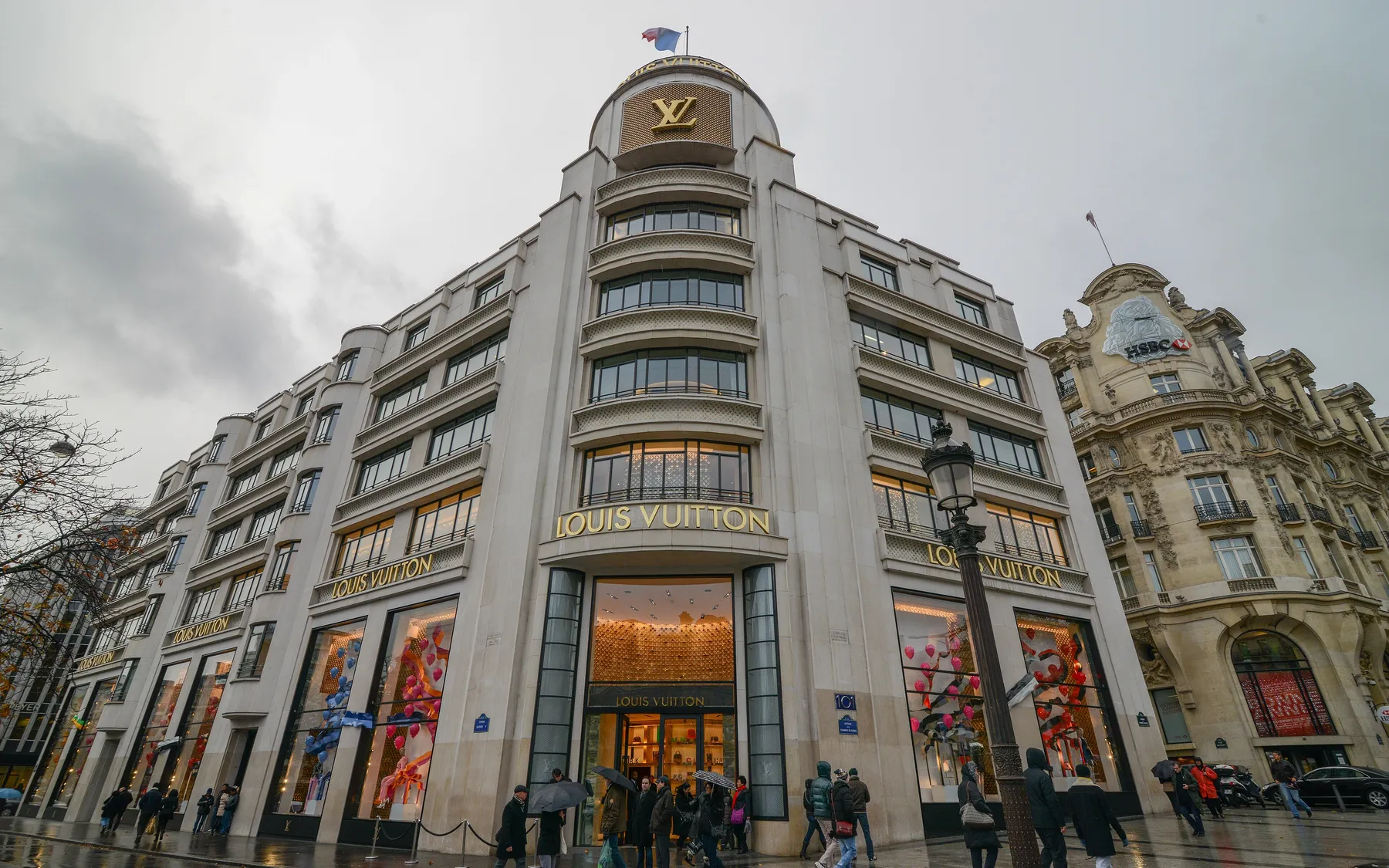
On 2 November, Inditex will pay the second half of its annual dividend: €0.875 a share. Amancio Ortega, who controls about 59 per cent of the Zara owner through his investment company Pontegadea, will receive roughly €1.6bn.
It will be his second such payment this year, taking the total to about €3.2bn, the largest dividend of his career.
Bernard Arnault’s year has been less restful. LVMH shares closed at €412.30 on 17 September, down almost 36 per cent since January and some 54 per cent below their April 2023 peak. His fortune has shrunk by about $65bn this year.
On Forbes’s September count, the founder of a fast-fashion chain now ranks tenth in the world, while the man who controls Louis Vuitton, Dior and Moët Hennessy has dropped out of the top ten. Bloomberg’s index has him outside it for the first time since 2017.
Losing the middle
Much of LVMH’s growth over the past decade came from shoppers who are comfortable rather than rich: people prepared to spend a month’s salary on a handbag. That business has turned. Bain estimates that about 60mn middle-class customers have left the luxury market.
Brands raised prices repeatedly after the pandemic, and many of those shoppers concluded that the logo was no longer worth it.
China has made matters worse. Sales of 25 leading luxury brands in China fell by more than 10 per cent in July, and Louis Vuitton’s by about 30 per cent, according to figures reported in Seoul. Chinese consumers are also turning to domestic labels, a trend known as guochao.
Nick Anderson of Berenberg says consumers now “look for lower-priced items like lipstick instead of expensive handbags”.
The companies that sell to the genuinely rich have fared better. Hermès and Brunello Cucinelli have held up; Richemont shares rose 28 per cent in six months. In mid-September LVMH’s market value, about €201bn, fell below L’Oréal’s, ending its long reign as France’s most valuable company.
That a maker of shampoo and lipstick has overtaken the maker of the Speedy bag is the lipstick effect expressed as a market capitalisation.
Collecting rent
Ortega’s money is made in a much duller way. Inditex sells a great many inexpensive clothes, pays out a large share of its profits, and Ortega has spent two decades putting those dividends into buildings.
Pontegadea owns more than 200 properties in 13 countries, valued at about $25bn, which Forbes says makes Ortega the world’s richest real-estate owner. The tenants include Amazon, Google, Meta, Nike and Spotify.
His latest London purchase, disclosed in August, was a Baker Street block of about 15 flats, bought in February for €175mn and let at between £7,275 and £9,850 a month. At roughly €8.8mn a day, this year’s Inditex dividend would pay for a building like that about every three weeks.
Earlier purchases in London include the Post Building on Oxford Street and the Adelphi. Putting the dividends into property also has a tax logic in Spain, where it helps Ortega manage his exposure to the country’s wealth tax.
Rich lists rank people by the market value of what they own and say nothing about how that value might hold up. Almost all of Arnault’s wealth is in LVMH, and LVMH’s share price depends on shoppers in Shanghai and Seoul feeling flush.
More and more of Ortega’s sits in office blocks, flats, warehouses and energy networks with tenants on long leases.
Arnault, 77, still has about $143bn, and luxury has recovered from slumps before. For now, though, Europe’s richest fashion billionaire is the man who sells clothes to people who can’t afford Louis Vuitton, and increasingly rents them their offices.
Sources
- Seoul Economic Daily: LVMH sheds half its value in three years (19 Sep 2026)
- Cosmetics Business: Arnault falls out of the world’s top 10
- Forbes: the top 10 richest people in the world (September 2026)
- Inditex raises dividend to €1.75; Ortega set for €3.2bn payout
- Forbes: Ortega is now the world’s richest real-estate baron
- The Olive Press: Ortega buys a Baker Street apartment building
Cover image: Jorge Láscar, Wikimedia Commons, CC BY 2.0. Cropped.

More from OutBragger
View all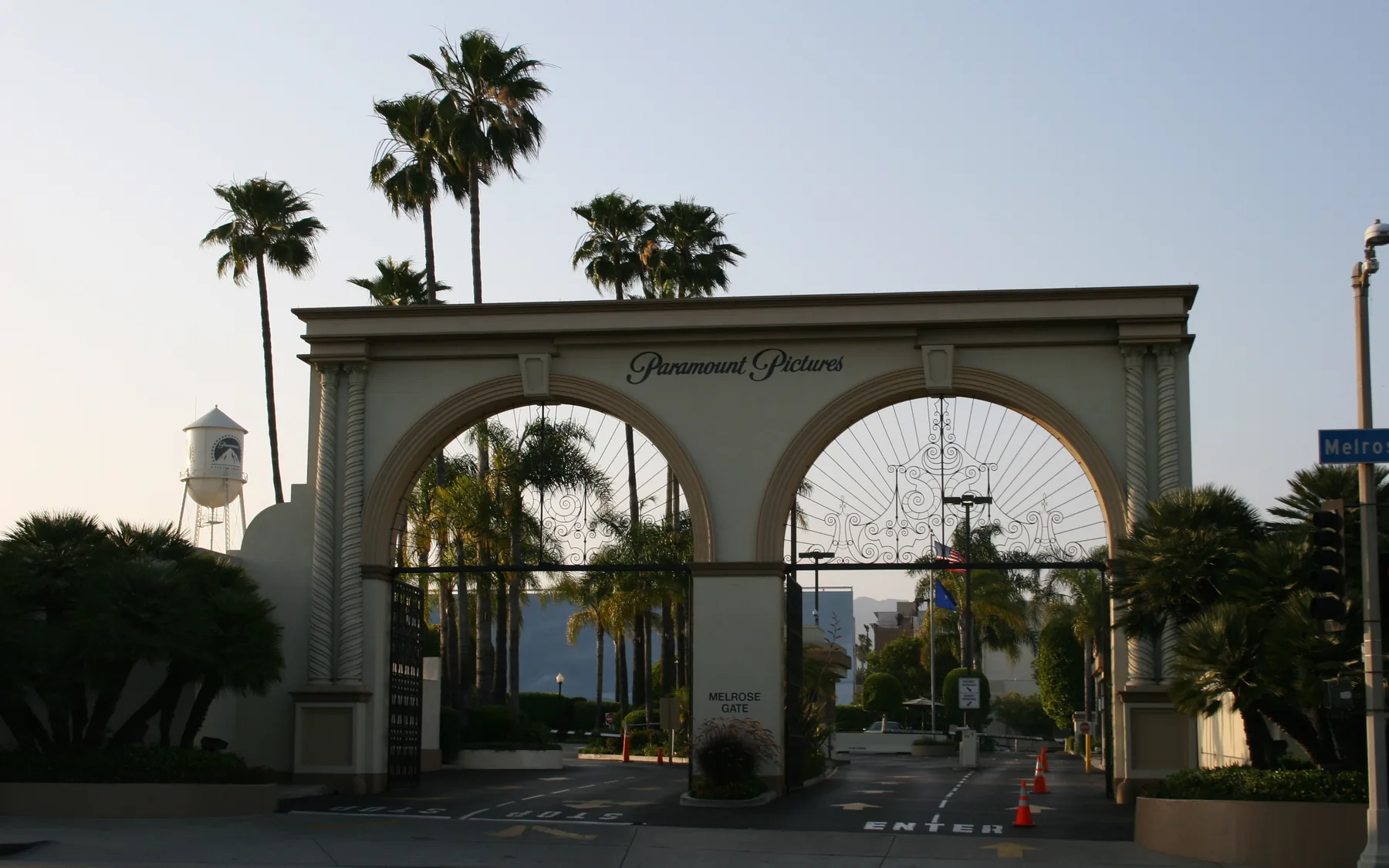 OB / 01
Paramount’s new owners inherited a $400mn tax argument from Viacom
The IRS has proposed up to $400mn in extra tax on Viacom’s returns for 2017 to 2019. Paramount Skydance says it disagrees and will book any change in its third-quarter results.
 OB / 02
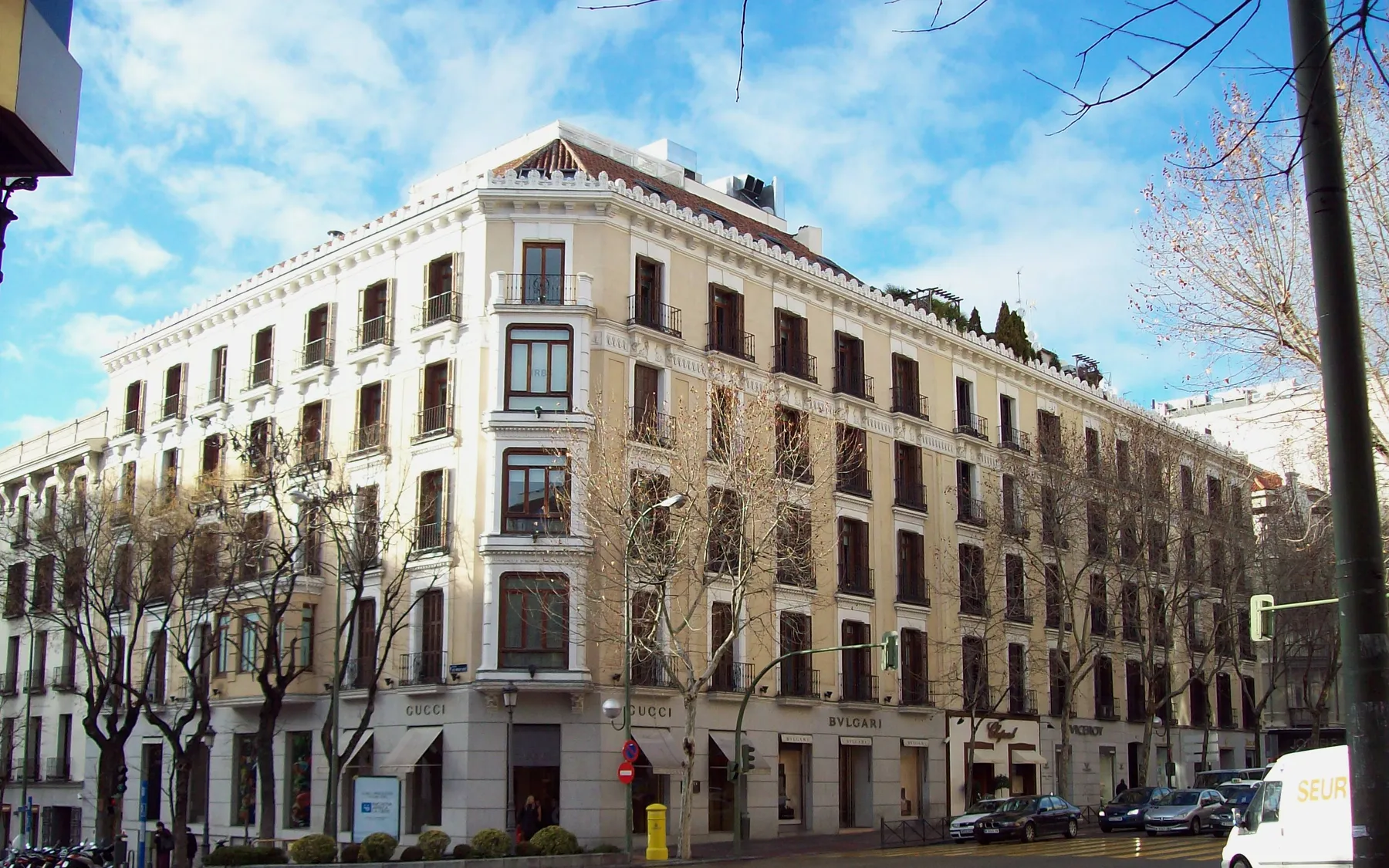
Madrid scrapped its wealth tax. Its millionaires paid it €643mn anyway
Spain’s wealth tax raised a record €2.15bn in 2024, and the number of people declaring more than €30mn has doubled since 2013. The region famous for not charging it has become one of its biggest collectors.
 OB / 03
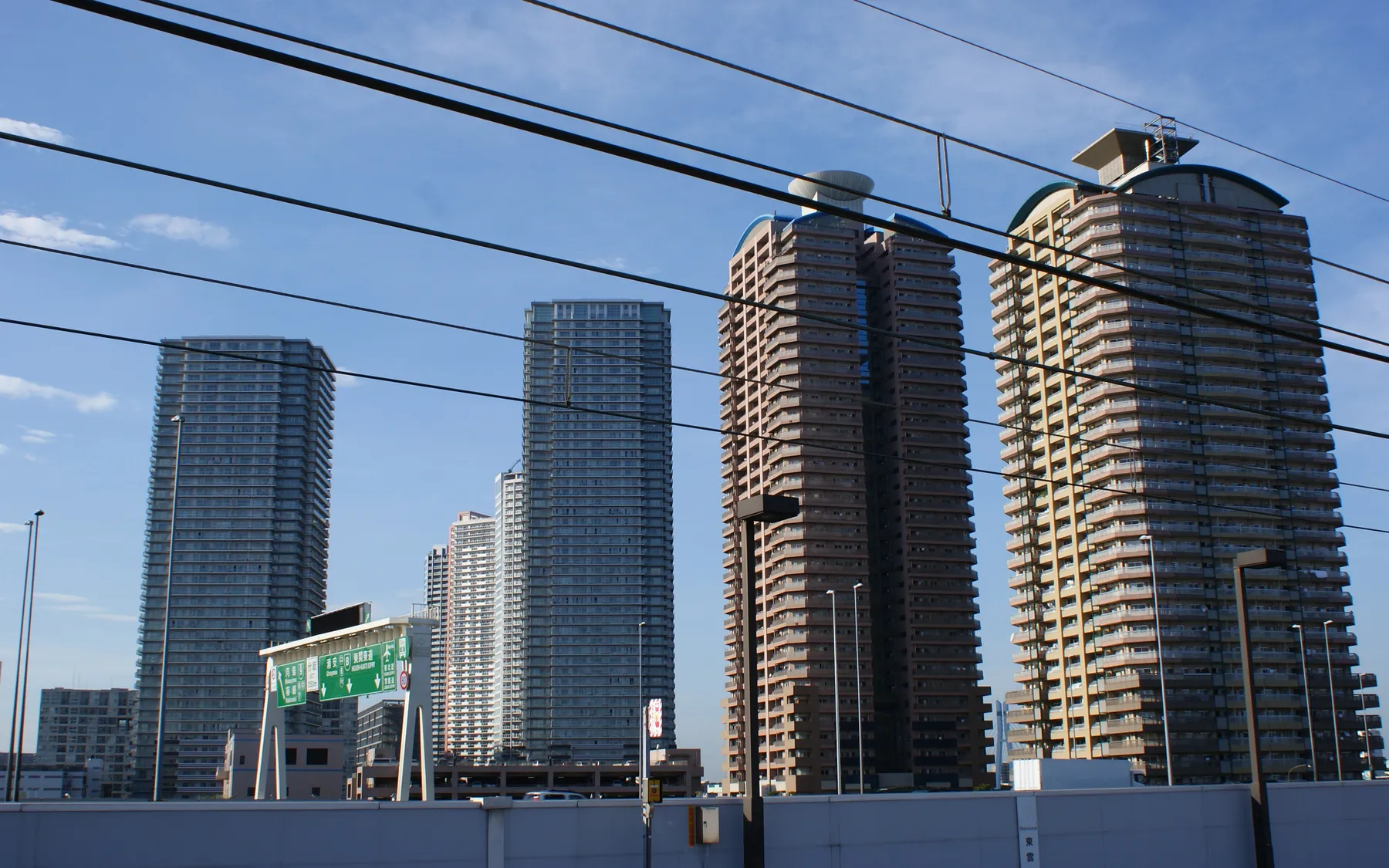
Tokyo’s ¥100mn flat has become ordinary. Look at the builders before the foreigners
New flats now average more than ¥100mn in 19 of Tokyo’s 23 wards. The buyers are mostly Japanese, and the cause is a building industry that can no longer build very much.
Discussion
Join this article’s en edition thread. Replies in other language editions stay separate.