Tokyo’s ¥100mn flat has become ordinary. Look at the builders before the foreigners
New flats now average more than ¥100mn in 19 of Tokyo’s 23 wards. The buyers are mostly Japanese, and the cause is a building industry that can no longer build very much.
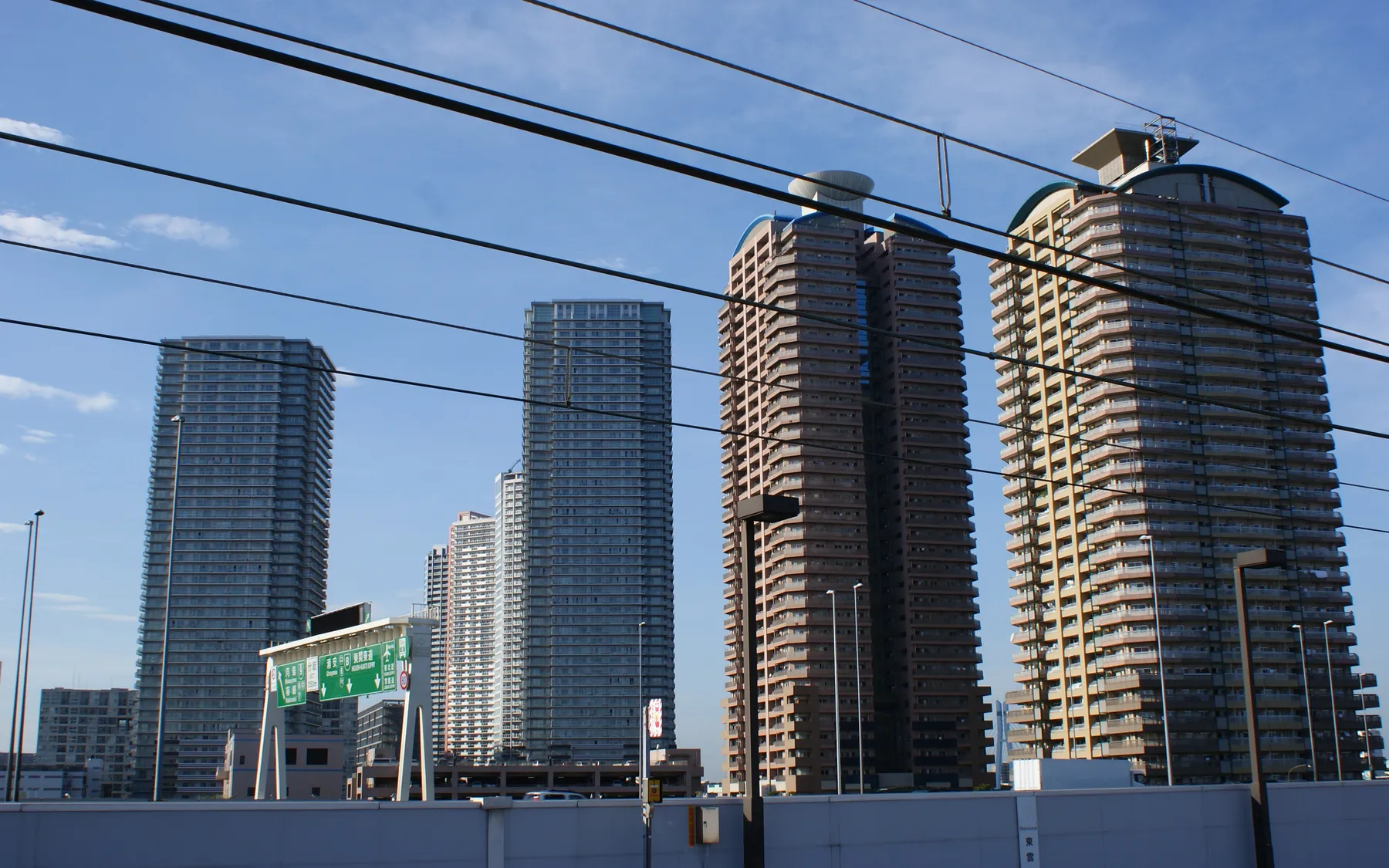
The okushon, the “hundred-million-yen mansion”, used to be a punchline about the bubble years. In Tokyo it is now simply what a new flat costs.
According to the property portal LIFULL HOME’S, new flats listed in the first five months of 2026 averaged more than ¥100mn in 19 of the city’s 23 wards. Sumida, Arakawa, Itabashi and Adachi, long the affordable east and north of the city, crossed the line for the first time.
Chiyoda, home to the Imperial Palace and the ministries, averaged ¥351.5mn. Six more wards averaged above ¥200mn. The cheapest, Taito, still came in at ¥68mn.
Higher than the bubble
The official series tells the same story more slowly. The Real Estate Economic Institute puts the average new flat in the 23 wards at ¥136.13mn in 2025, up 21.8 per cent in a year and the third year running above ¥100mn. In the six central wards the figure was ¥195mn.
By the Tokyo Shimbun’s reckoning, prices have now passed the peak of the late-1980s bubble, which for a generation of Japanese buyers was the definition of madness.
Renters are not escaping either. Family-sized flats in the 23 wards were advertised at an average ¥255,765 a month in February, the 19th consecutive monthly rise, according to figures reported by the Tokyo Shimbun.
Less foreign than it looks
The easy explanation is foreign money, and it is popular. The weak yen has made Tokyo look cheap in dollars, and foreign buyers get most of the attention.
The numbers are more modest than the talk. Land ministry figures cited by the Tokyo Shimbun put foreign residents at 3.5 per cent of new-flat purchases in 2025. Shares are higher in the most central wards, and estimates vary with how a buyer is counted.
When the newspaper examined 222 flats in 23 buildings, it found Japanese companies and business owners “more prominent” than foreigners.
The typical buyer is a pawā kappuru, a “power couple” with two professional salaries, or an investor. Both are domestic.
A shortage of builders
The real driver is supply. In 2000 developers delivered 35,318 new flats in the 23 wards. In 2025 they delivered 8,064.
Across greater Tokyo, supply fell to 21,962 units, the lowest since records began in 1973.
LIFULL’s analyst points to the weak yen, which has raised the cost of imported materials, and to a shortage of construction workers that has pushed up wages. Land in central Tokyo has become hard to assemble at any price.
Developers have responded rationally. With costs up and land scarce, they build fewer flats and aim them at the buyers who can pay most. Units priced above ¥100mn rose to 5,669 in greater Tokyo last year.
For the couple on two salaries, a ¥100mn flat with a 35-year mortgage at Japanese interest rates remains possible. For almost everyone else, the okushon has gone from joke to wall.
Sources
- LIFULL: ¥100mn-plus average spreads to 19 of Tokyo’s 23 wards (2026)
- nippon.com: 23-ward average ¥136.13mn, Real Estate Economic Institute
- Tokyo Shimbun: who is buying Tokyo’s hundred-million-yen flats
- Nikkei: capital-region new flat prices at a record
Cover image: yano (Panoramio), Wikimedia Commons, CC BY-SA 3.0. Cropped.

More from OutBragger
View all OB / 01
Paramount’s new owners inherited a $400mn tax argument from Viacom
The IRS has proposed up to $400mn in extra tax on Viacom’s returns for 2017 to 2019. Paramount Skydance says it disagrees and will book any change in its third-quarter results.
 OB / 02
Madrid scrapped its wealth tax. Its millionaires paid it €643mn anyway
Spain’s wealth tax raised a record €2.15bn in 2024, and the number of people declaring more than €30mn has doubled since 2013. The region famous for not charging it has become one of its biggest collectors.
 OB / 03
Mexico’s loudest tax rebel now pays the SAT every month
Eight months after settling with Mexico’s tax authority, Ricardo Salinas Pliego has not missed an instalment. About 18bn pesos is still to come, and the president now cites him approvingly.
Discussion
Join this article’s en edition thread. Replies in other language editions stay separate.