How SpaceX got into your pension with 5% of its shares
SpaceX floated only about 5 per cent of its stock. Rewritten index rules put it in millions of retirement accounts within a month. The next test comes in December.
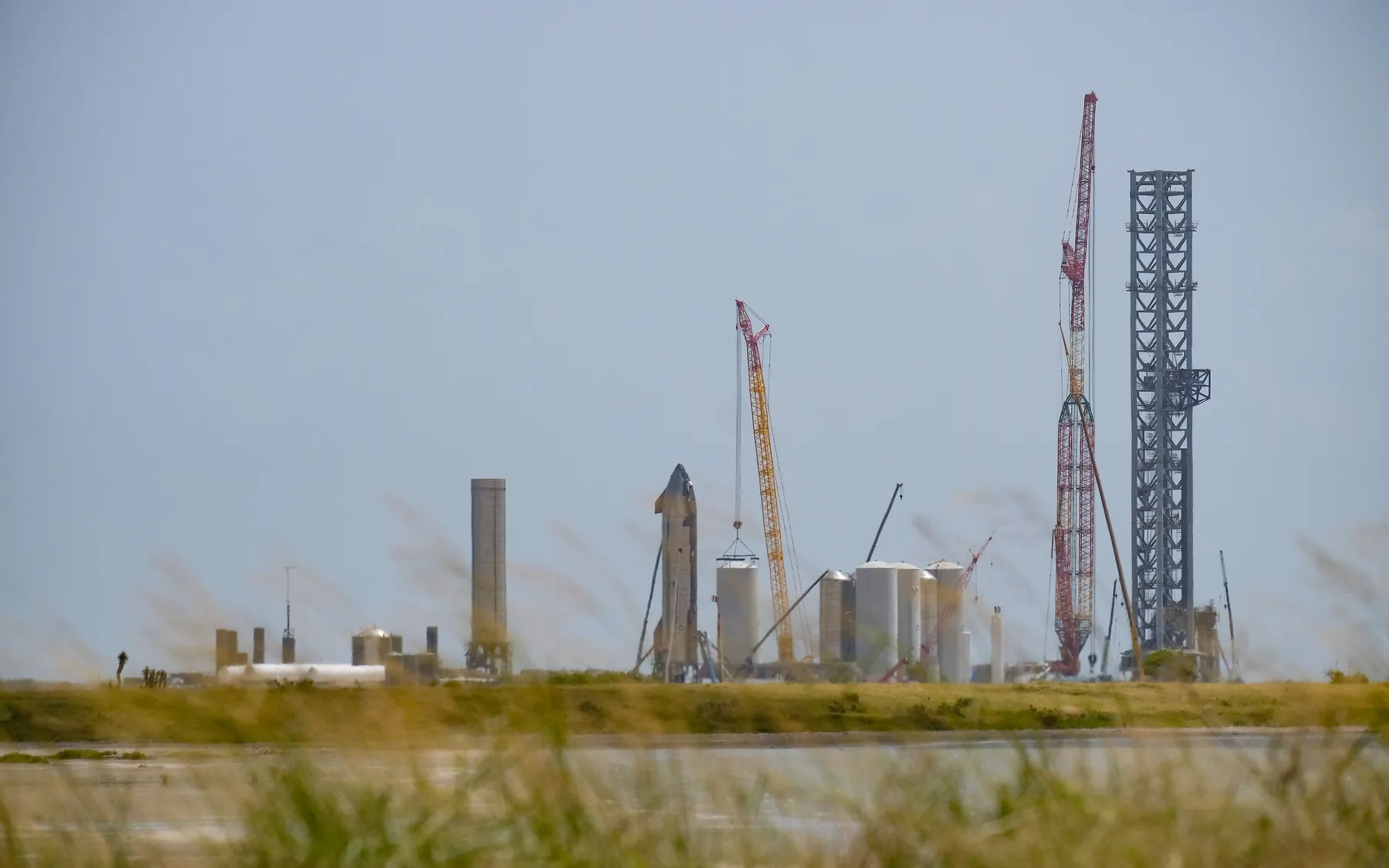
The largest stock market listing in history was, by one measure, also one of the smallest. When SpaceX began trading on Nasdaq on 12 June under the ticker SPCX, it sold only about 5 per cent of its shares to the public. At most large US companies the figure is above 90 per cent.
That was still enough stock to set a price, and the price was spectacular. Shares issued at $135 closed their first day at about $161, valuing the company at roughly $2.1tn. For a few weeks Elon Musk, who owns about 42 per cent of the shares and far more of the votes, was widely described as the world’s first trillionaire.
By 29 July, after the shares had fallen by around half from their peak, he was describing himself as a “former trillionaire”. On Forbes’s September count he is worth about $900bn, which in most contexts would still be considered a comfortable position.
Less attention has been paid to how quickly a company with so few shares available to trade ended up in ordinary people’s retirement savings.
New rules
In the months before the listing, Nasdaq revised the methodology of the Nasdaq-100, the index tracked by the huge Invesco QQQ fund and countless pension products. From 1 May, a large new listing could join after just 15 trading days rather than waiting for the usual seasoning period.
The minimum float requirement was dropped. And low-float companies would receive a weighting multiplier, so that a 4.3 per cent float could be treated as a 12.9 per cent float for index purposes.
SpaceX joined the Nasdaq-100 before the open on 7 July. Estimates of the automatic buying that followed across Nasdaq and Russell-linked funds ranged from $22bn to $27bn, of which QQQ alone accounted for about $4.3bn.
Its weighting more than doubled at the September rebalance. The S&P 500, whose rules require a record of profitability, has so far kept SpaceX out: the company lost $4.94bn in 2025 and $541mn in its most recent quarter, on revenue of $7.81bn.
“The greatest degree of manufactured scarcity we’ve ever seen in an IPO.” — Scott Galloway, New York University
Nasdaq’s case is straightforward: an index that leaves out one of the most valuable companies in the country does a poor job of representing the market. Galloway and others counter that passive funds are meant to follow prices set by active investors.
With so few shares on offer, the index funds were a large part of the buying, so they were helping to set the price as well.
Unlocking
The float will not stay this small. The prospectus set out a staggered release of shares held by pre-IPO investors and employees. After second-quarter results in early August, up to 911.5mn shares became eligible for sale.
Further releases follow through the autumn, and the main 180-day lock-up for pre-IPO holders ends around 8–9 December. Musk and other insiders are bound for 366 days, until June 2027.
Each release is small next to SpaceX’s total share count but large next to the number of shares that actually trade. In December, the funds that bought in July will be joined in the market by thousands of employees and early investors who are free to sell for the first time.
Around 4,400 employees became millionaires on paper at the listing, according to reports at the time. Some of them would presumably like to become millionaires in cash.
So far the market has coped. The shares rose about 6 per cent on the day the August release took effect, and in the third week of September were trading at around $150, above the offer price but well below the post-listing peak of about $211. December’s unlock is much larger.
In the pension
For now the amounts are small. A Vanguard official said at the time of listing that a typical $50,000 index-linked retirement account would hold only about $57 of SpaceX. That will rise automatically as the float grows and the index weight follows, whatever the saver thinks of reusable rockets or of xAI, the artificial intelligence business folded into SpaceX before the listing.
Whichever very large private company lists next will have studied all of this closely, starting with Nasdaq’s rulebook.
Sources
- Wikipedia: Initial public offering of SpaceX
- 24/7 Wall St: SpaceX added to Nasdaq-100 (9 Jul 2026)
- 24/7 Wall St: Index funds are being forced to buy SpaceX (22 Sep 2026)
- CNN: SpaceX rises 6% after more than 900 million shares are unlocked
- Fox Business: SpaceX IPO turning workers into millionaires
- Forbes: the top 10 richest people in the world (September 2026)
Cover image: Lars Plougmann, Wikimedia Commons, CC BY-SA 2.0. Cropped.

More from OutBragger
View all OB / 01
In Hangzhou, the AI billionaire bought into the robot billionaire’s IPO
When Unitree Robotics listed in August, one of its strategic investors was the company behind DeepSeek. Hangzhou’s new fortunes are starting to feed each other.
 OB / 02
Paramount’s new owners inherited a $400mn tax argument from Viacom
The IRS has proposed up to $400mn in extra tax on Viacom’s returns for 2017 to 2019. Paramount Skydance says it disagrees and will book any change in its third-quarter results.
 OB / 03
Madrid scrapped its wealth tax. Its millionaires paid it €643mn anyway
Spain’s wealth tax raised a record €2.15bn in 2024, and the number of people declaring more than €30mn has doubled since 2013. The region famous for not charging it has become one of its biggest collectors.
Discussion
Join this article’s en edition thread. Replies in other language editions stay separate.