In Hangzhou, the AI billionaire bought into the robot billionaire’s IPO
When Unitree Robotics listed in August, one of its strategic investors was the company behind DeepSeek. Hangzhou’s new fortunes are starting to feed each other.
When Unitree Robotics sold shares to the public in Shanghai in August, the offering documents listed its strategic investors. One of them was Hangzhou DeepSeek Artificial Intelligence Basic Technology Research, the company behind the DeepSeek models. It was allocated 933,399 shares, about 2.3 per cent of the offering.
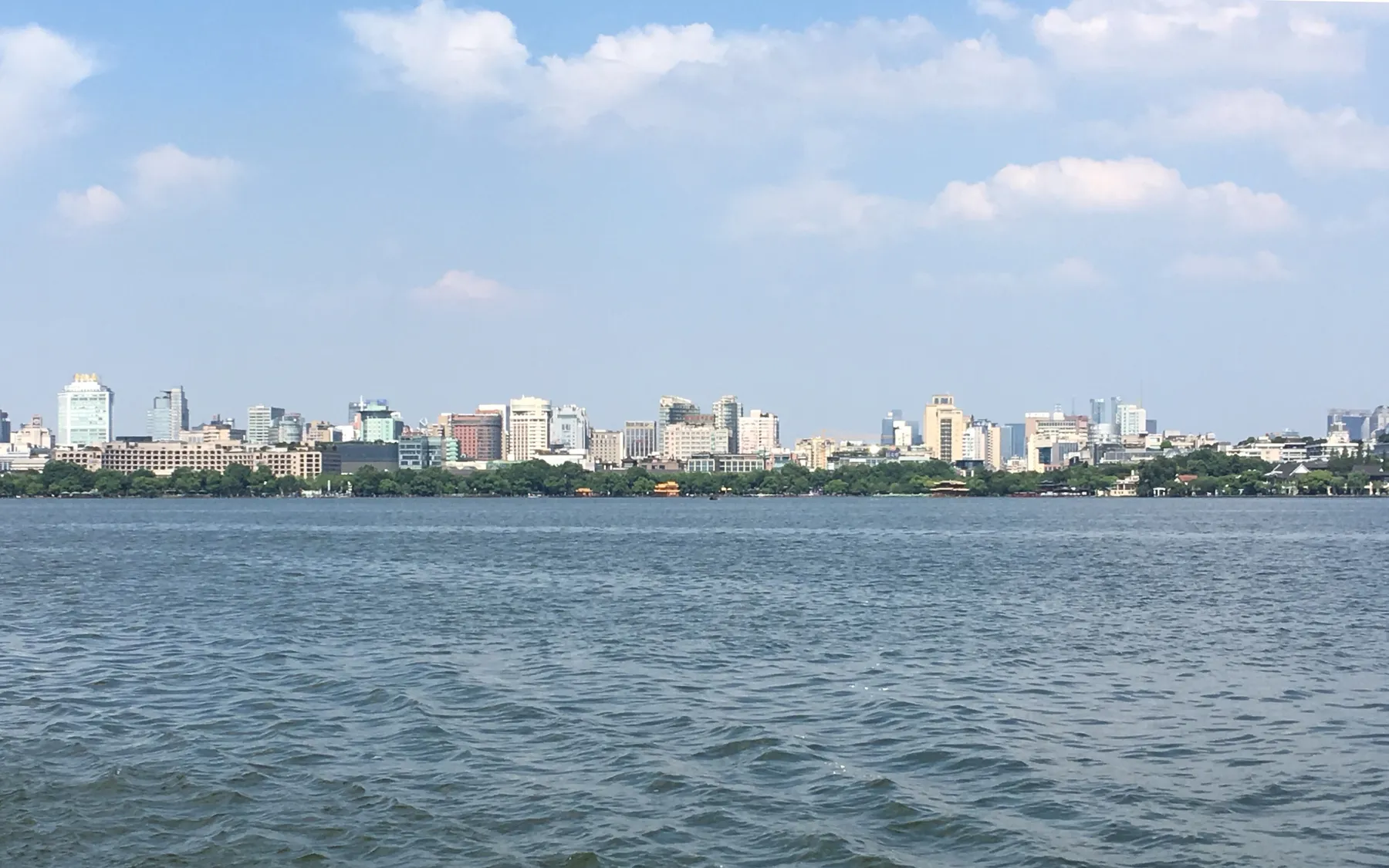
It was a small line in a large prospectus. It also captured something about the city where both companies are based. Hangzhou’s technology fortunes are increasingly being made, and invested, in each other.
A 629 per cent morning
Unitree priced its shares at ¥150.80, valuing the maker of humanoid and four-legged robots at about ¥61bn. On 19 August they opened at ¥1,100, a gain of 629 per cent, and the company’s market value briefly passed ¥440bn.
Wang Xingxing, Unitree’s 36-year-old founder, directly owns about 21 per cent of the company and more through its employee platform. At the opening price his stake was worth about ¥133bn, roughly $16bn, making him the richest Chinese entrepreneur born after 1990.
Among Unitree’s larger shareholders is Shunwei Capital, the fund co-founded by Xiaomi’s Lei Jun. Shunwei was the only investor in Unitree’s Series A round, years before humanoid robots were fashionable, and it sat among the top five holders at listing.
The quiet one
The DeepSeek line points to Hangzhou’s other new fortune. Liang Wenfeng founded the quantitative hedge fund High-Flyer before starting DeepSeek in 2023. He has given almost no interviews and rarely appears in public.
According to Chinese financial press reports of Bloomberg’s index, he is worth about $36bn, more than any other founder of an AI company. DeepSeek raised money in June at a valuation of about $50bn, but Liang was himself the largest investor in the round, putting in about $3bn.
He kept roughly 78 per cent of the company.
The six little dragons
Chinese media call Hangzhou’s cluster of young technology companies the “six little dragons”: DeepSeek; Unitree; Game Science, maker of the video game Black Myth: Wukong; the brain-computer-interface company BrainCo; Deep Robotics; and the design-software group Manycore.
Two of the six now have founders among China’s richest people. Unitree’s listing also minted a set of smaller fortunes: early employees who were given options priced at one yuan apiece in 2017 now hold stakes worth tens or hundreds of millions of yuan, though most are locked for three years.
The loop matters because it keeps capital local. Money made from one Hangzhou company is being put into the next, by people who know the founders and the city. That is how Silicon Valley grew in the 1970s and 1980s, when the proceeds of one successful chip company funded the next.
Hangzhou has a long way to go before that comparison is anything more than flattering. But in one week in August, its AI billionaire became a shareholder in its robot billionaire’s company, and the rest of the country noticed.
Sources
- Guancha: Unitree lists, Wang Xingxing worth over ¥100bn, Liang Wenfeng and Lei Jun profit (19 Aug 2026)
- Huxiu: Unitree jumps 629% on its first day
- The Standard: Wang Xingxing tops post-90s rich list with ¥133.5bn stake
- Sina Finance: Liang Wenfeng becomes the richest AI founder (15 Jul 2026)
- Caixin Global: Unitree prices Shanghai IPO at ¥61bn valuation
- TechFlow: Unitree’s ¥1-a-share employee shareholders
Cover image: Bjoertvedt, Wikimedia Commons, CC BY-SA 4.0. Cropped.

More from OutBragger
View all OB / 01
Paramount’s new owners inherited a $400mn tax argument from Viacom
The IRS has proposed up to $400mn in extra tax on Viacom’s returns for 2017 to 2019. Paramount Skydance says it disagrees and will book any change in its third-quarter results.
 OB / 02
Madrid scrapped its wealth tax. Its millionaires paid it €643mn anyway
Spain’s wealth tax raised a record €2.15bn in 2024, and the number of people declaring more than €30mn has doubled since 2013. The region famous for not charging it has become one of its biggest collectors.
 OB / 03
The tax on a €10,000 hotel night: €24 in Barcelona, €3,350 in Amsterdam
Cities have raised tourist taxes to fight overcrowding. But most charge a flat fee per guest, which the richest visitors barely notice. Amsterdam, New York and now Edinburgh tax the room price instead.
Discussion
Join this article’s en edition thread. Replies in other language editions stay separate.