Scotland is switching off stills. Sotheby’s is selling a £2mn bottle
Distillers are cutting output as 1.4bn litres of Scotch sit maturing. On 9 October Sotheby’s holds its first sale at a distillery, led by a bottle of Macallan 1926.
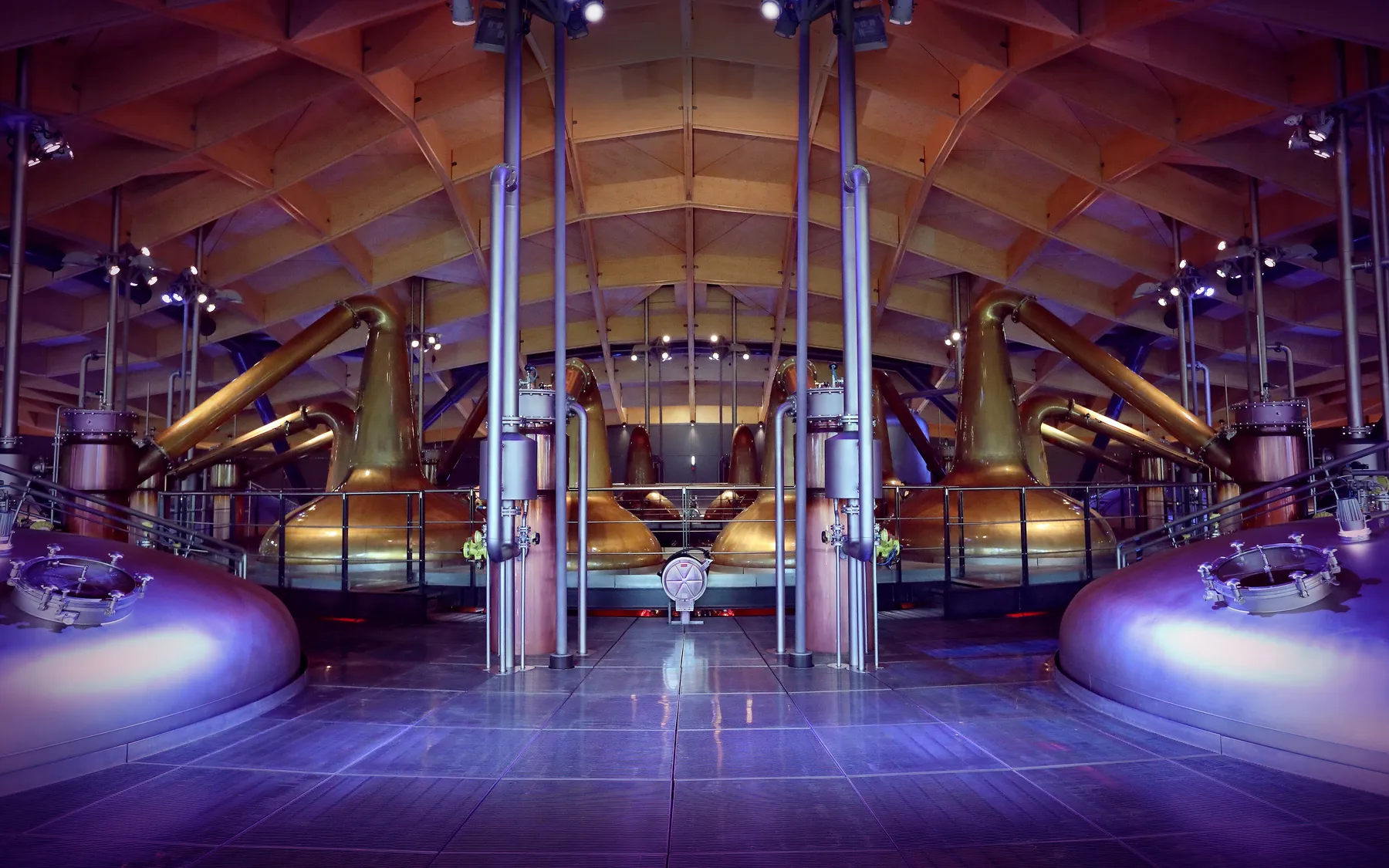
On 9 October Sotheby’s will hold an auction in a distillery for the first time. The venue is the Macallan estate in Speyside, and the lead lot is a bottle of Macallan 1926, one of 40 filled in 1986 from sherry cask number 263 after six decades in wood.
It carries an estimate of £1.7mn to £2.2mn. The last time a bottle from that cask came up, in London in 2023, it made £2.2mn ($2.7mn), still the record for any whisky.
A few miles away the mood is rather different. Scotland’s distillers are cutting production, and one of the companies doing so is LVMH, whose portfolio runs from Dom Pérignon to Glenmorangie.
In July Ian Macleod Distillers, which owns Glengoyne and Rosebank, said it would reduce output at both by 30 per cent, citing a “lower forward demand outlook”. Its turnover fell 9 per cent and profit after tax more than halved.
LVMH has temporarily stopped distilling at Glenmorangie. Diageo paused Teaninich in the Highlands last September, along with two of its American whiskey sites, and halted work at a maltings. The Isle of Harris distillery announced job cuts in the spring. The Scotch Whisky Association has warned that some closures may become permanent.
Three years in the warehouse
The problem is arithmetic. Whisky has to sit in a cask for at least three years before it can legally be called Scotch, and most single malt stays far longer, so distillers decide how much to make on the basis of what they expect to sell a decade later.
During the boom they expected to sell a great deal. Production peaked in 2022, new distilleries opened at a rate not seen in a century, and Scotland now has 154 of them.
Something like 1.4bn litres is maturing in Scottish warehouses, in around 22mn casks, or about three years of global consumption. Demand, meanwhile, has flattened. Exports were worth £5.4bn in 2025, down 1 per cent, and single malt exports fell 6 per cent to £1.6bn.
A 10 per cent US tariff, imposed in April 2025 and lifted only in May this year, cut shipments to America by 15 per cent by volume. Exports to China fell by almost a third in 2024. At home, spirits duty rose 17 per cent in three years.
There is one bright spot: India, which overtook every other market by volume last year after its tariff on Scotch was halved from 150 per cent to 75 per cent. But Indian drinkers mostly buy blends at modest prices, not 25-year-old single malts.
Cask investors take the hit
Among those most exposed are the private investors who bought casks during the pandemic, often through firms promising steady double-digit returns. Prices for young casks peaked between 2022 and 2024. Brokers now describe a market where new-make whisky can be had for about £1,800 a barrel and five-year-old hogsheads for about £3,000, and where casks from distilleries that were once almost impossible to buy privately are appearing for sale.
Mark Littler, a broker, attributes much of the fall to sellers under pressure rather than a collapse in drinking.
“Whisky investment” was always two different things wearing the same tartan. One is the trade in very old, very rare bottles, where supply is fixed and the buyers are wealthy collectors. The other is the trade in young, freshly filled casks, where supply is whatever distillers chose to make in a boom year.
The 9 October sale belongs to the first. Most cask owners own the second.
The production cuts may eventually help them. Whisky distilled less in 2026 will be scarcer in 2036, and the industry has been here before: distilleries including Port Ellen and Brora closed in 1983 after an earlier glut, and bottles from them now sell at auction for thousands of pounds.
That is a long time to wait, though, and it assumes the people who buy whisky in ten years’ time still want the same things.
For Jonny Fowle, Sotheby’s global head of whisky and spirits, next month’s sale is “a landmark moment for the world of whisky collecting”. That is probably right. It just isn’t the whole of the whisky market.
Sources
- Mark Littler: Macallan 1926 leads first-ever auction at the Macallan estate
- Mark Littler: why whisky cask prices have fallen
- 12x75: Scotland made too much whisky
- The Whiskey Wash: Diageo’s distillery shutdowns
- Mark Littler: 2026, the year to sell or buy whisky casks?
Cover image: Charlie Marshall, Wikimedia Commons, CC BY 2.0. Cropped.

More from OutBragger
View all OB / 01
Paramount’s new owners inherited a $400mn tax argument from Viacom
The IRS has proposed up to $400mn in extra tax on Viacom’s returns for 2017 to 2019. Paramount Skydance says it disagrees and will book any change in its third-quarter results.
 OB / 02
Madrid scrapped its wealth tax. Its millionaires paid it €643mn anyway
Spain’s wealth tax raised a record €2.15bn in 2024, and the number of people declaring more than €30mn has doubled since 2013. The region famous for not charging it has become one of its biggest collectors.
 OB / 03
The tax on a €10,000 hotel night: €24 in Barcelona, €3,350 in Amsterdam
Cities have raised tourist taxes to fight overcrowding. But most charge a flat fee per guest, which the richest visitors barely notice. Amsterdam, New York and now Edinburgh tax the room price instead.
Discussion
Join this article’s en edition thread. Replies in other language editions stay separate.