The superyacht market has split at 40 metres
Sales of big yachts are rising in value while more than 2,000 smaller ones sit unsold and the price cuts pile up. What the numbers say about who is still spending.
The superyacht market produced two headlines this summer that appear to contradict each other. One: the value of pre-owned yachts sold in the first half of 2026 rose 15 per cent, to $3.51bn. Two: the number sold fell 8 per cent, while the number of price cuts rose.
Both are true. Broadly, boats over 40 metres are selling well and those under it are not.
At the top, a seller’s market
According to the broker Northrop & Johnson’s mid-year report, 326 pre-owned yachts changed hands in the first half, at an average of about $10.8mn each, 25 per cent more than a year earlier. The largest single sale was MOONRISE, a Feadship of almost 100 metres, which sold for $376.77mn after 159 days on the market.
“When anything large over 60m and recently built becomes available, it is snapped up within weeks,” Simon Goldsworthy of IYC told Superyacht Investor. The 40–60m segment, according to broker AJ Blackmon, is in “a controlled boom phase”.
New construction points in the same direction. Some 936 yachts are under construction worldwide, and although new-build sales fell overall, from 177 to 142 in the first half, the 30–40m segment grew 18 per cent. Italy dominates, with 519 yachts in build across 41 shipyards.
Lower down, a buyer’s market
Below the top tier the picture is quite different. On 1 July there were 2,157 pre-owned yachts for sale, representing 17 per cent of the world fleet, with a combined asking value of $18.8bn. Listings recorded 1,117 price reductions in the first half, up about 6 per cent.
Yachts aged 25 to 29 years spend the longest on the market and receive the deepest cuts. In the €5mn–€15mn bracket, brokers say, there are simply more boats than buyers.
Boat International’s monthly list of the largest price reductions shows how it works in practice. In August, a two-year-old 35m Pershing was reduced by €1.5mn and a three-year-old 44m Canados by almost €1.9mn.
These are nearly new boats, presumably bought close to the post-pandemic peak, and their owners are finding out what the second-hand market will pay.
Why the split?
Buyers of the largest yachts are billionaires whose wealth, in aggregate, has risen strongly with equity markets; they are not particularly sensitive to interest rates or running costs. Buyers of 30m yachts are more often the merely wealthy, for whom a crew, a berth in the Mediterranean and a yard period together represent a real annual expense.
They were also the buyers who crowded into the market in 2021 and 2022.
There is also a supply effect. A steady flow of new-build deliveries has pushed older yachts into the brokerage market as owners trade up, and the price gap between a new yacht and a used one has widened.
Charter demand remains solid, with charter starts in the first half up 36 per cent. For owners of mid-sized boats, chartering has become a way to cover costs while waiting for a buyer.
For buyers, the best deals are now in the size range that was hardest to find three years ago. A 35m motor yacht a few years old is a negotiation. A 90m Feadship is still a queue.
Sources
- Northrop & Johnson: Q2 2026 superyacht market report
- Boat International: the biggest superyacht price drops of August 2026
- Superyacht Investor: hot or not, market forecasts in 2026
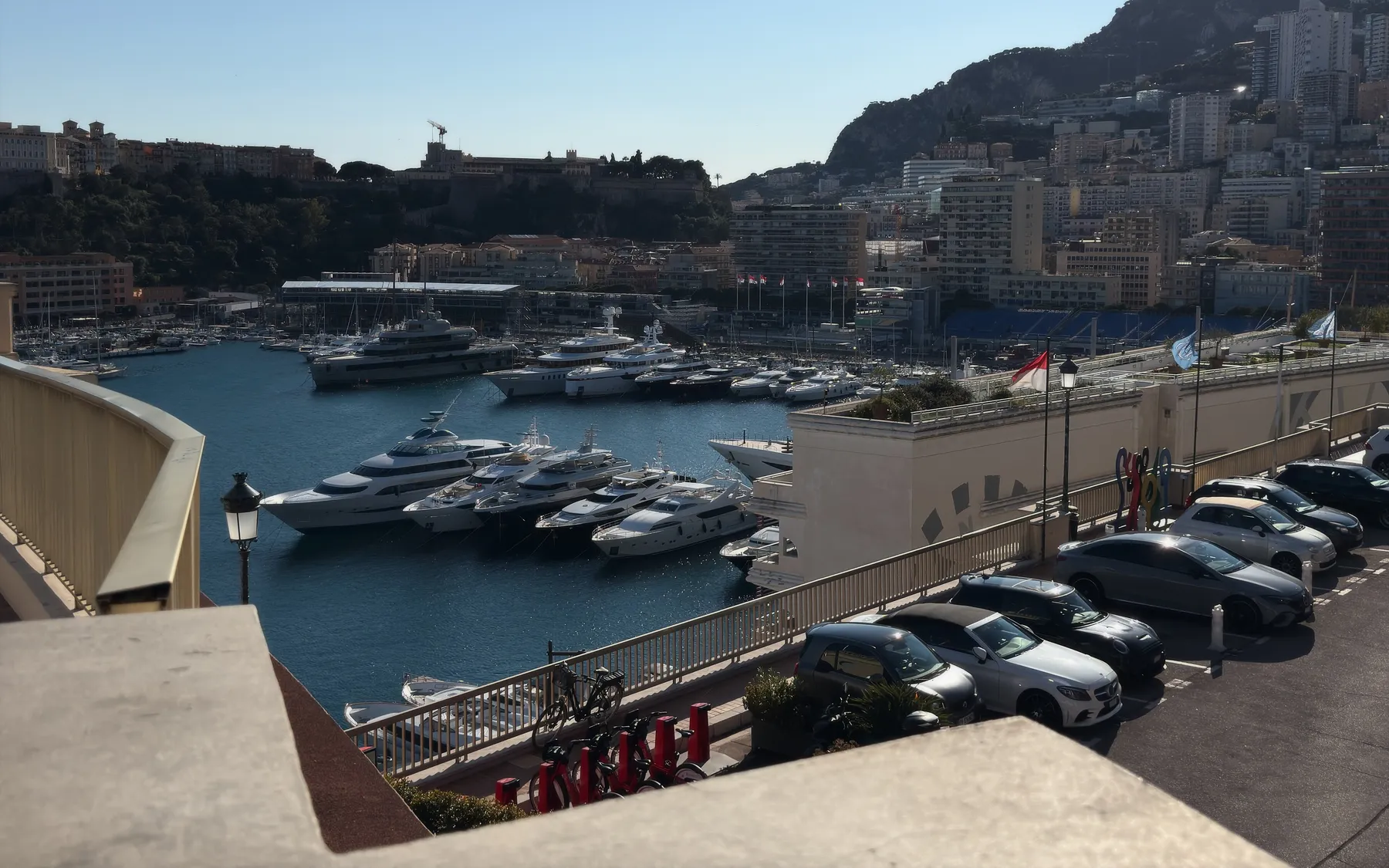
Cover image: Mike is Michi, Wikimedia Commons, CC BY-SA 4.0. Cropped.

More from OutBragger
View all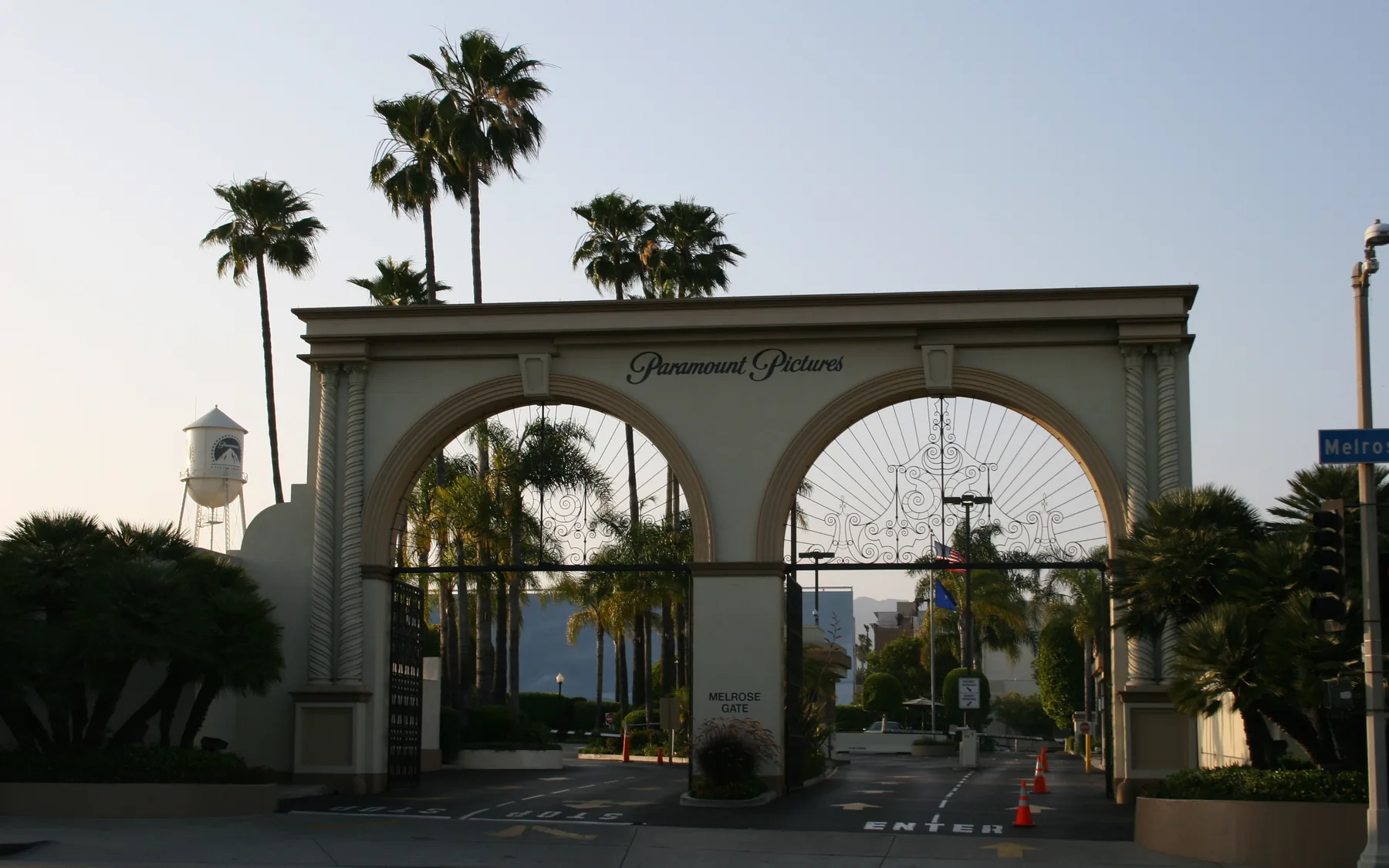 OB / 01
Paramount’s new owners inherited a $400mn tax argument from Viacom
The IRS has proposed up to $400mn in extra tax on Viacom’s returns for 2017 to 2019. Paramount Skydance says it disagrees and will book any change in its third-quarter results.
 OB / 02
Madrid scrapped its wealth tax. Its millionaires paid it €643mn anyway
Spain’s wealth tax raised a record €2.15bn in 2024, and the number of people declaring more than €30mn has doubled since 2013. The region famous for not charging it has become one of its biggest collectors.
 OB / 03
The tax on a €10,000 hotel night: €24 in Barcelona, €3,350 in Amsterdam
Cities have raised tourist taxes to fight overcrowding. But most charge a flat fee per guest, which the richest visitors barely notice. Amsterdam, New York and now Edinburgh tax the room price instead.
Discussion
Join this article’s en edition thread. Replies in other language editions stay separate.