Dubai to Milan: the exodus the price data can’t find
After Iranian strikes in March, the rich were said to be swapping Dubai for Milan. Six months on, Dubai’s top end is busy and Milan’s flat tax costs €300,000 a year.
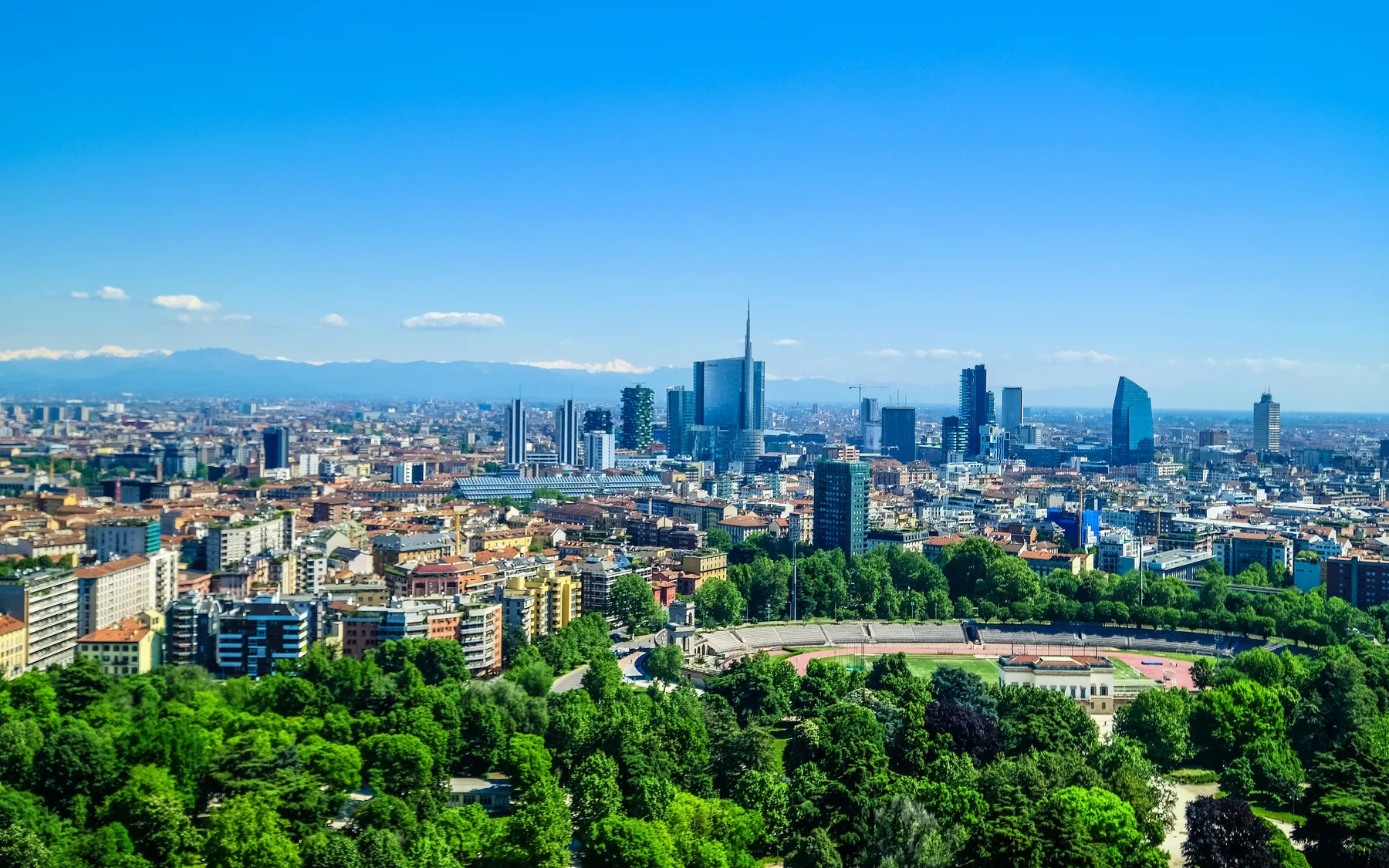
In the first days of March, as Iranian drones and missiles struck the United Arab Emirates, private jet brokers in Dubai reported something they had not seen before: residents paying hundreds of thousands of dollars simply to leave. A strike set fire to the Fairmont hotel on Palm Jumeirah.
More than 800 drones and 200 missiles were launched at the country in the space of a few days, and three people were killed. For a city whose business model rests on being the safe, low-tax place in a volatile region, it was about the worst advertisement imaginable.
By the spring, the story had a sequel. Milan, estate agents and wealth advisers said, was the new Dubai. Wealthy families leaving the Gulf were said to be asking about Italy’s flat tax for new residents, which lets foreigners pay a fixed sum on all their overseas income.
The story had the virtue of being easy to picture.
Six months on, the numbers from both cities are more complicated.
Dubai: softer, not empty
Dubai home prices did fall, just not by much. The average residential sale price in August was AED1,636 per square foot, 1.7 per cent lower than a year earlier, according to Cavendish Maxwell. It was the first annual decline since February 2021.
ValuStrat’s index shows apartments down 5.3 per cent and villas down 1.7 per cent. Fitch had forecast a correction of up to 15 per cent before the conflict began.
Volume recovered faster than prices. Betterhomes says sales in August were 38 per cent above their low point in May. And the top of the market, the part that the exodus story was about, looks strongest of all.
There were 193 sales above AED10mn in August, compared with 149 in June, and off-plan sales above AED15mn ($4.1mn) were 12 per cent higher than a year earlier. The most expensive transaction of the month, at Orla Infinity on Palm Jumeirah, was AED79mn.
Some of the people who left in March have not come back. But the people who buy Dubai’s most expensive property are, on this evidence, still buying it.
Milan: the price of the flat tax
Milan’s appeal is real but it long predates the war. Italy introduced its flat tax for new residents in 2017 at €100,000 a year, and it was quickly nicknamed after Cristiano Ronaldo, who moved to Juventus the following year.
The amount doubled to €200,000 in 2024 and has since risen to €300,000. The UK’s abolition of non-dom status in April 2025 had already sent a wave of British-based buyers to the city before any missile hit the Gulf.
Milan property prices rose 38 per cent over five years, and in November 2025 the city overtook Venice as the most expensive in Italy, at an average of just over €5,000 per square metre. That is a lot for Italy and still very little by the standards of London or Dubai’s best addresses.
The flat tax, though, is not a scheme for the moderately rich. At €300,000 a year it only makes sense for people with very large foreign incomes, which may be why take-up has been counted in the hundreds and low thousands.
About 1,500 people used the scheme in 2023, according to figures reported in Spain’s Ara, and it raised €315mn between 2020 and 2023.
Not everyone in Europe is delighted. François Bayrou, when he was French prime minister, accused Italy of tax dumping. In Milan, Salvatore Monteduro of the UIL union put the local complaint more drily: the city, he said, “is attractive to those with high purchasing power who can afford to buy”.
Where the rich actually go
Wealth migration is notoriously hard to measure. Advisers who sell relocation services have an interest in describing a stampede, and tax campaigners have an interest in describing a trickle. In Britain the argument over whether non-doms left after the 2025 reforms continues, with official data showing a small fall in their number and rich lists showing prominent departures, including the steel magnate Lakshmi Mittal’s reported move to Dubai.
The simplest explanation for both sets of numbers is that relatively few people chose one city over the other. Buying a flat in Milan does not require selling a villa on the Palm, and a family rich enough to pay Italy €300,000 a year in tax can generally afford to keep both.
That would account for Milan’s boom and a busy summer at the top of Dubai’s market happening at the same time.
Sources
- The Times of Israel: Dubai’s super-rich paying to flee the UAE
- CNBC: the wealthy once rushed to Dubai; now they’re scrambling to leave (5 Mar 2026)
- Edwards and Towers: Dubai real estate weekly, September 2026
- Engel & Völkers: will Dubai real estate prices decline?
- Ara: Milan becomes the new refuge for billionaires from Dubai
- The Week: why the super-rich are swapping Dubai for Milan
- The National: fears for Britain’s next great exodus
Cover image: Francesco Ungaro, Wikimedia Commons, CC0. Cropped.

More from OutBragger
View all OB / 01
The tax on a €10,000 hotel night: €24 in Barcelona, €3,350 in Amsterdam
Cities have raised tourist taxes to fight overcrowding. But most charge a flat fee per guest, which the richest visitors barely notice. Amsterdam, New York and now Edinburgh tax the room price instead.
 OB / 02
Switzerland’s club of rich foreigners taxed on their spending is shrinking, and paying more
The number of foreigners taxed on their living costs rather than their income has fallen by more than a third since 2012. The cantons that still offer the deal are collecting more than ever.
 OB / 03
The 2026 price list for a new home country
Italy charges €300,000 a year, Greece wants €800,000 for Athens or Mykonos, Uruguay now asks for real investment. What residency costs the very rich this year, and what changed.
Discussion
Join this article’s en edition thread. Replies in other language editions stay separate.