Japan’s ¥3mn-a-night rooms, and the ¥10,000 tax that comes with them
A new Imperial Hotel suite in Gion has set the price of a night in Japan’s top rooms at about ¥3mn. Kyoto now adds the country’s highest accommodation tax on top.
Japan used to be the rich traveller’s bargain: impeccable service, a weak yen, and hotel rooms that cost less than their equivalents in Paris or New York. At the very top of the market, that is no longer true.
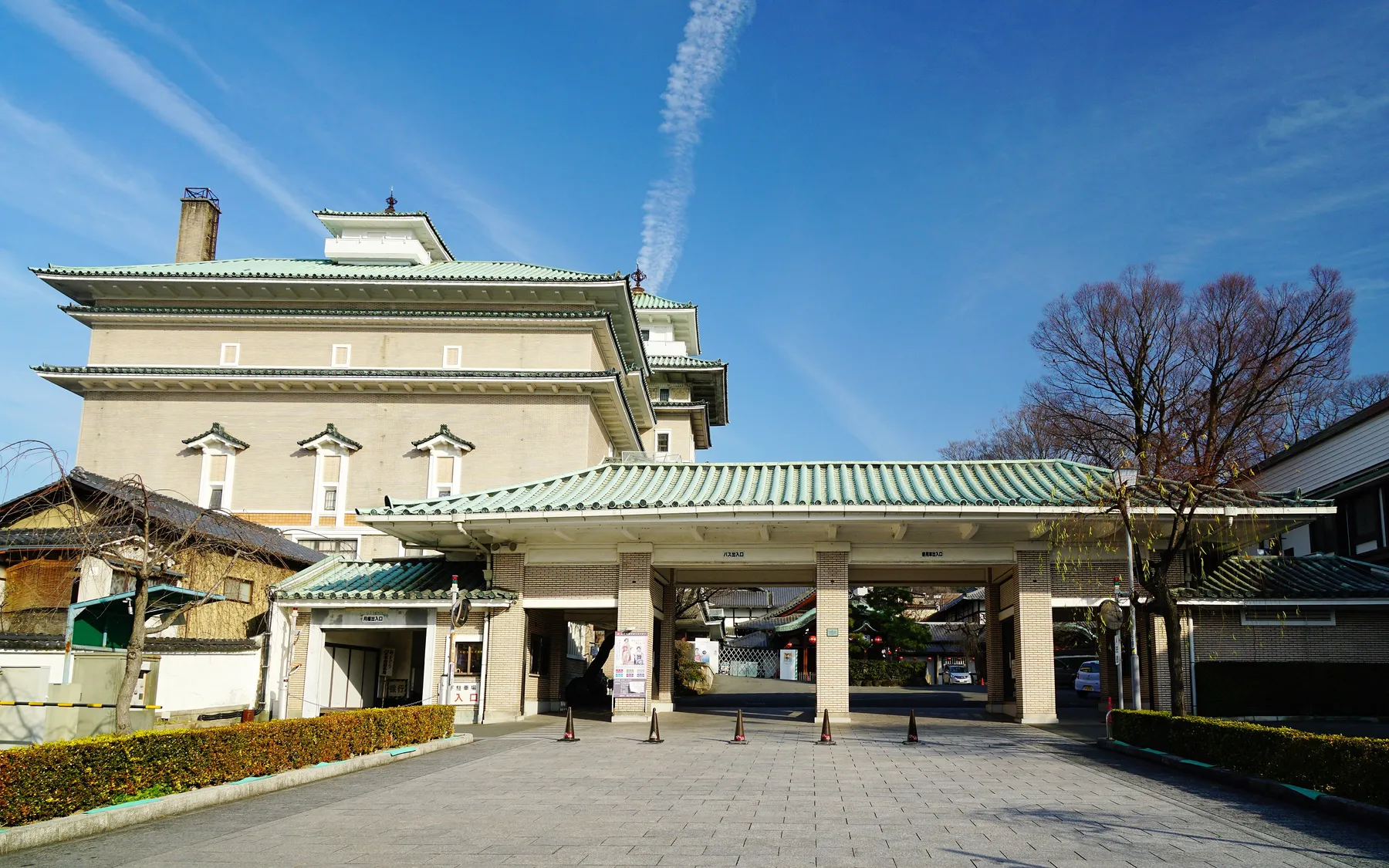
The new benchmark is in Gion, Kyoto’s old entertainment district. The Imperial Hotel, Tokyo’s grande dame, opened its first new property in 30 years there this spring, inside the Yasaka Kaikan, a 1930s theatre building registered as a cultural property.
It has 55 rooms. The best suite costs about ¥3mn a night, including service but not tax, according to Nikkei. That is roughly $20,000.
The company expects around 60 per cent of guests to come from abroad. Its president has said the point is to offer an experience of Japanese values that foreign chains cannot.
The top of the list
The Imperial’s suite leads a short list of rooms that now cost more per night than many Japanese earn in a month. Published rates move with season and availability, but the property guide Japan Hotel Guide puts the others roughly as follows.
The Ritz-Carlton Fukuoka has a suite at about ¥2.5mn. The Ritz-Carlton Tokyo’s 307-square-metre suite, high above Roppongi, starts above ¥2.4mn. Suites at the Bulgari Hotel Tokyo and Hotel The Mitsui Kyoto begin around ¥1.5mn. Aman Tokyo and Park Hyatt Kyoto reach about ¥1mn.
Traditional inns work on a different scale. Even Gōra Kadan in Hakone, one of the country’s most celebrated ryokan, starts its best rooms from about ¥200,000 a night, dinner and breakfast included.
Kyoto’s new tax
Guests in Kyoto now pay for the privilege twice. From 1 March the city replaced its three-tier accommodation tax with five tiers. A room costing under ¥6,000 a night attracts ¥200 per person. A room costing ¥100,000 or more attracts ¥10,000, the highest rate in Japan.
The city expects the change to raise its accommodation-tax revenue from ¥5.2bn to ¥12.6bn a year. The city says the aim is to raise the quality of tourism and to fit it better with residents’ lives, after years of complaints about crowding. The top tier falls on precisely the visitors staying in Gion’s new suites.
For a couple in the Imperial’s best suite, the tax adds ¥20,000 a night to a ¥3mn bill. Few guests at that level will notice it, and the city is counting on their contribution towards the costs created by everyone else.
Why now
The price of Japan’s top rooms has risen with the flood of foreign visitors, the arrival of global luxury brands and the scarcity of historic buildings that can be converted. Kyoto in particular has few sites left like the Yasaka Kaikan, and hotel groups are paying accordingly.
The weak yen still makes a mid-range Japanese holiday good value. At the top, the market has priced itself in dollars, and the hotels are betting that their guests think in dollars too.
Sources
- Nikkei: Imperial Hotel Kyoto’s top suite at ¥3mn a night, opening 2026
- Japan Hotel Guide: Japan’s most expensive hotels and suites, 2026
- City of Kyoto: accommodation tax changes from 1 March 2026
- Nikkei: Kyoto raises accommodation tax to a maximum of ¥10,000
Cover image: 663highland, Wikimedia Commons, CC BY-SA 4.0. Cropped.

More from OutBragger
View all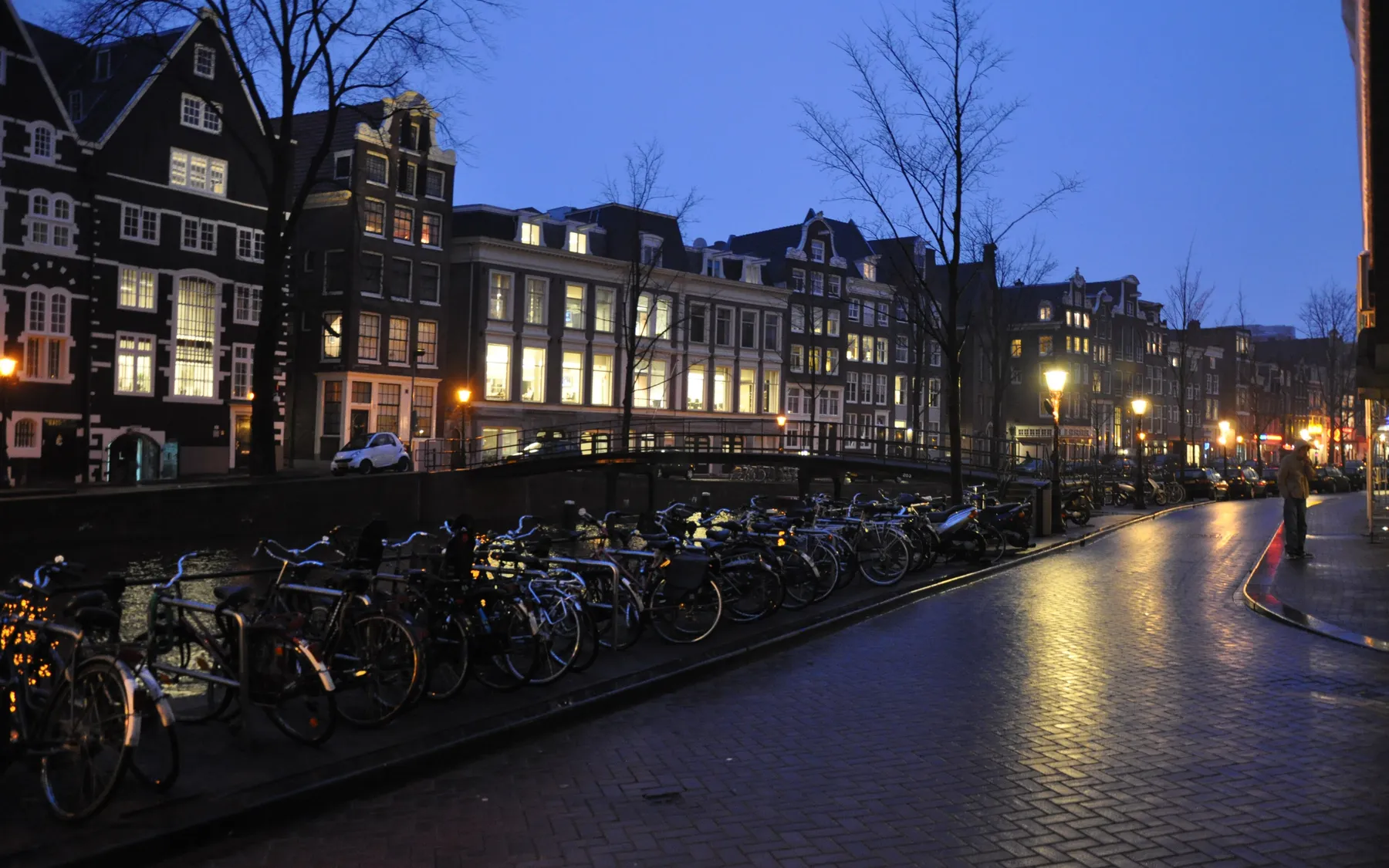 OB / 01
The tax on a €10,000 hotel night: €24 in Barcelona, €3,350 in Amsterdam
Cities have raised tourist taxes to fight overcrowding. But most charge a flat fee per guest, which the richest visitors barely notice. Amsterdam, New York and now Edinburgh tax the room price instead.
 OB / 02
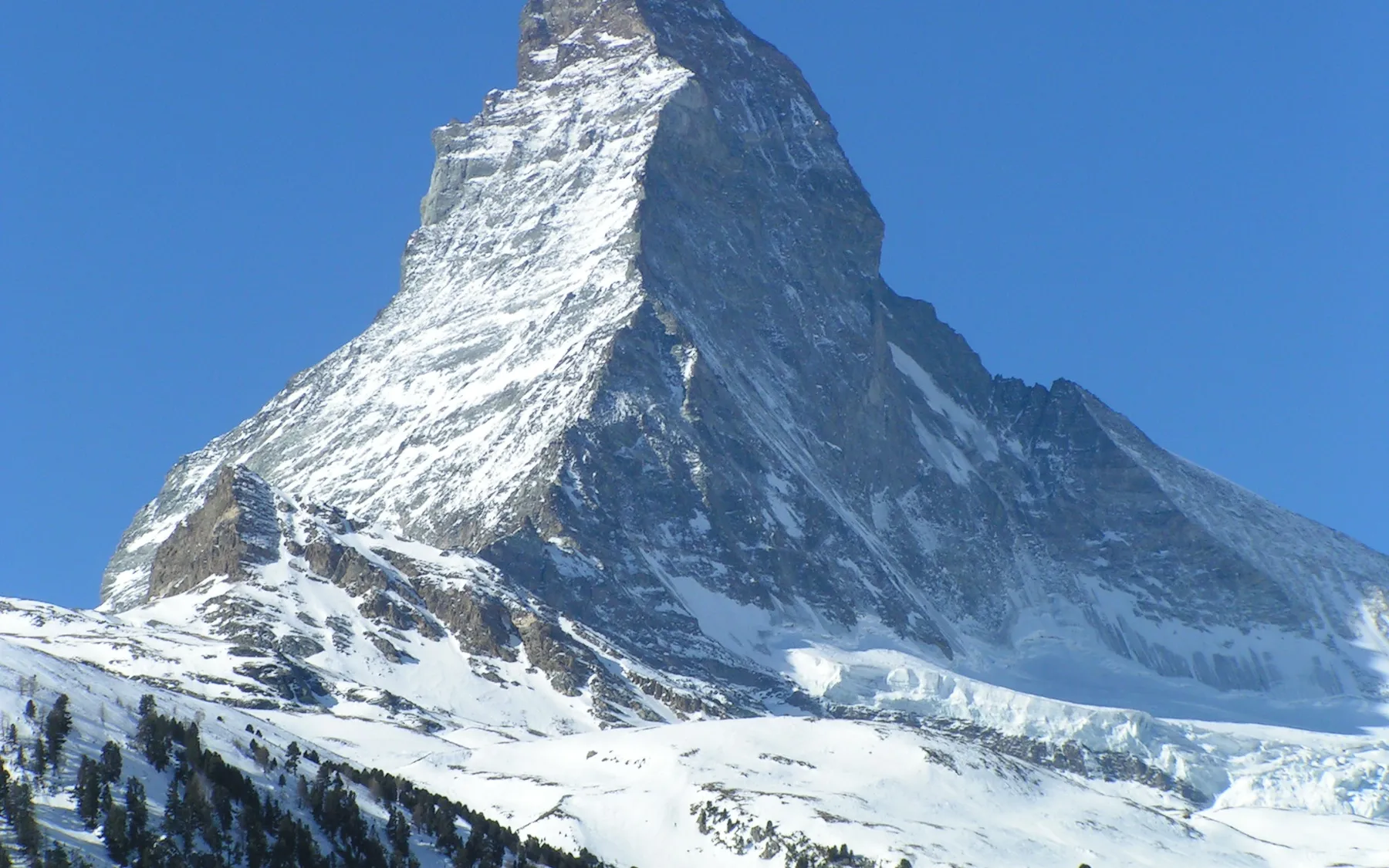
Switzerland’s club of rich foreigners taxed on their spending is shrinking, and paying more
The number of foreigners taxed on their living costs rather than their income has fallen by more than a third since 2012. The cantons that still offer the deal are collecting more than ever.
 OB / 03
The 2026 price list for a new home country
Italy charges €300,000 a year, Greece wants €800,000 for Athens or Mykonos, Uruguay now asks for real investment. What residency costs the very rich this year, and what changed.
Discussion
Join this article’s en edition thread. Replies in other language editions stay separate.