A chip passes through several companies before it reaches a phone, a car or a data centre. One business may design it and another manufacture it. Others supply the machines that make manufacturing possible, or the memory that sits beside the processor. This list ranks the listed companies along that chain by market capitalisation.
The ranking uses CompaniesMarketCap’s semiconductor category on 14 October 2026. The amounts are the market value of each company’s shares. They are not chip sales or factory output, and they include expectations about demand that may or may not be met.
Design and manufacture are separate businesses
Some chip companies design products and pay others to manufacture them. Contract manufacturers produce chips for many customers, and a few groups do both. Their costs and risks differ: a factory needs years of investment before it produces anything, while a design company depends on capacity it does not own. One market-value ranking puts both models side by side.
Memory follows a cycle
Memory chips are sold in large volumes at prices that rise and fall with supply and demand. Profits at memory makers have historically swung widely across that cycle, and their market values can move quickly when expectations about prices change. A snapshot taken at one point in the cycle may look different a year later.
A worldwide industry, one label each
The source assigns each company to a single country, although most sell worldwide and some manufacture in several places. Many also have shares listed in more than one market. We keep the source’s company records and dollar values rather than combining listings or reclassifying companies ourselves.
What this snapshot shows
NVIDIA leads this captured list at approximately US$5.33tn. The entry at number 100, Kulicke and Soffa Industries, is approximately US$4.42bn. The first ten account for 76.4% of the sum of the hundred reported values. That share is calculated within this list; it is not a share of the whole semiconductor industry.
The first ten
NVIDIA
Listing symbol: NVDA ·
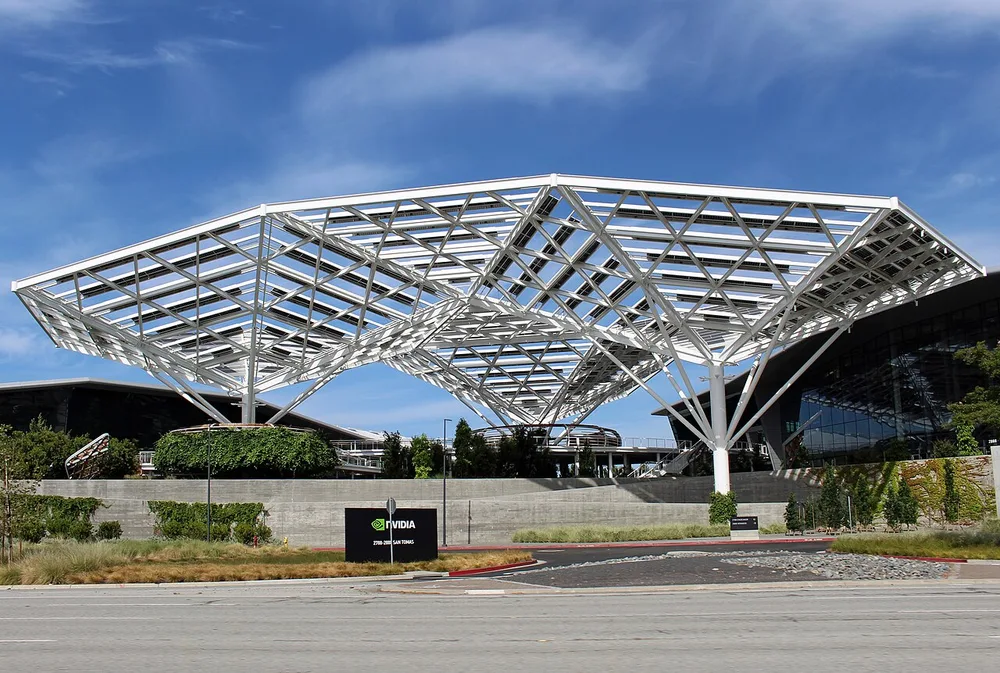
NVIDIA made its name by supplying the graphics processors that draw game worlds. The same ability to perform many calculations in parallel opened a much larger role in scientific computing and artificial intelligence. Its business now connects chips, networking, complete computing systems and the software used to work with them.
The striking part of its position is that much of this technology sits inside another organisation’s infrastructure. A consumer may never buy an NVIDIA-branded device yet still use services running on its processors.
TSMC
Listing symbol: TSM ·
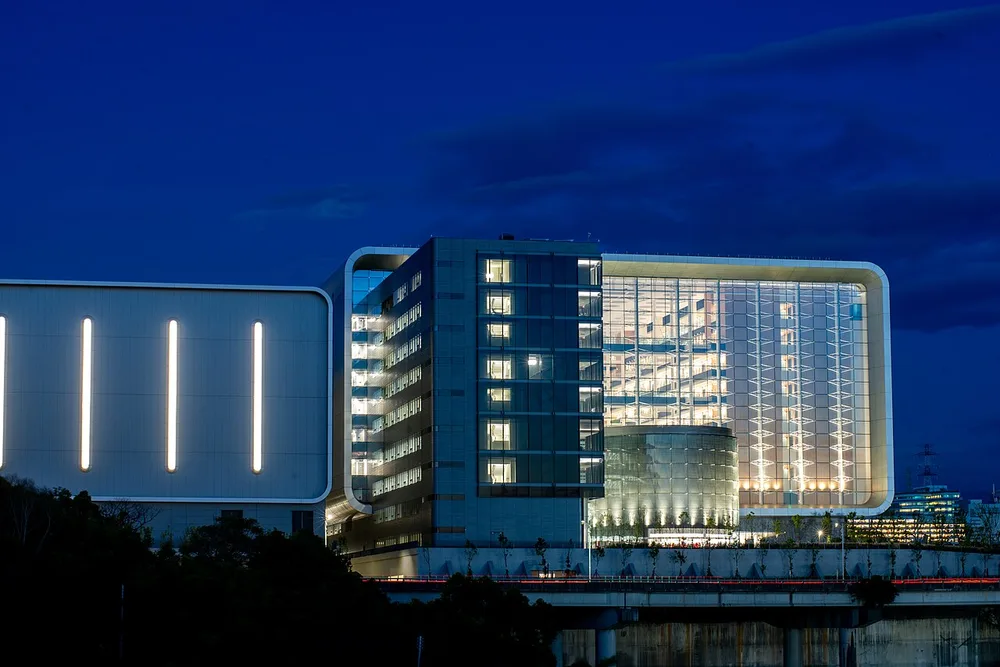
TSMC manufactures semiconductors for other companies. Its foundry model lets customers design chips while relying on a specialist manufacturer to turn those designs into physical devices. The precision, factories and process development required make this a very different business from selling a branded phone or computer.
Its position reveals an important link between apparently separate technology companies. Competing products can depend on the same manufacturer, and demand for advanced computing reaches TSMC through the designs its customers ask it to build.
Broadcom
Listing symbol: AVGO ·
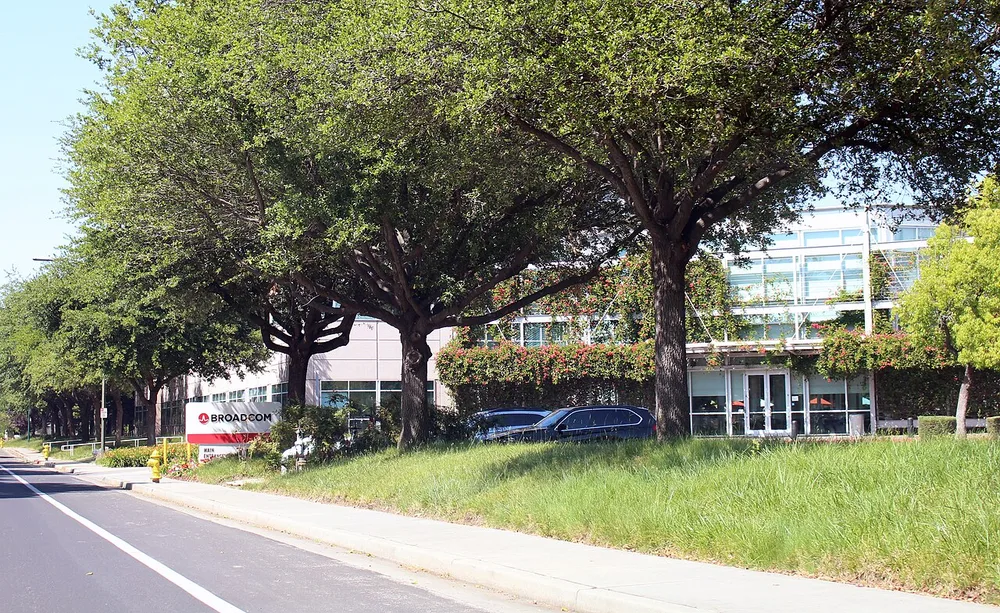
Broadcom supplies semiconductors and infrastructure software used inside networks, data centres, storage systems and connected devices. Its products often work behind more recognisable consumer or enterprise brands, moving data or supporting the systems that organisations rely on.
The acquisition of VMware added a substantial software business to that mix. Broadcom’s appearance alongside device makers therefore represents a different part of the technology economy: components and infrastructure that help other companies deliver their own products and services.
Samsung
Listing symbol: 005930.KS ·
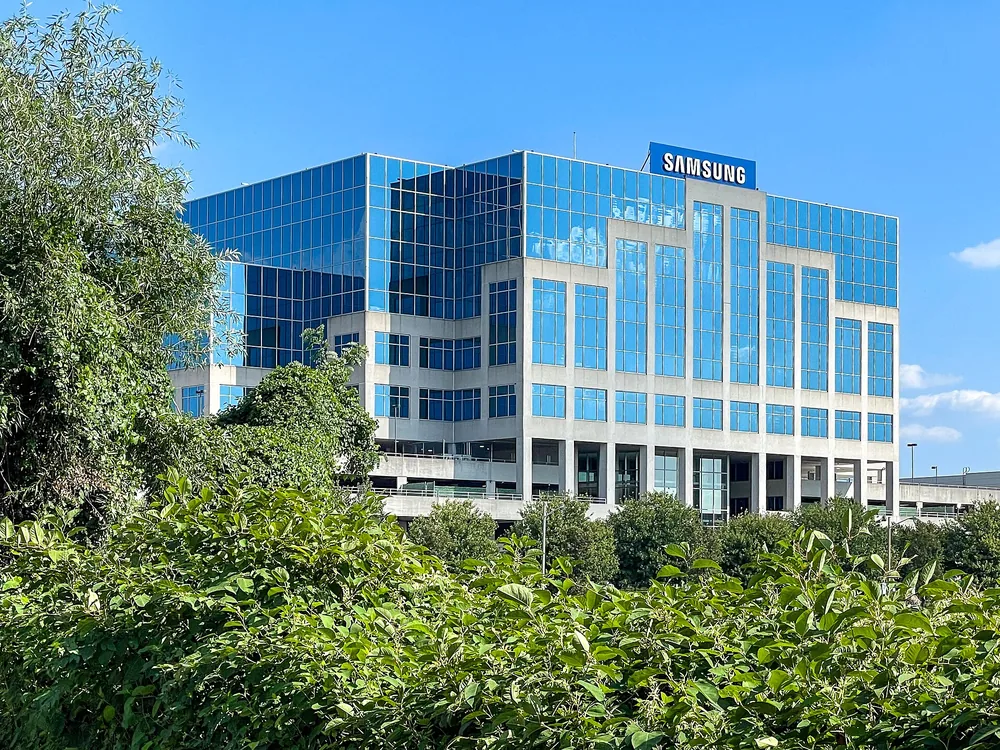
Samsung Electronics is the flagship listed company of South Korea’s Samsung group. Founded in Suwon in 1969, it is best known for its Galaxy smartphones. It has been the world’s largest television maker by revenue every year since 2006.
Part of the business works behind other brands. Samsung declared its intention to make DRAM memory chips in 1983 and is now one of the world’s largest manufacturers of semiconductor memory. It also supplies image sensors, camera modules and display panels to other manufacturers, including Apple.
Micron Technology
Listing symbol: MU ·
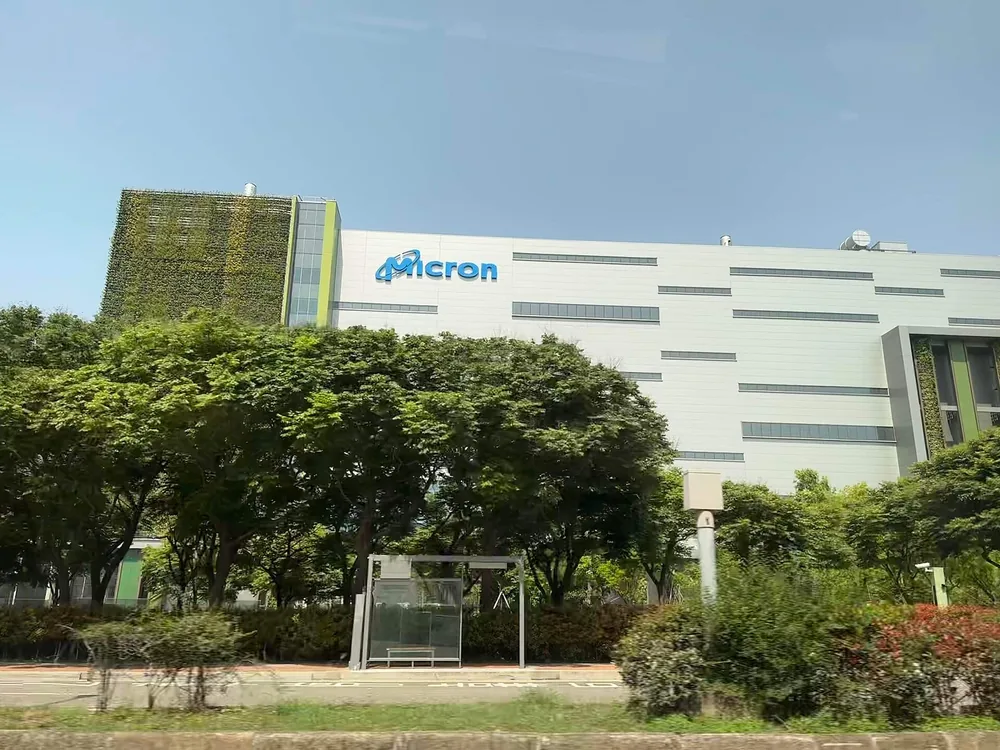
Micron Technology makes memory and storage chips, including DRAM, NAND flash and high-bandwidth memory. Founded in Boise, Idaho, in 1978 as a semiconductor design consultancy, it completed its first chip factory in 1981. It is the only major American memory manufacturer.
The company has since moved further towards business customers. In December 2025 it announced that it would retire its Crucial consumer brand. It plans to concentrate instead on markets such as data centres and artificial intelligence, where demand for its high-bandwidth memory has surged.
AMD
Listing symbol: AMD ·
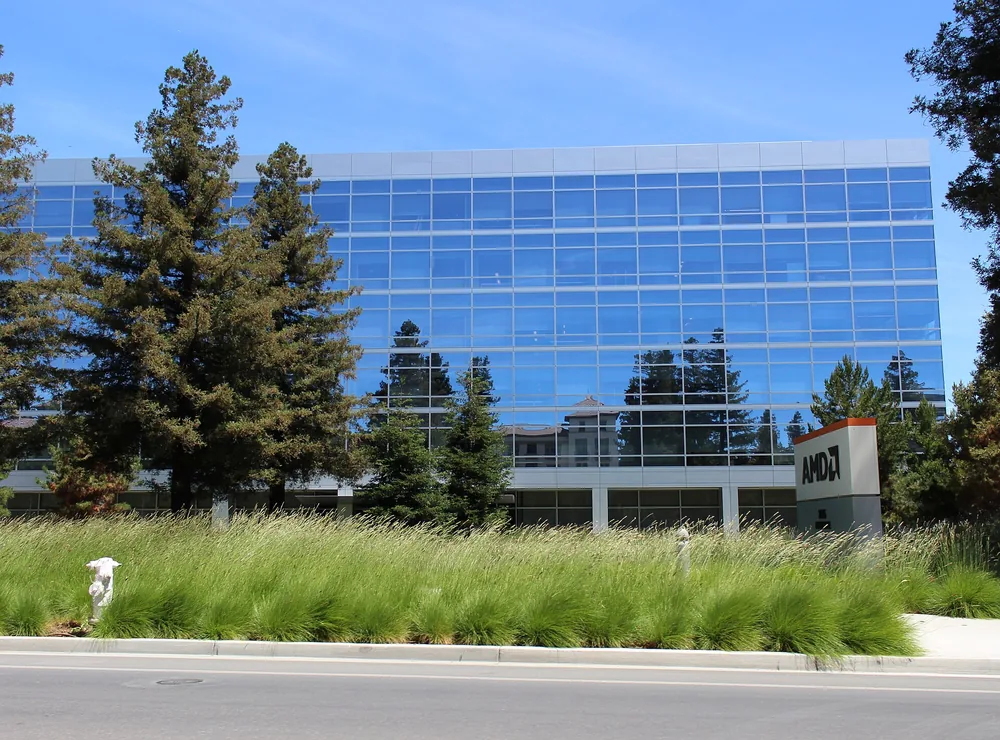
AMD designs processors and graphics chips for PCs, servers and game consoles. Founded in 1969 by Jerry Sanders and colleagues from Fairchild Semiconductor, it became Intel’s main rival in x86 processors. It spun off its factories as GlobalFoundries in 2009 and now relies on manufacturers such as TSMC.
Its Ryzen processors helped it regain market share in the late 2010s, and the 2022 acquisition of Xilinx added programmable chips. In 2025 it agreed a multibillion-dollar partnership with OpenAI on artificial-intelligence data centres.
SK Hynix
Listing symbol: 000660.KS ·
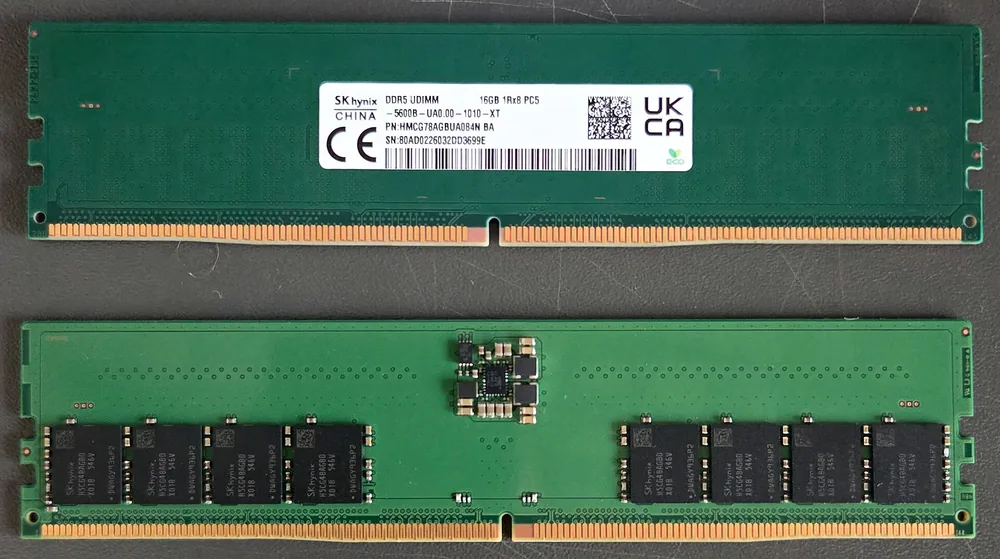
SK Hynix makes memory chips, chiefly DRAM and NAND flash, and is one of the three big memory manufacturers. It began in 1983 as Hyundai Electronics and acquired LG Semicon in 1998. It took the Hynix name in 2001 and joined South Korea’s SK Group in 2012.
Its customers include Nvidia, Microsoft and Apple. It supplies high-bandwidth memory (HBM) for artificial-intelligence computing, including HBM3E chips for Nvidia. In 2024 it said it had begun the world’s first mass production of 12-layer HBM chips.
ASML
Listing symbol: ASML ·
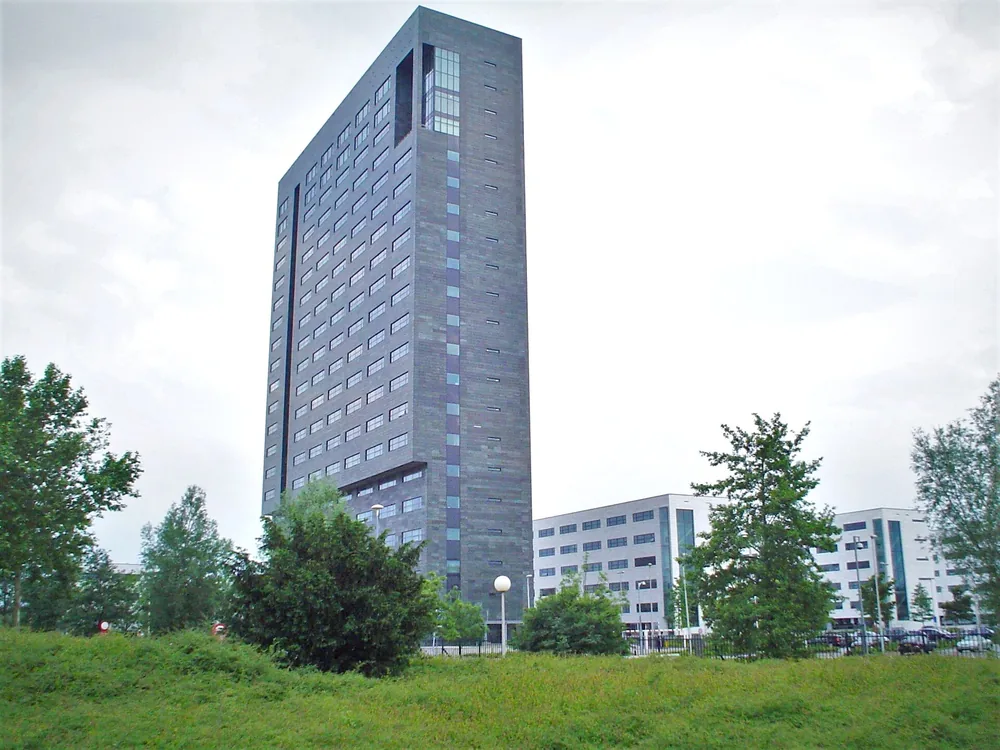
ASML makes the photolithography machines used to manufacture integrated circuits. Founded in 1984 as a joint venture between the Dutch companies Philips and ASM International, it became independent four years later. By 2002 it was the world’s largest supplier of lithography machines.
It is also the only manufacturer of extreme ultraviolet (EUV) lithography machines, needed for the most advanced chips. Intel, TSMC and Samsung bought stakes in 2012 to help that work. Dutch and US export controls restrict its sales to China.
Intel
Listing symbol: INTC ·
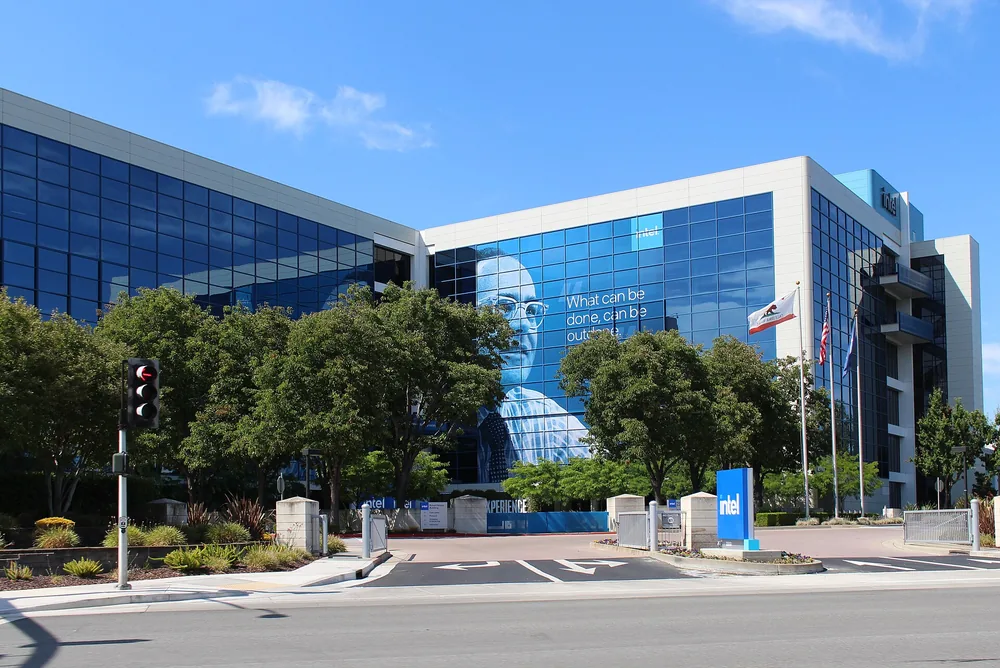
Intel was founded in 1968 by Gordon Moore and Robert Noyce. It introduced the first commercial microprocessor, the 4004, in 1971, but memory chips made up most of its business until 1981. The personal computer then made x86 processors its core business.
Intel both designs and manufactures its chips. Competition from AMD has cut its processor market share, especially since the late 2010s, though it still leads in x86 chips. Since 2021 it has also offered its manufacturing to other chip designers.
CXMT
Listing symbol: 688825.SS ·
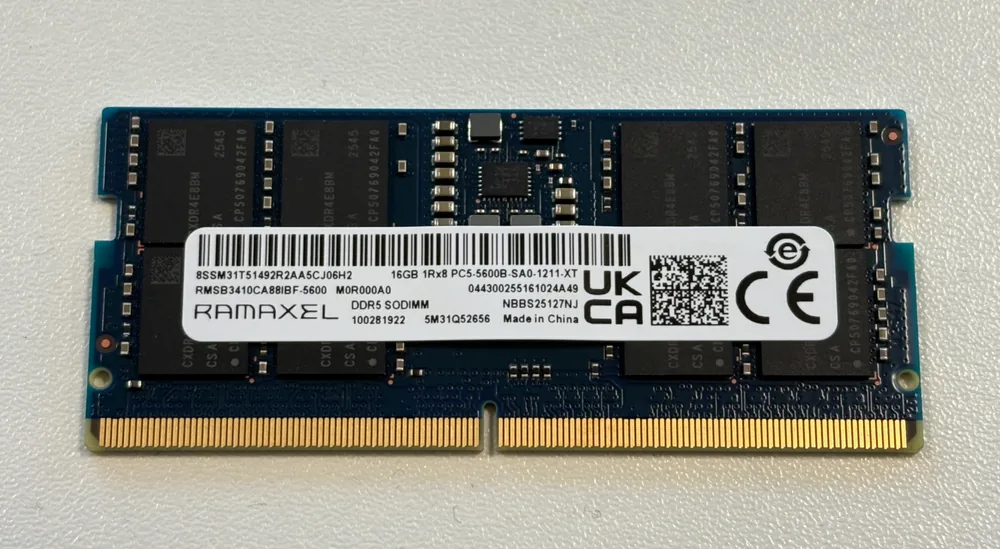
CXMT, short for ChangXin Memory Technologies, makes DRAM chips and is based in Hefei, China. It grew out of Innotron, one of several Chinese memory ventures set up in 2016 to compete with established manufacturers.
Its capacity grew from about 20,000 wafers a month to about 300,000 a month across three fabs by 2026. Reuters describes it as China’s largest DRAM maker and the world’s fourth largest. Investors linked to the Hefei government own more than a third of it, according to Reuters.
The ranking continues: 11–100
CompaniesMarketCap · ranking and methodology
- Market capitalisation: US$358,483,034,112.00
- Market capitalisation: US$354,932,097,024.00
- Market capitalisation: US$257,723,056,128.00
- Market capitalisation: US$254,298,374,144.00
- Market capitalisation: US$233,335,160,832.00
- Market capitalisation: US$222,186,163,121.00
- Market capitalisation: US$222,105,862,144.00
- Market capitalisation: US$196,922,572,800.00
- Market capitalisation: US$184,351,801,344.00
- Market capitalisation: US$183,937,637,559.00
- Market capitalisation: US$165,996,289,354.00
- Market capitalisation: US$98,034,196,480.00
- Market capitalisation: US$91,750,834,176.00
- Market capitalisation: US$87,368,270,404.00
- Market capitalisation: US$80,141,840,463.00
- Market capitalisation: US$63,684,881,486.00
- Market capitalisation: US$61,726,068,736.00
- Market capitalisation: US$59,240,589,024.00
- Market capitalisation: US$56,114,094,080.00
- Market capitalisation: US$53,907,496,960.00
- Market capitalisation: US$52,498,325,504.00
- Market capitalisation: US$52,235,993,088.00
- Market capitalisation: US$51,589,358,627.00
- Market capitalisation: US$44,862,715,510.00
- Market capitalisation: US$42,264,703,057.00
- Market capitalisation: US$42,072,584,192.00
- Market capitalisation: US$39,762,351,786.00
- Market capitalisation: US$38,960,873,472.00
- Market capitalisation: US$38,615,832,545.00
- Market capitalisation: US$34,383,717,591.00
- Market capitalisation: US$33,976,070,144.00
- Market capitalisation: US$33,945,526,272.00
- Market capitalisation: US$30,703,117,251.00
- Market capitalisation: US$28,572,094,464.00
- Market capitalisation: US$27,452,866,560.00
- Market capitalisation: US$25,679,624,426.00
- Market capitalisation: US$25,433,667,584.00
- Market capitalisation: US$24,721,962,206.00
- Market capitalisation: US$23,859,820,544.00
- Market capitalisation: US$23,422,978,048.00
- Market capitalisation: US$22,551,572,480.00
- Market capitalisation: US$22,245,301,229.00
- Market capitalisation: US$19,988,968,460.00
- Market capitalisation: US$18,098,581,446.00
- Market capitalisation: US$18,061,889,536.00
- Market capitalisation: US$17,033,438,833.00
- Market capitalisation: US$16,225,323,008.00
- Market capitalisation: US$15,789,399,040.00
- Market capitalisation: US$15,387,877,997.00
- Market capitalisation: US$15,386,399,601.00
- Market capitalisation: US$15,175,853,249.00
- Market capitalisation: US$15,132,283,904.00
- Market capitalisation: US$13,580,708,577.00
- Market capitalisation: US$13,132,083,815.00
- Market capitalisation: US$12,416,599,881.00
- Market capitalisation: US$12,330,021,810.00
- Market capitalisation: US$11,830,329,344.00
- Market capitalisation: US$11,168,118,784.00
- Market capitalisation: US$11,157,900,012.00
- Market capitalisation: US$10,835,157,077.00
- Market capitalisation: US$10,656,503,913.00
- Market capitalisation: US$10,597,176,320.00
- Market capitalisation: US$10,581,676,420.00
- Market capitalisation: US$10,516,965,352.00
- Market capitalisation: US$10,241,140,176.00
- Market capitalisation: US$10,071,849,984.00
- Market capitalisation: US$9,761,797,845.00
- Market capitalisation: US$9,605,974,405.00
- Market capitalisation: US$9,583,752,592.00
- Market capitalisation: US$9,382,246,400.00
- Market capitalisation: US$8,700,668,643.00
- Market capitalisation: US$8,348,978,889.00
- Market capitalisation: US$7,967,455,883.00
- Market capitalisation: US$7,592,393,216.00
- Market capitalisation: US$7,389,736,448.00
- Market capitalisation: US$6,794,239,643.00
- Market capitalisation: US$6,681,971,169.00
- Market capitalisation: US$6,672,103,562.00
- Market capitalisation: US$6,373,239,808.00
- Market capitalisation: US$6,045,018,624.00
- Market capitalisation: US$5,794,512,393.00
- Market capitalisation: US$5,692,057,332.00
- Market capitalisation: US$5,611,046,641.00
- Market capitalisation: US$5,501,983,216.00
- Market capitalisation: US$5,430,738,944.00
- Market capitalisation: US$5,244,128,894.00
- Market capitalisation: US$4,740,926,372.00
- Market capitalisation: US$4,556,327,672.00
- Market capitalisation: US$4,446,461,952.00
- Market capitalisation: US$4,420,816,384.00
There is always a story.
The semiconductor industry’s market value is concentrated in a few very large companies, followed by a long list of specialists. These figures record what investors paid for shares on 14 October 2026; they do not measure how many chips each company makes.