The biggest number associated with a bank is often its asset total. That is not the number in this ranking. Here we compare the market value of shareholders’ equity: what public markets collectively put on ownership of each listed bank.
The distinction matters because a bank can hold a very large loan book while having a much smaller market capitalisation. Deposits, borrowings and other liabilities help finance those assets. Reading a bank ranking starts with knowing which side of that balance sheet the headline describes.
Depositors and shareholders hold different claims
Money in a customer’s deposit account is not the bank shareholder’s personal wealth. Deposits are obligations of the bank. Equity is a different claim, exposed to the business’s profits and losses. Adding customer balances to a shareholder-value ranking would mix unlike quantities and make a large institution appear richer for the wrong reason.
Scale comes in several forms
A bank can be large in lending, payments, branch coverage or investment-banking activity. Market capitalisation combines expectations about the whole listed business. A group with several activities may therefore appear beside a more specialised institution without operating in exactly the same way. The linked company record identifies the entity being compared.
The table is not a safety rating
Equity prices are market observations, not measures of deposit protection or regulatory capital adequacy. Those questions require different evidence and depend on the institution and jurisdiction. Country labels here reproduce the source’s classification and do not describe every place where a banking group operates.
What this snapshot shows
JPMorgan Chase leads this captured list at approximately US$946.93bn. The entry at number 100, M&T Bank, is approximately US$34.64bn. The first ten account for 34.2% of the sum of the hundred reported values. That share is calculated within this list; it is not a share of the entire economy.
The first ten
JPMorgan Chase
Listing symbol: JPM ·

JPMorgan Chase combines the Chase consumer-banking franchise with corporate banking, markets, investment banking and asset management. That creates a business serving a household opening an account as well as a company arranging a large financing or transaction.
The number here is the equity market’s valuation of that institution. It is much smaller than the total money moving through its systems and is different from the assets on its balance sheet, so a market-value ranking can produce a different order from a ranking by banking assets.
Bank of America
Listing symbol: BAC ·
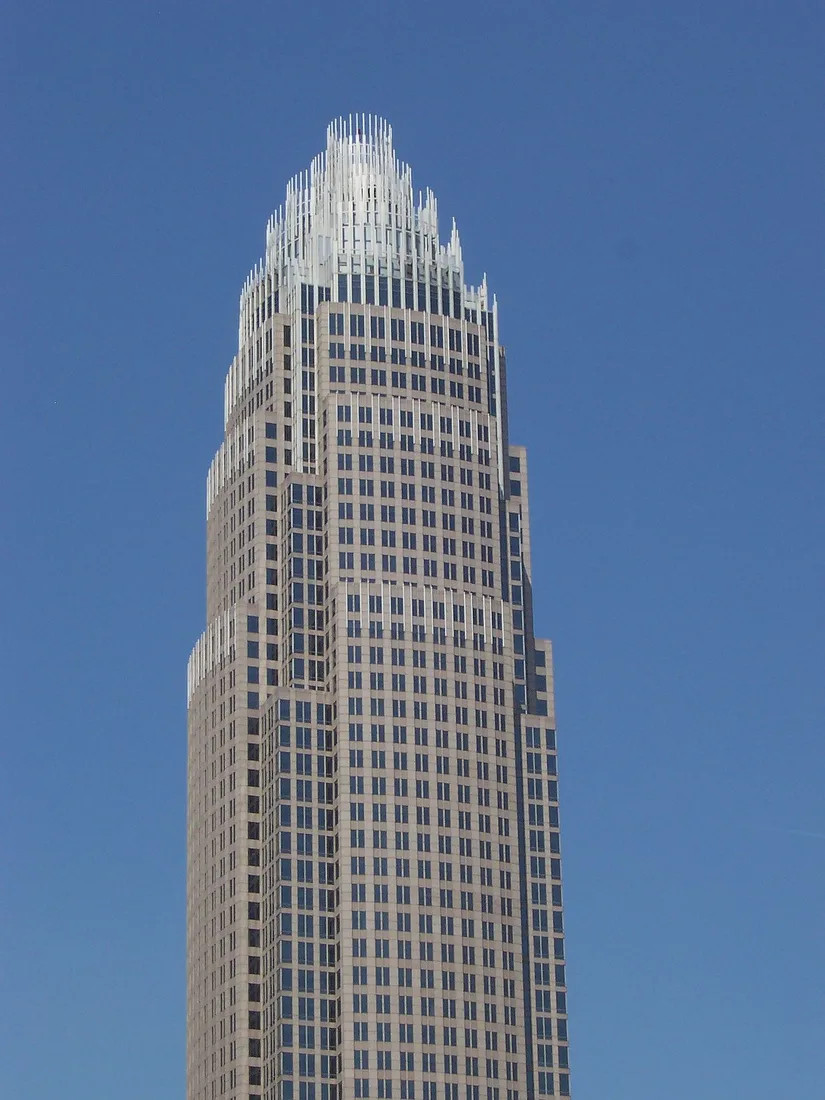
Bank of America has a broad US consumer-banking presence alongside corporate finance, investment banking and wealth management. Its modern structure reflects a history of combinations, including the 1998 merger of NationsBank and the earlier Bank of America.
The familiar branch network is only one part of the business being valued. Relationships with savers, borrowers, investors and large companies all contribute to the parent, while customer deposits remain obligations to customers rather than equity belonging to shareholders.
China Construction Bank
Listing symbol: 601939.SS ·
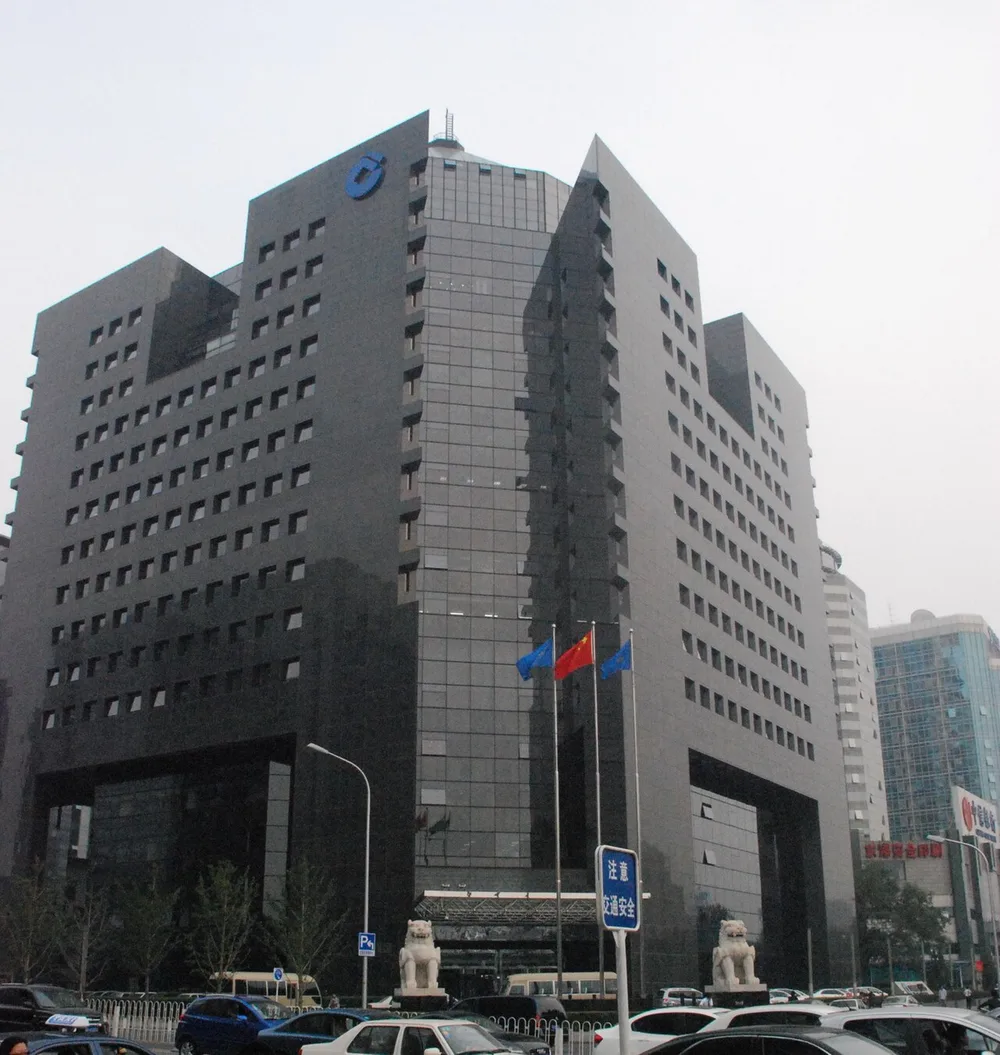
China Construction Bank is one of China’s major banking groups, headquartered in Beijing. Despite the specialised name, its activities extend across corporate and personal banking, lending, payments and financial services. A substantial domestic network sits alongside overseas operations.
Its name records an institutional history; it does not mean that the bank only finances building projects. The equity value shown here reflects the listed banking business under the source’s methodology, rather than the combined value of the construction financed by its loans.
Agricultural Bank of China
Listing symbol: 601288.SS ·

Agricultural Bank of China retains a name associated with rural finance, but its operations extend into a broad national and international banking business. Personal accounts, corporate customers, lending and other financial services all form part of its activities.
That development makes it more useful to look at the actual business than to infer its limits from the name. Its market capitalisation values shareholders’ interests in the institution; customer savings and outstanding loans belong to different parts of the balance sheet.
HSBC
Listing symbol: HSBC ·
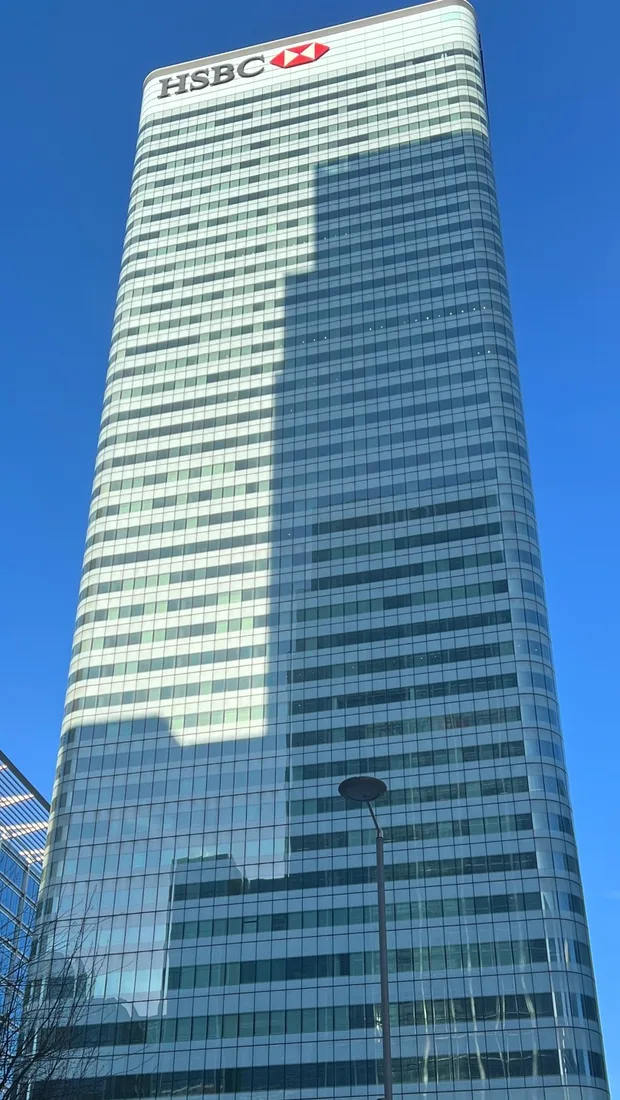
HSBC’s history links Hong Kong and Shanghai with trade and international banking. The group is headquartered in London, while its Asian connections remain an important part of its identity and business. It serves personal, commercial and institutional customers across borders.
This makes HSBC a different comparison from a bank focused mainly on one domestic branch network. International payments, trade relationships and wealth services sit alongside everyday banking, with the listed parent bringing those activities into one equity valuation.
ICBC
Listing symbol: 1398.HK ·
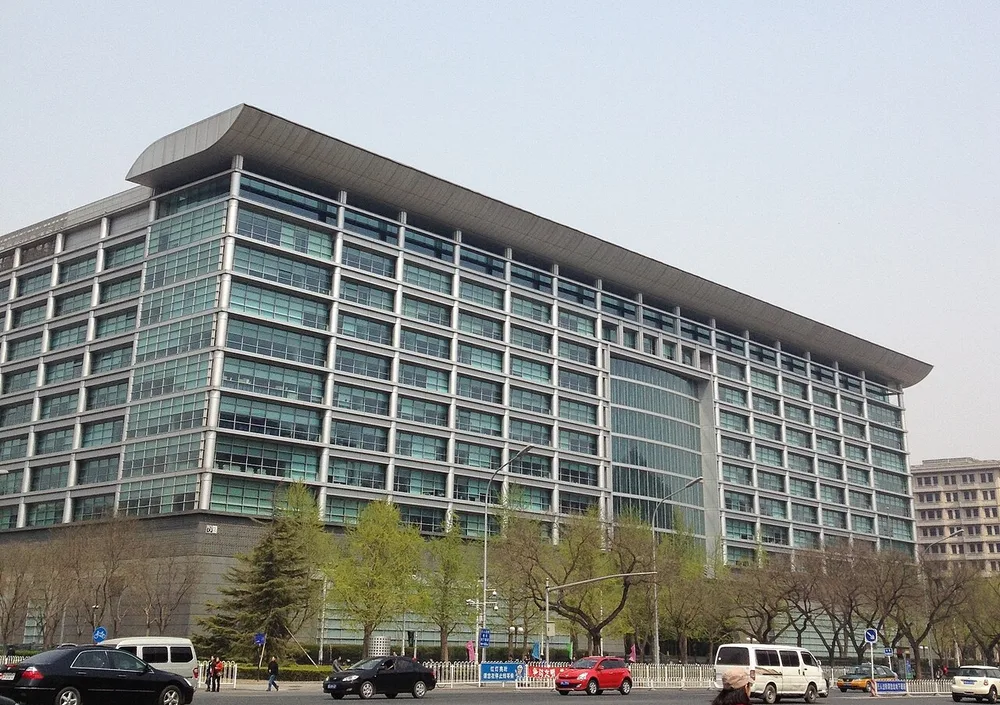
Industrial and Commercial Bank of China grew from commercial-banking operations separated from the People’s Bank of China in 1984. It has developed into a large banking group serving individuals and organisations, with a substantial domestic network and international operations.
Its enormous balance sheet is often the basis of comparisons with other banks. This list uses a different measure: the stock-market value of equity. Keeping those measures separate explains why being largest by assets does not automatically mean ranking first here.
Morgan Stanley
Listing symbol: MS ·
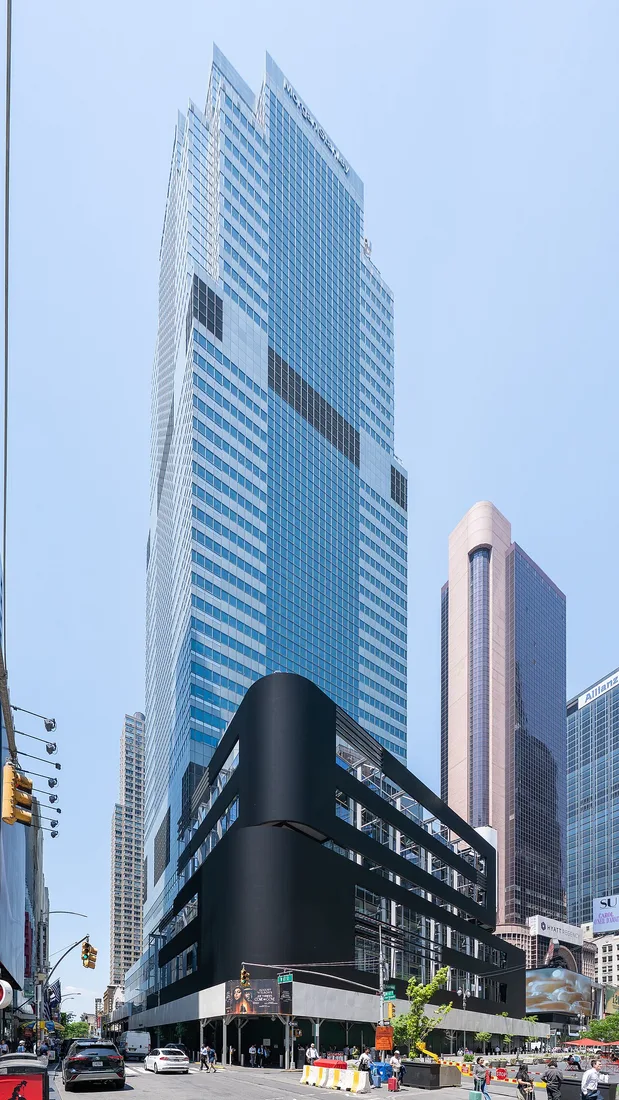
Morgan Stanley connects investment banking and financial markets with wealth and investment management. It can help a corporation raise capital while also managing long-term relationships with individual investors. Its roots lie in the separation of investment banking from other banking activities in the 1930s.
The combination gives it a different profile from a bank whose public identity is built around everyday current accounts. The company’s valuation reflects its businesses, not ownership of all the client investments it advises on or manages.
Bank of China
Listing symbol: 601988.SS ·
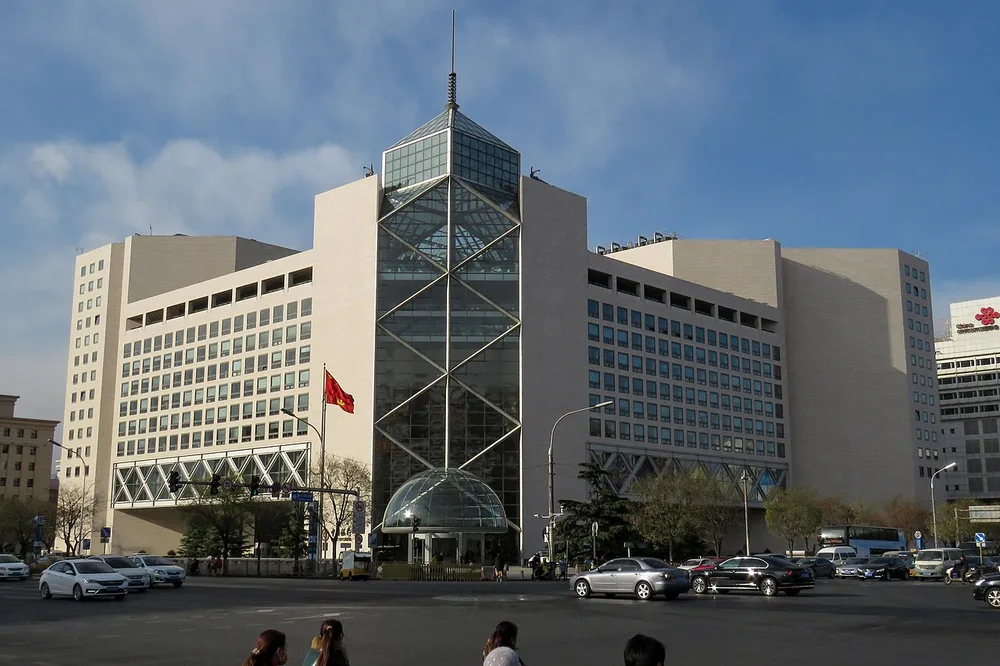
Bank of China is a commercial banking group with a history reaching back to 1912. Its international operations and role in cross-border financial services form an important part of its identity, alongside a substantial business in mainland China.
It should not be confused with the People’s Bank of China, the central bank. The listed commercial institution is the subject of this entry, and the figure prices its equity rather than the currency, reserves or monetary policy of the country.
Goldman Sachs
Listing symbol: GS ·

Goldman Sachs is closely associated with advising companies, arranging financing and operating in financial markets. Asset and wealth management extend its activities into longer-term investment relationships. Much of the business serves corporations, governments, institutions and wealthy individuals rather than relying on a large everyday branch network.
Its appearance here shows the range covered by the word bank. The share valuation is a measure of the firm itself, not the value of all the transactions it advises on or the portfolios held for clients.
Royal Bank Of Canada
Listing symbol: RY ·
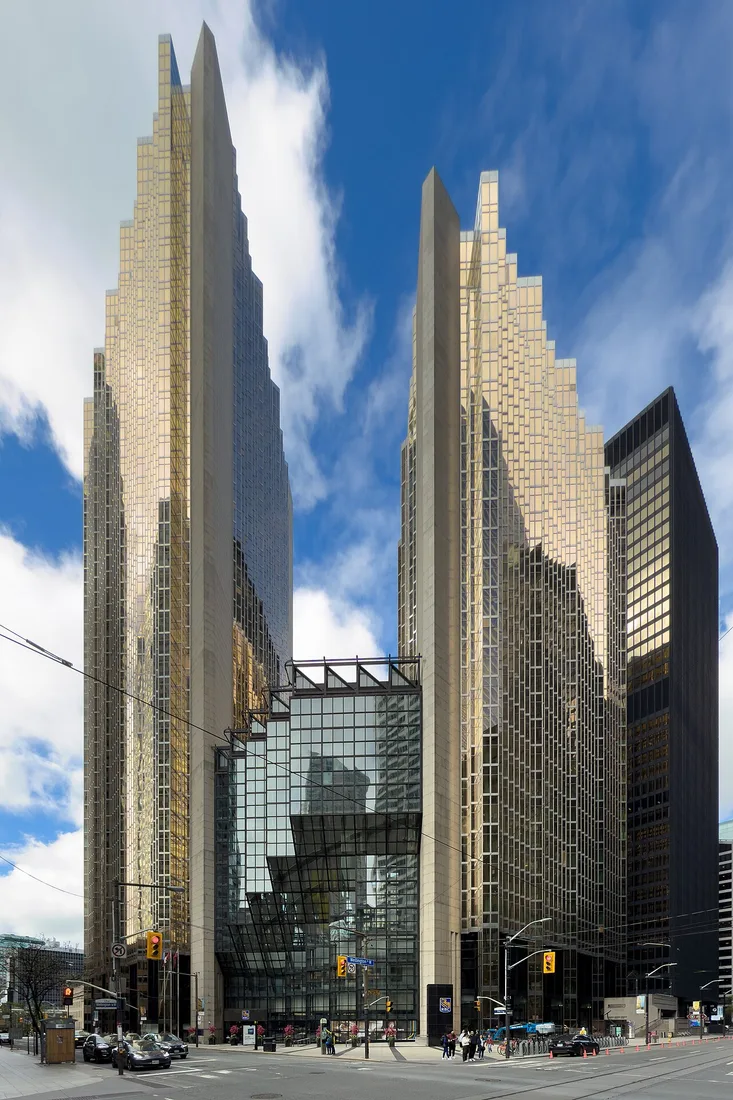
Royal Bank of Canada serves personal and commercial banking customers while also operating in wealth management, insurance and capital markets. Its Canadian roots sit alongside a wider international business, giving it several sources of activity beyond the familiar RBC branch sign.
The gold-toned Royal Bank Plaza in Toronto is a visible corporate landmark, but the valuation concerns the operating group. It brings together financial relationships and businesses that cannot be understood simply by counting buildings or branches.
The ranking continues: 11–100
CompaniesMarketCap · ranking and methodology
- Market capitalisation: US$273,036,886,016.00
- Market capitalisation: US$268,900,220,928.00
- Market capitalisation: US$232,861,794,304.00
- Market capitalisation: US$217,135,497,216.00
- Market capitalisation: US$198,210,682,880.00
- Market capitalisation: US$185,471,254,528.00
- Market capitalisation: US$185,013,687,277.00
- Market capitalisation: US$172,847,993,195.00
- Market capitalisation: US$172,814,385,152.00
- Market capitalisation: US$167,109,885,952.00
- Market capitalisation: US$167,060,380,671.00
- Market capitalisation: US$163,065,921,536.00
- Market capitalisation: US$146,897,461,168.00
- Market capitalisation: US$138,579,787,776.00
- Market capitalisation: US$137,831,768,391.00
- Market capitalisation: US$131,942,177,370.00
- Market capitalisation: US$127,788,900,352.00
- Market capitalisation: US$121,557,729,280.00
- Market capitalisation: US$119,921,369,088.00
- Market capitalisation: US$113,899,659,264.00
- Market capitalisation: US$112,118,525,939.00
- Market capitalisation: US$110,365,483,008.00
- Market capitalisation: US$107,563,643,791.00
- Market capitalisation: US$106,234,552,320.00
- Market capitalisation: US$105,476,300,800.00
- Market capitalisation: US$105,445,345,174.00
- Market capitalisation: US$104,085,716,992.00
- Market capitalisation: US$98,530,321,391.00
- Market capitalisation: US$97,921,120,303.00
- Market capitalisation: US$97,907,957,760.00
- Market capitalisation: US$97,438,007,296.00
- Market capitalisation: US$96,199,768,038.00
- Market capitalisation: US$91,812,192,256.00
- Market capitalisation: US$89,500,794,880.00
- Market capitalisation: US$86,911,827,968.00
- Market capitalisation: US$84,651,224,528.00
- Market capitalisation: US$83,871,477,638.00
- Market capitalisation: US$80,040,323,994.00
- Market capitalisation: US$76,254,428,555.00
- Market capitalisation: US$76,061,925,376.00
- Market capitalisation: US$74,987,675,648.00
- Market capitalisation: US$74,122,639,118.00
- Market capitalisation: US$72,660,192,511.00
- Market capitalisation: US$70,624,665,600.00
- Market capitalisation: US$70,507,667,291.00
- Market capitalisation: US$70,166,711,107.00
- Market capitalisation: US$68,563,609,724.00
- Market capitalisation: US$67,755,585,270.00
- Market capitalisation: US$65,742,509,888.00
- Market capitalisation: US$65,652,979,790.00
- Market capitalisation: US$64,230,408,947.00
- Market capitalisation: US$63,332,673,414.00
- Market capitalisation: US$62,810,672,084.00
- Market capitalisation: US$61,569,966,080.00
- Market capitalisation: US$58,919,980,180.00
- Market capitalisation: US$58,593,345,155.00
- Market capitalisation: US$57,231,935,599.00
- Market capitalisation: US$54,849,186,590.00
- Market capitalisation: US$54,280,848,224.00
- Market capitalisation: US$53,847,978,547.00
- Market capitalisation: US$53,763,706,718.00
- Market capitalisation: US$53,573,680,803.00
- Market capitalisation: US$53,127,319,552.00
- Market capitalisation: US$51,303,929,969.00
- Market capitalisation: US$49,625,161,728.00
- Market capitalisation: US$47,428,502,260.00
- Market capitalisation: US$46,941,488,584.00
- Market capitalisation: US$46,349,516,800.00
- Market capitalisation: US$46,056,395,664.00
- Market capitalisation: US$45,472,777,458.00
- Market capitalisation: US$45,074,915,328.00
- Market capitalisation: US$44,887,807,779.00
- Market capitalisation: US$44,131,209,779.00
- Market capitalisation: US$43,626,416,183.00
- Market capitalisation: US$42,399,218,774.00
- Market capitalisation: US$42,225,517,577.00
- Market capitalisation: US$41,775,386,365.00
- Market capitalisation: US$41,713,848,320.00
- Market capitalisation: US$41,148,629,291.00
- Market capitalisation: US$40,653,120,465.00
- Market capitalisation: US$40,431,879,408.00
- Market capitalisation: US$38,209,411,720.00
- Market capitalisation: US$38,121,033,728.00
- Market capitalisation: US$38,017,881,515.00
- Market capitalisation: US$36,650,626,626.00
- Market capitalisation: US$35,032,018,924.00
- Market capitalisation: US$35,027,356,692.00
- Market capitalisation: US$35,007,983,384.00
- Market capitalisation: US$34,635,350,016.00
There is always a story.
The most valuable listed banks are an interesting comparison precisely because value, assets and customer money mean different things. Keep that distinction in view and the ranking becomes much more informative than a vague list of the “richest banks”.