Billionaires are concentrated in a small number of countries. In Forbes’ real-time dataset captured on 12 September 2026, 991 of them are US citizens, nearly twice as many as mainland China has. This list counts every billionaire by the country of citizenship Forbes records and ranks the 48 countries with at least five.
A count says nothing about how large the fortunes are. One country can have many billionaires near the $1bn threshold, another a few very large fortunes. The richest billionaire in each country is shown beside its count, with Forbes’ estimate of that person’s net worth.
Which country has the most billionaires?
United States, with 991 billionaires by citizenship in Forbes’ real-time list as captured on 12 September 2026.
Citizenship, not residence
Forbes records one country of citizenship for each person, and this list follows it. Some billionaires live, invest or run companies far from their passport country. The richest Brazilian citizen in the dataset, Eduardo Saverin, made his fortune as a co-founder of Facebook. A count by residence would place many people elsewhere.
Hong Kong and Taiwan apart
Forbes lists Hong Kong and Taiwan separately from mainland China, and this list keeps its classification. Counted together, the three would hold 655 billionaires, about two-thirds of the US figure. Their largest companies list on different stock exchanges and operate under different legal systems.
Counting at the threshold
A billionaire count depends on where the line falls. Forbes’ real-time list keeps a few people whose estimates have dropped below $1bn; this count leaves them out. In this snapshot 157 billionaires were valued at less than $1.1bn, so a fall of a tenth in their holdings could take them off the count.
What this snapshot shows
The United States leads this captured list with 991 billionaires. The entry at number 48, Lebanon, has 6. The first ten account for 73.1% of the 3,389 billionaires with a recorded citizenship. A further 33 countries and territories have between one and four each and are not listed.
The first ten
United States
Richest billionaire: Elon Musk · Estimated net worth: US$929.4bn ·
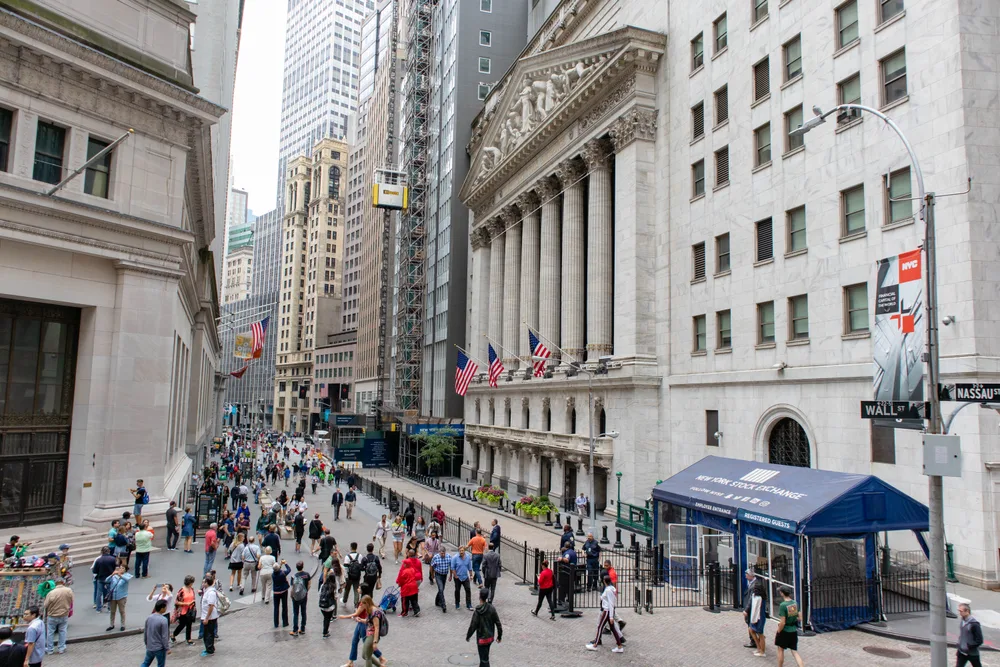
In the Gilded Age of the late 19th century, a few “robber barons” amassed a huge share of America’s wealth. Railroads were the main growth industry, and John D. Rockefeller’s Standard Oil monopolised oil.
A 2016 Peterson Institute study found US fortunes increasingly came from finance and technology, and were less often inherited than Europe’s. UBS reported in 2025 that shares in AI-driven companies were lifting tech fortunes. Elon Musk, the richest, was born in South Africa and became a US citizen in 2002.
China
Richest billionaire: Zhang Yiming · Estimated net worth: US$84bn ·
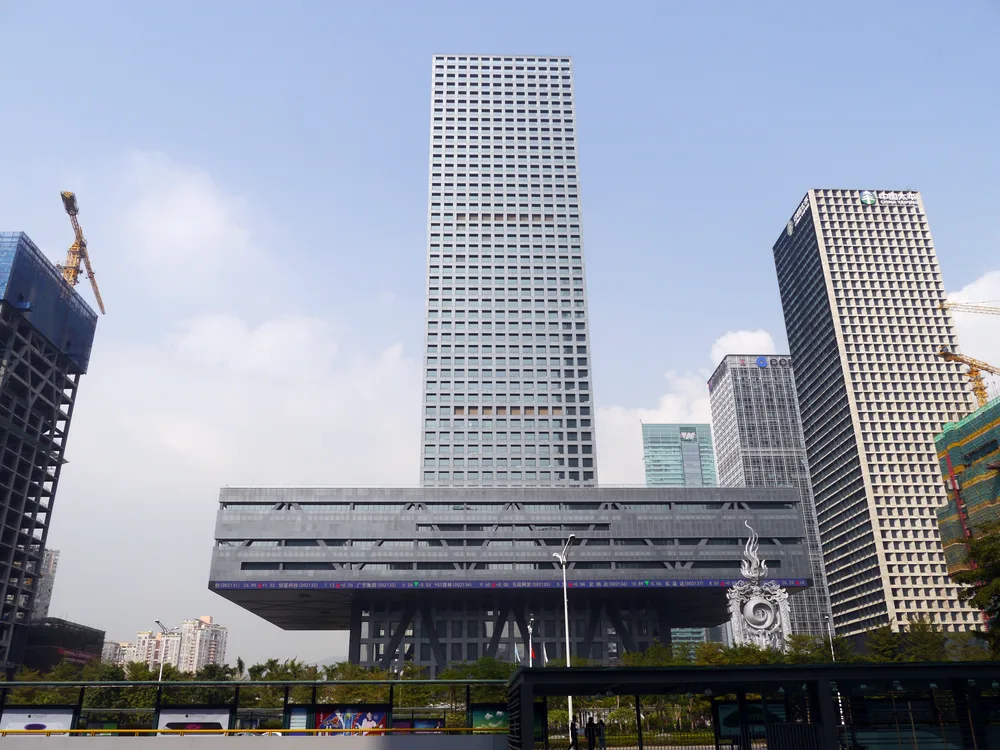
China’s private fortunes are recent: reforms from 1978 let private businesses operate again. Shanghai and Shenzhen opened stock exchanges in 1990, and the private sector first exceeded half of GDP in 2005.
In 2025, UBS said, new fortunes came from technology and many traditional sectors, mainly in the US and China. Zhang Yiming founded ByteDance in 2012; it developed Douyin, known internationally as TikTok. UBS noted that a 2025 Hong Kong listing made the founders of the Mixue ice-cream and tea chain billionaires.
India
Richest billionaire: Mukesh Ambani · Estimated net worth: US$86.3bn ·
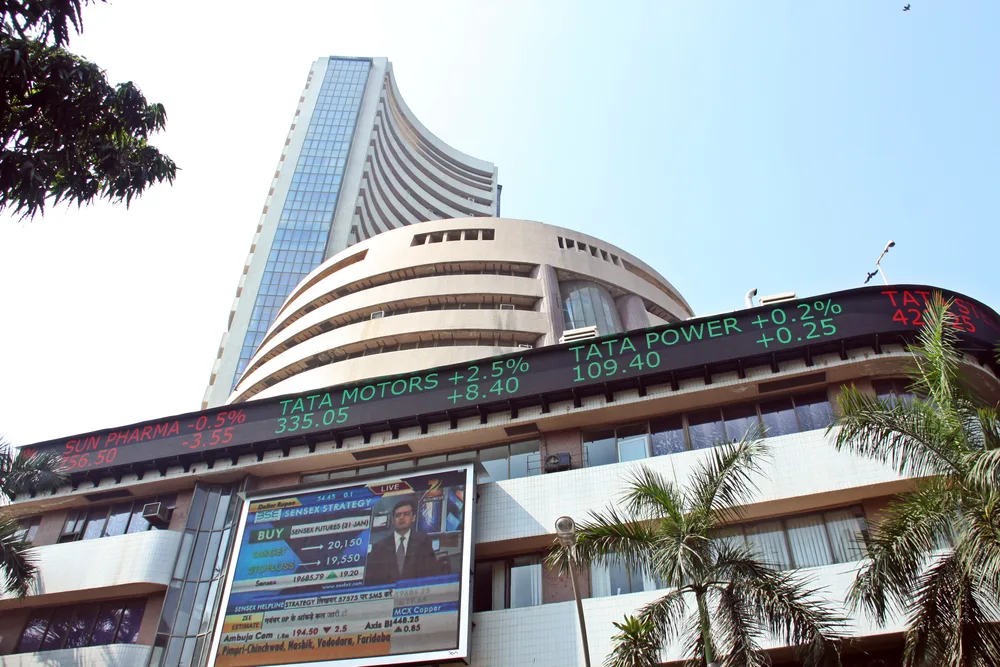
The Tata Group, India’s largest conglomerate, dates from 1868. After independence the Licence Raj required licences to set up or expand a business, and official inquiries found it favoured established business houses. Reforms from 1991 sharply reduced industrial licensing.
Reliance Industries, founded by Mukesh Ambani’s father, Dhirubhai, was India’s largest listed company by market value in 2025. UBS noted in 2025 that many Indian billionaires are over 70 and have children, so India’s heirs look set to inherit the most in Asia.
Germany
Richest billionaire: Dieter Schwarz · Estimated net worth: US$60.9bn ·
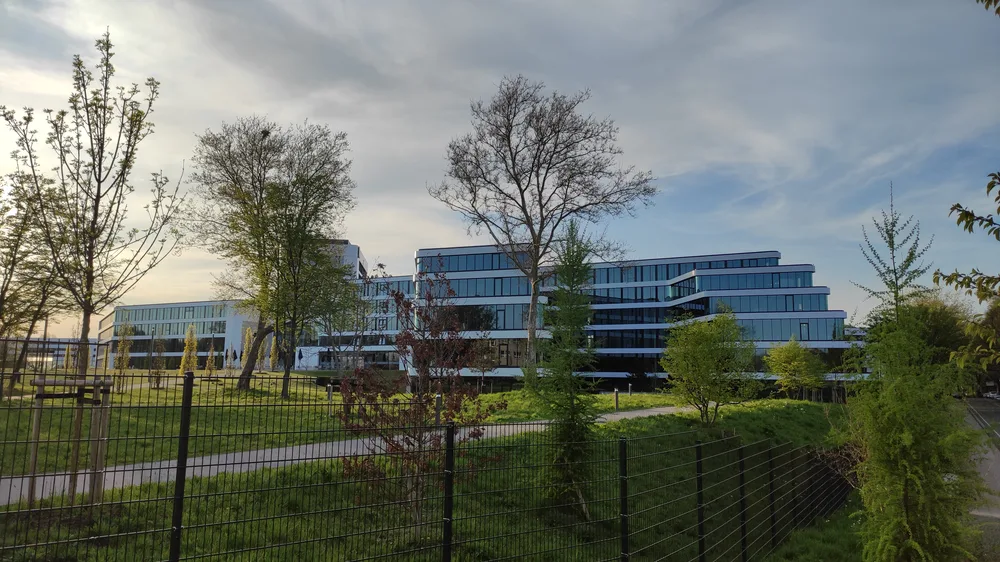
German industrialisation got under way in the 19th century, and by 1900 Germany had overtaken Britain in steel production. After the Second World War, Karl and Theo Albrecht built Aldi from their mother’s store in Essen. Dieter Schwarz opened his first Lidl discount store in 1973.
Aldi and the Schwarz Group, owned by Schwarz, are Europe’s largest retailers. Inheritance-tax rules from 2009 exempted 85% or 100% of qualifying business assets to protect family firms and jobs. In 2014 the Constitutional Court demanded tighter rules for large firms.
Russia
Richest billionaire: Alexey Mordashov & family · Estimated net worth: US$36.9bn ·
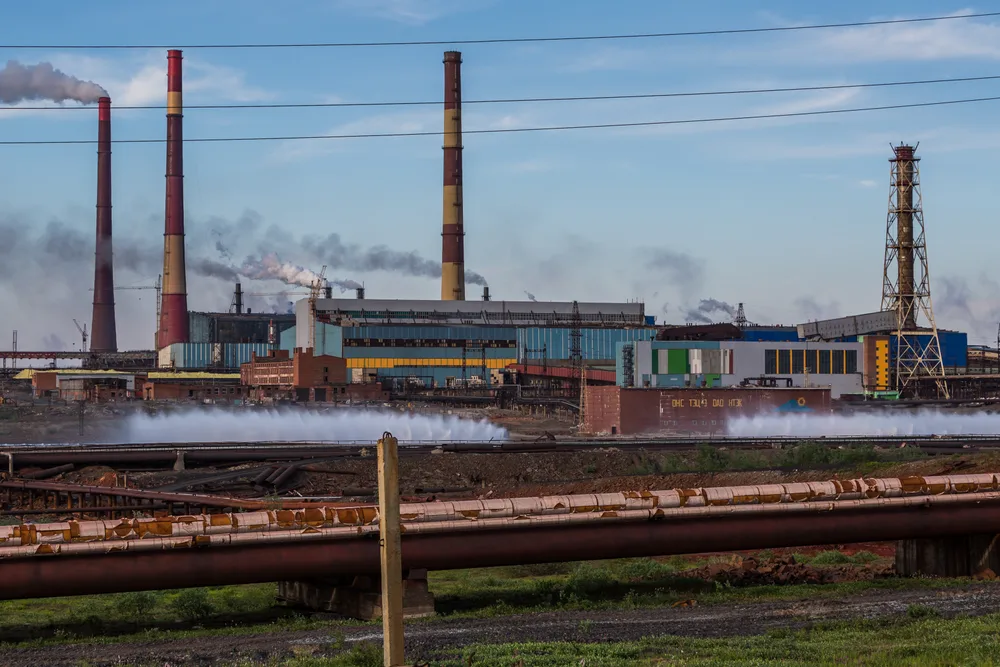
Private ownership of enterprises was essentially illegal in the Soviet Union. In the 1990s, privatisation transferred significant wealth to a small group of businessmen. In the 1995 loans-for-shares scheme, stakes in Norilsk Nickel, Yukos and other firms were effectively sold at very low prices.
Alexey Mordashov bought up workers’ shares in the Cherepovets steel plant as it was privatised, then built Severstal, Russia’s largest steel and mining company. The EU sanctioned him in 2022, as many countries sanctioned Russian businessmen over the war in Ukraine.
Italy
Richest billionaire: Giancarlo Devasini · Estimated net worth: US$89.3bn ·
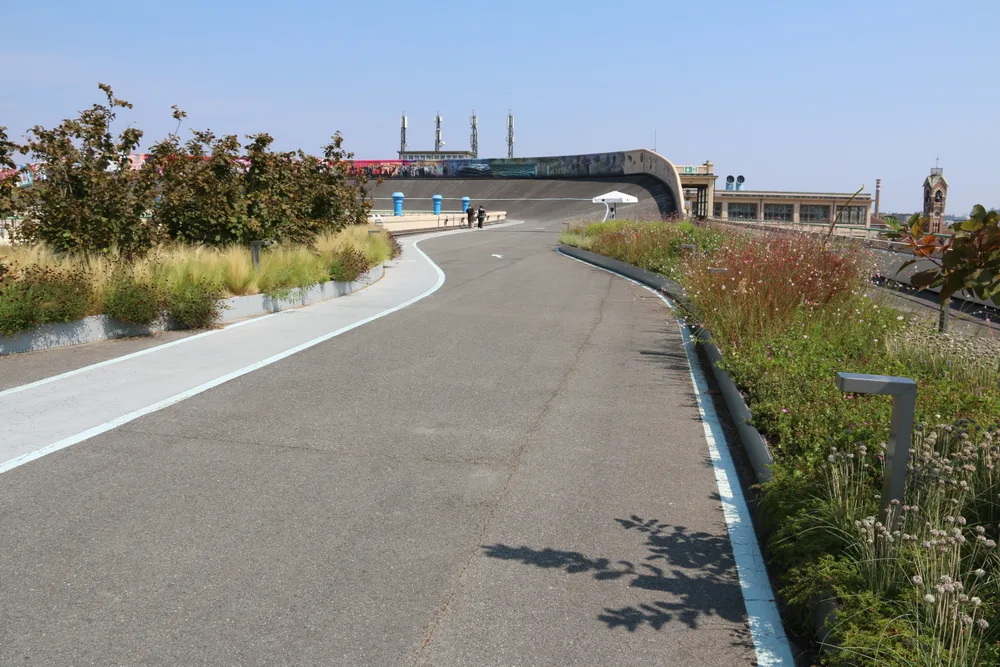
The Agnelli dynasty’s fortune traces back to Fiat, founded in Turin in 1899 by Giovanni Agnelli and other investors. Post-war Italy enjoyed spectacular growth until the strikes of 1969–70, and its north-east developed mostly around family-based firms.
A private Agnelli family company still controls the listed holding company Exor. Italy is also Europe’s largest hub for luxury goods. The richest Italian, Giancarlo Devasini co-owns the stablecoin issuer Tether. Reuters reported in 2025 that Tether’s co-founders were moving to El Salvador along with its headquarters.
Canada
Richest billionaire: Changpeng Zhao · Estimated net worth: US$114.6bn ·
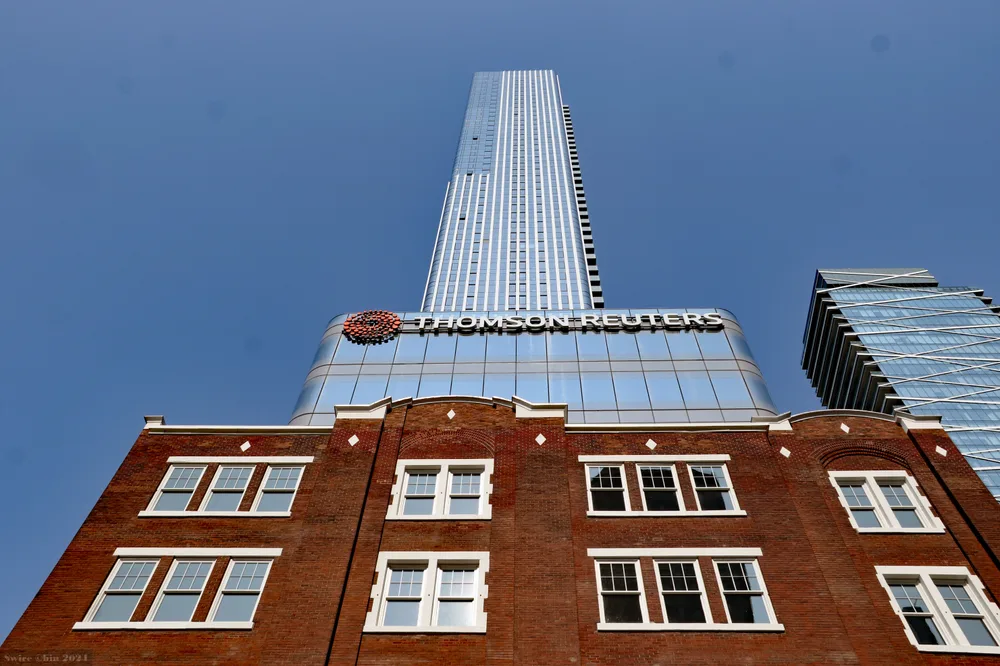
George Weston bought a Toronto bakery in 1884; his descendants built a group that now includes the Loblaws supermarket chain. Roy Thomson founded a newspaper business in Ontario in 1934 that grew into Thomson Reuters.
Both groups are still held through family companies; the Thomsons’ Woodbridge owned about 70% of Thomson Reuters’ shares in 2026. Changpeng Zhao, the richest, emigrated from China to Canada in 1989, co-founded the cryptocurrency exchange Binance and lives in Abu Dhabi. He holds Canadian and UAE citizenship.
Brazil
Richest billionaire: Eduardo Saverin · Estimated net worth: US$36bn ·
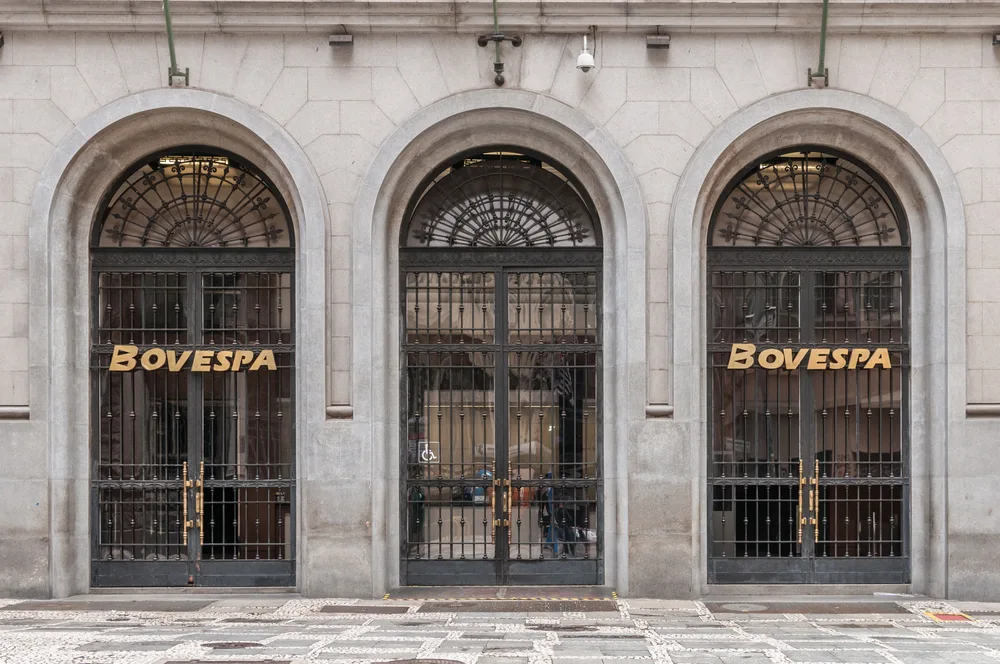
Banking and brewing built some of Brazil’s fortunes. In 1924 João Moreira Salles opened the banking house in Minas Gerais that became Unibanco. Jorge Paulo Lemann and his partners later bought the breweries that became AmBev.
Unibanco later merged into Itaú; the listed Itaú Unibanco is jointly controlled by holding companies of the Moreira Salles and Egydio de Souza Aranha families. Facebook co-founder Eduardo Saverin, the richest, was born in São Paulo. He has lived in Singapore since 2009 and renounced his US citizenship in 2012.
Hong Kong
Richest billionaire: Robin Zeng · Estimated net worth: US$53.8bn ·
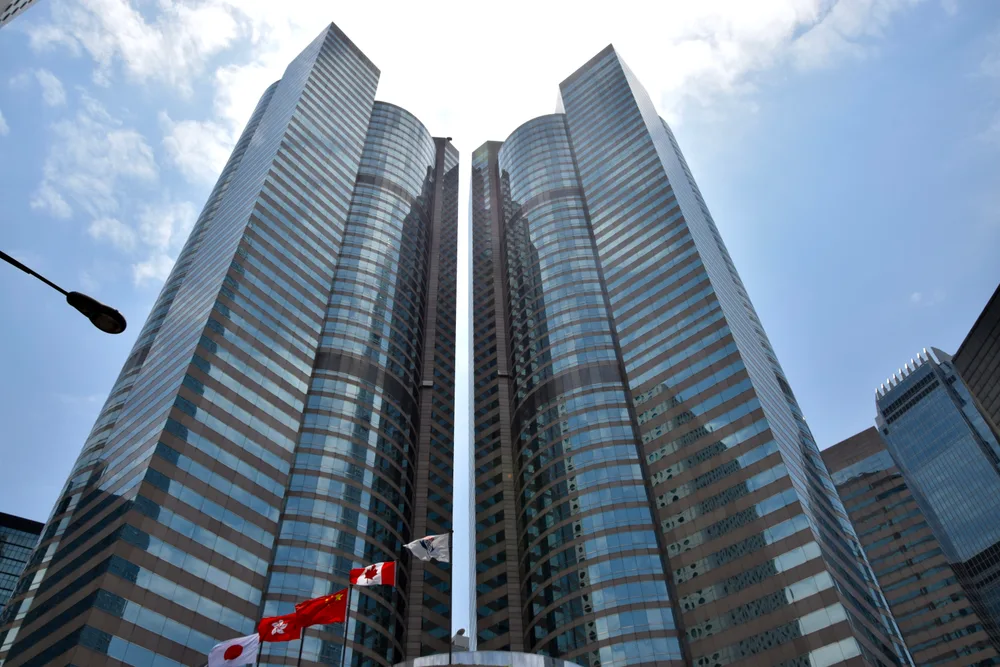
Shanghai industrialists who fled the communist takeover rebuilt fortunes in textiles and other light industries. Li Ka-shing, who arrived as a refugee in 1940, founded Cheung Kong as a plastics maker in 1950 and made it a leading property company.
Later arrivals include Robin Zeng, founder of the battery maker CATL, who gained Hong Kong residency in 2005 through the Quality Migrant Admission Scheme. In 2025 the city’s stock exchange led the world in IPO proceeds after a strong year of mainland listings.
Taiwan
Richest billionaire: Lin Tsung-Chi · Estimated net worth: US$17.3bn ·
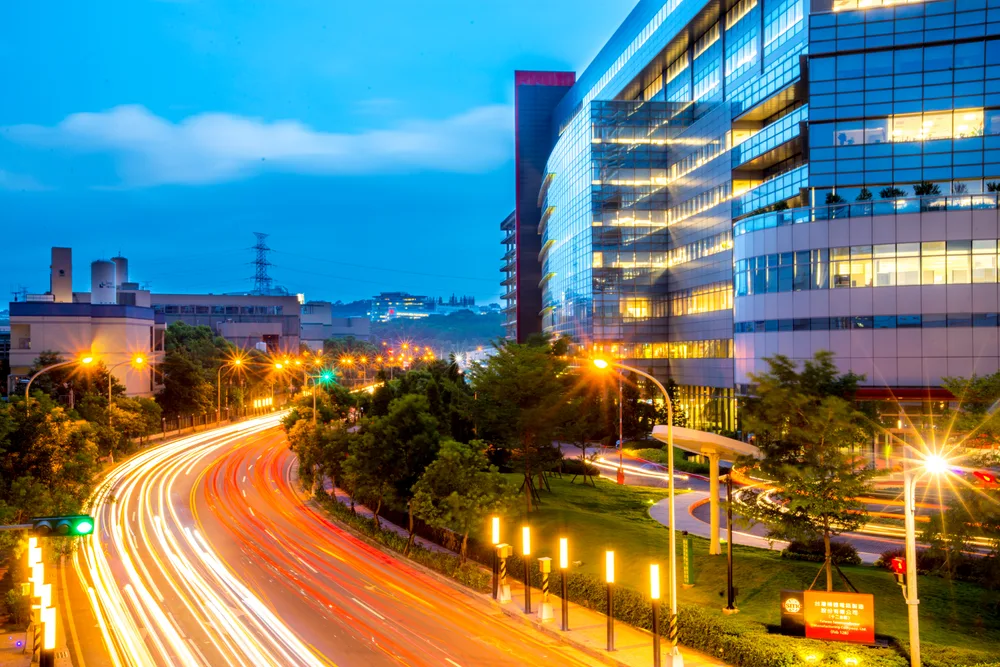
Taiwan was the first developing country to adopt an export-oriented trade strategy after the Second World War. Wang Yung-ching and his brother founded Formosa Plastics in 1954. The group that grew from it now spans petrochemicals and electronics.
Many of Taiwan’s richest people founded electronics companies, including Quanta Computer, Foxconn and TSMC. Taiwan News reported in October 2026 that the AI boom and tech stock gains had driven their wealth. Lin Tsung-chi founded King Slide Works, a server-rail maker whose sales have been driven by investment in AI infrastructure.
The ranking continues: 11–48
Forbes · ranking and methodology
- Number of billionaires: 57
- Number of billionaires: 57
- Number of billionaires: 54
- Number of billionaires: 53
- Number of billionaires: 50
- Number of billionaires: 50
- Number of billionaires: 45
- Number of billionaires: 43
Switzerland
Richest billionaire: Rafaela Aponte-Diamant · Estimated net worth: US$45.4bnView record ↗Number of billionaires: 41- Number of billionaires: 41
- Number of billionaires: 34
- Number of billionaires: 31
- Number of billionaires: 25
- Number of billionaires: 24
- Number of billionaires: 21
- Number of billionaires: 21
- Number of billionaires: 17
- Number of billionaires: 16
Netherlands
Richest billionaire: Jean-Louis van der Velde · Estimated net worth: US$38bnView record ↗Number of billionaires: 14- Number of billionaires: 13
- Number of billionaires: 13
Czechia
Richest billionaire: Renata Kellnerova & family · Estimated net worth: US$19.9bnView record ↗Number of billionaires: 12Saudi Arabia
Richest billionaire: Prince Alwaleed Bin Talal Alsaud · Estimated net worth: US$25.4bnView record ↗Number of billionaires: 11- Number of billionaires: 11
- Number of billionaires: 9
- Number of billionaires: 8
- Number of billionaires: 8
South Africa
Richest billionaire: Johann Rupert & family · Estimated net worth: US$16.3bnView record ↗Number of billionaires: 8United Arab Emirates
Richest billionaire: Hussain Sajwani · Estimated net worth: US$15.3bnView record ↗Number of billionaires: 8- Number of billionaires: 8
- Number of billionaires: 7
- Number of billionaires: 7
- Number of billionaires: 7
- Number of billionaires: 6
- Number of billionaires: 6
- Number of billionaires: 6
- Number of billionaires: 6
- Number of billionaires: 6
There is always a story.
The ranking shows where the largest private fortunes sit by citizenship, not where they were made or are spent. Of the 81 countries and territories in Forbes’ data on 12 September 2026, 48 had five billionaires or more.