Retail turns individual purchases into an enormous flow of business. A shopping basket, an online order or a visit to a specialist store may seem small in isolation. Repeated across millions of customers, those transactions support some of the world’s most valuable companies.
The source’s retail category includes different ways of selling and different mixes of business activity. This ranking compares their equity values at capture. It does not rank annual sales, the price of their products or the number of shops they operate.
High sales do not guarantee high margins
Revenue records what customers spend with a business; it does not describe how much remains after the costs of products, people, property and delivery. Retail models with similar sales can produce different results. A market-capitalisation ranking reflects expectations about the business as a whole rather than simply the size of its till receipts.
The shopfront may be digital
An online marketplace, a supermarket chain and a specialist retailer connect buyers and goods in different ways. Some carry inventory, some provide space for other sellers, and some mix those approaches. The category boundary is the data provider’s, so a group can appear here even if other activities contribute to its value.
A customer habit can become a durable asset
Convenience, selection, price and familiarity can all bring a shopper back. But a ranking cannot isolate which of those explains a company’s valuation. The table provides a scale comparison; the linked entity record identifies the business whose shares are being measured.
What this snapshot shows
Amazon leads this captured list at approximately US$2.77tn. The entry at number 100, Jarir, is approximately US$5.16bn. The first ten account for 77.6% of the sum of the hundred reported values. That share is calculated within this list; it is not a share of the entire economy.
The first ten
Amazon
Listing symbol: AMZN ·

Amazon’s storefront is the most visible part of a business that also supplies cloud computing, advertising, entertainment and logistics. The online bookseller founded in 1994 grew into a marketplace where outside merchants sell alongside Amazon’s own retail operations.
Amazon Web Services adds a different kind of customer relationship: organisations pay for computing infrastructure rather than physical products. That combination is why a retail-sector appearance should not be mistaken for a valuation of the shopping website alone.
Walmart
Listing symbol: WMT ·
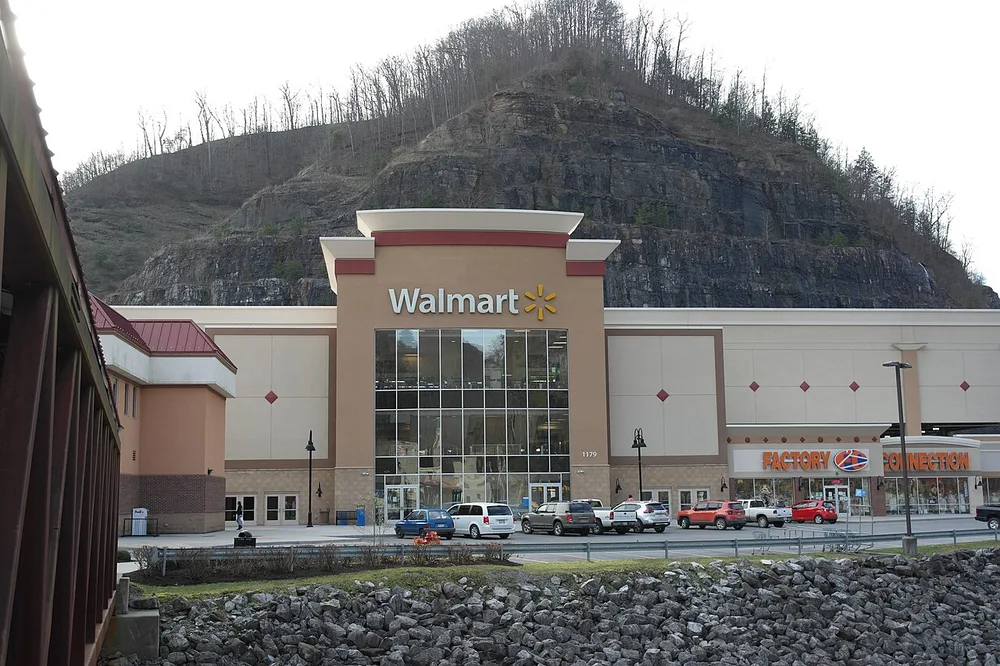
Walmart combines a large store network with online retail and distribution operations. Groceries, household goods and other everyday purchases create frequent customer relationships, while Sam’s Club adds a membership-based warehouse format to the group.
The scale of the logistics behind an ordinary shopping trip is central to the story. The equity value shown here belongs to the parent retailer; it is a different measure from annual sales, which can pass through the business many times over as stock is purchased and sold.
Costco
Listing symbol: COST ·
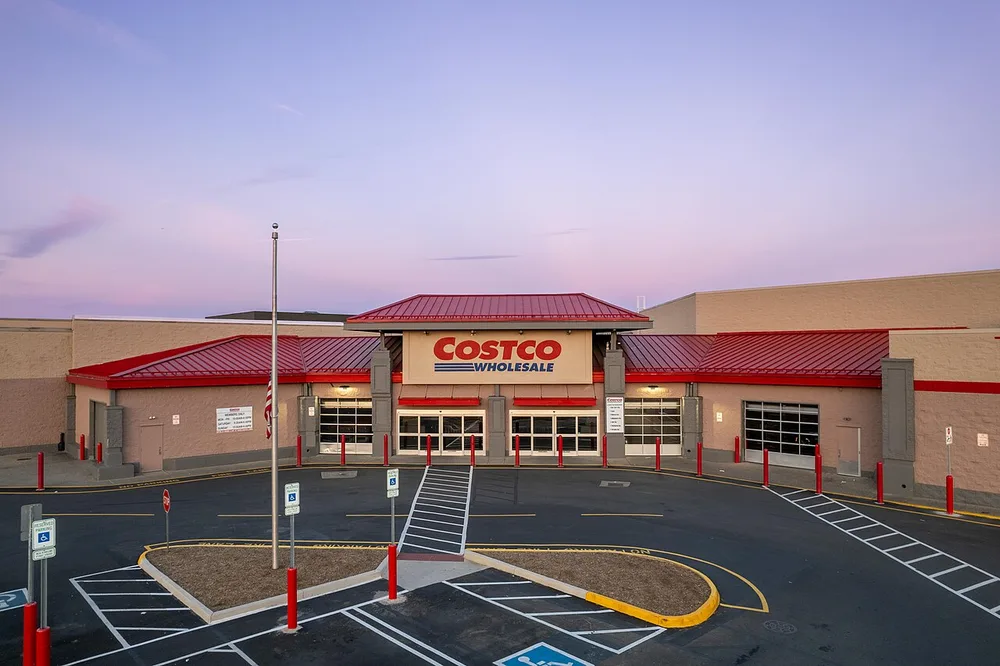
Costco’s warehouse clubs combine a relatively focused product selection with membership fees and large-format shopping. Pallets, bulk packs and the Kirkland Signature brand are recognisable parts of an approach designed around value and repeat visits.
Membership makes its relationship with customers different from a conventional supermarket’s. The company’s market value reflects the wider operating model, including the appeal of renewing that membership, rather than simply the volume of products on warehouse shelves.
Home Depot
Listing symbol: HD ·
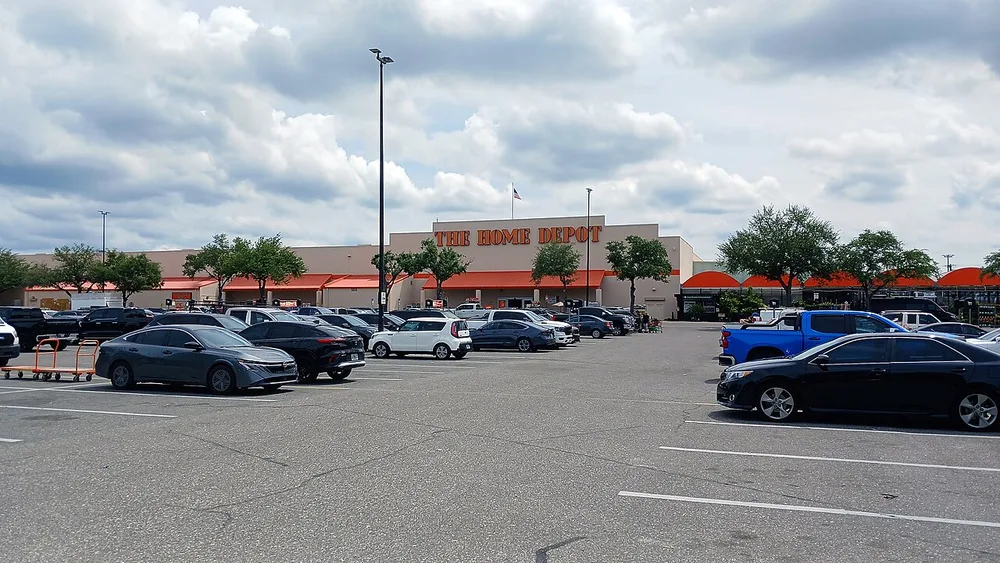
Home Depot serves people improving their homes alongside tradespeople and professional customers. Tools, building materials, appliances and related services bring together purchases that can range from a small repair to a substantial project.
That mix connects the retailer to both routine maintenance and larger construction and renovation activity. Its familiar warehouse-style stores are part of a wider supply and service operation, and the market value concerns the company behind them rather than the homes being worked on.
Alibaba
Listing symbol: BABA ·

Alibaba connects merchants and customers through a collection of marketplaces and other technology businesses. Taobao and Tmall are prominent consumer-facing names, while wholesale, cloud computing and other services broaden the group’s activities beyond a single shopping destination.
A marketplace does not operate in exactly the same way as a retailer that buys and owns all the stock it sells. Alibaba’s position therefore reflects a group combining transaction platforms and services, with the listed parent providing the boundary for this valuation.
Inditex
Listing symbol: ITX.MC ·

Inditex is the Spanish fashion group behind Zara and other clothing brands. Its business connects design, sourcing, logistics, stores and online sales, with the aim of matching products to changing customer demand across different markets.
The group’s name is less familiar to many shoppers than the brands on its storefronts. That makes this entry a reminder to look at the parent: the market value represents the collection of businesses, rather than Zara alone or the retail price of a season’s clothing.
TJX Companies
Listing symbol: TJX ·
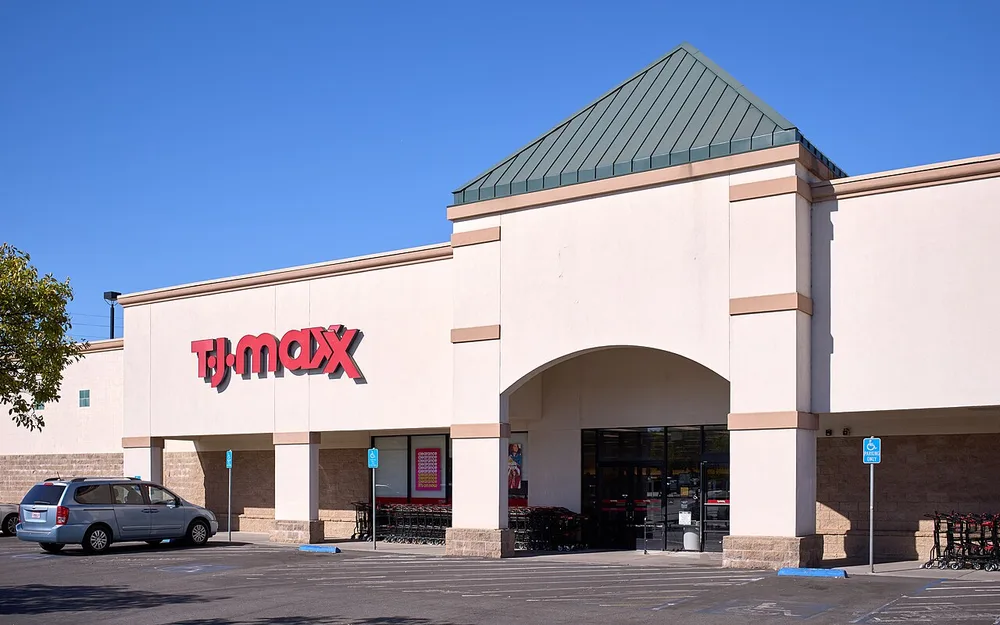
TJX operates off-price retail chains including TJ Maxx, TK Maxx, Marshalls and HomeGoods. A changing selection of branded clothing and home products creates a shopping experience in which the available deal can be part of the attraction.
Buying merchandise and maintaining that changing assortment are central to the model. The parent’s market value combines several store brands and geographic businesses, so the name above may be less familiar than the shop a reader visits locally.
Fast Retailing
Listing symbol: 9983.T ·
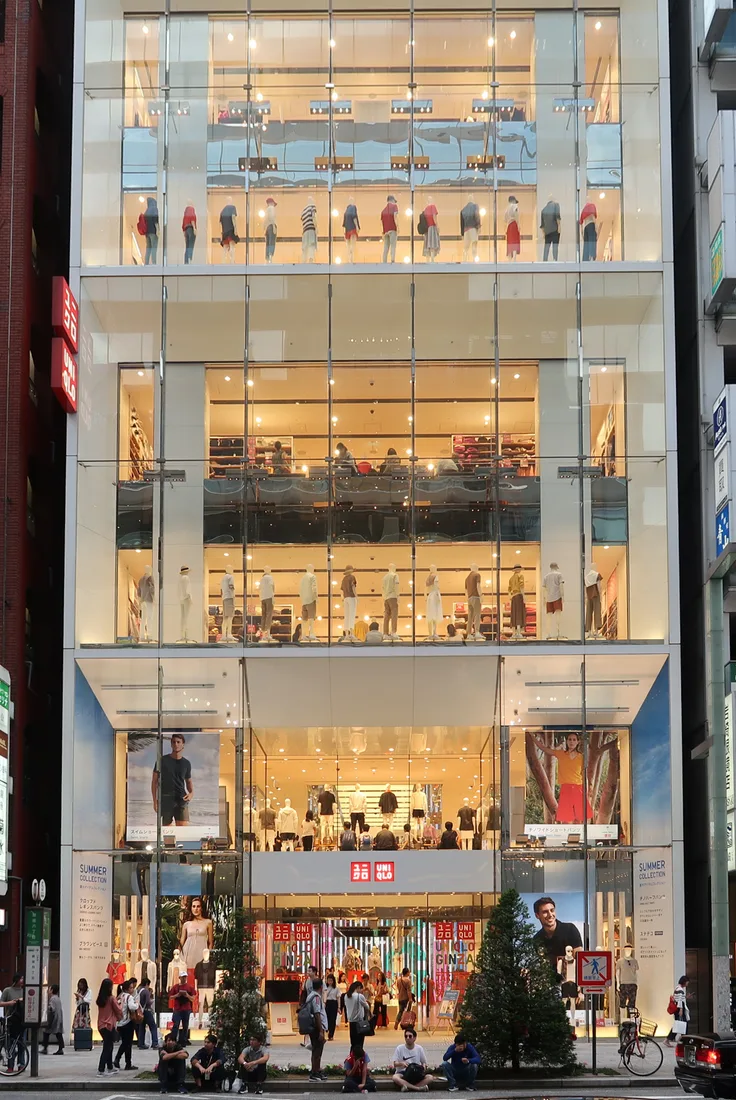
Fast Retailing is the Japanese parent of Uniqlo, GU and other apparel businesses. Uniqlo’s identity centres on everyday clothing and fabric-led product lines, giving the group a different public character from fashion retailers built around a rapid succession of seasonal looks.
The listed company brings several brands and markets together. Its value therefore concerns the organisation behind the clothing, including product development and distribution, rather than the price of any particular range on display in a store.
CVS Health
Listing symbol: CVS ·
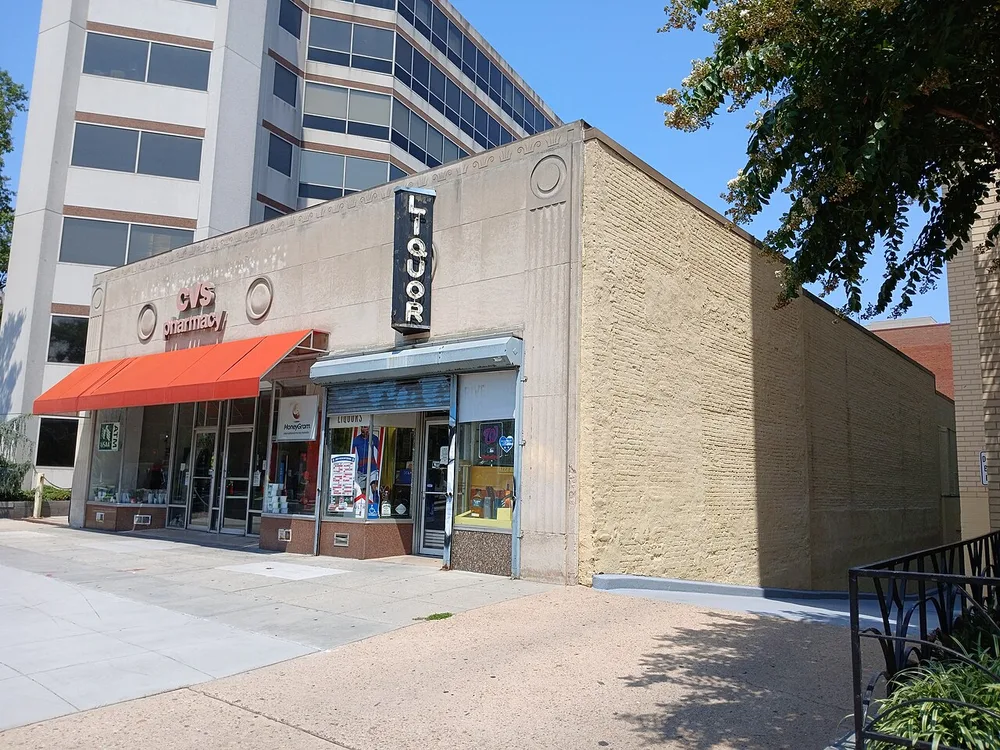
CVS Health includes the CVS Pharmacy retail chain, pharmacy-benefit management through Caremark and health insurance through Aetna. A neighbourhood pharmacy is the most visible part of a business that also operates behind prescriptions and the financing of healthcare.
This breadth explains why its appearance in a retail ranking needs context. The company’s market value does not isolate shop sales; it values a parent whose healthcare activities extend well beyond the counter where a customer collects a prescription.
Lowe's Companies
Listing symbol: LOW ·
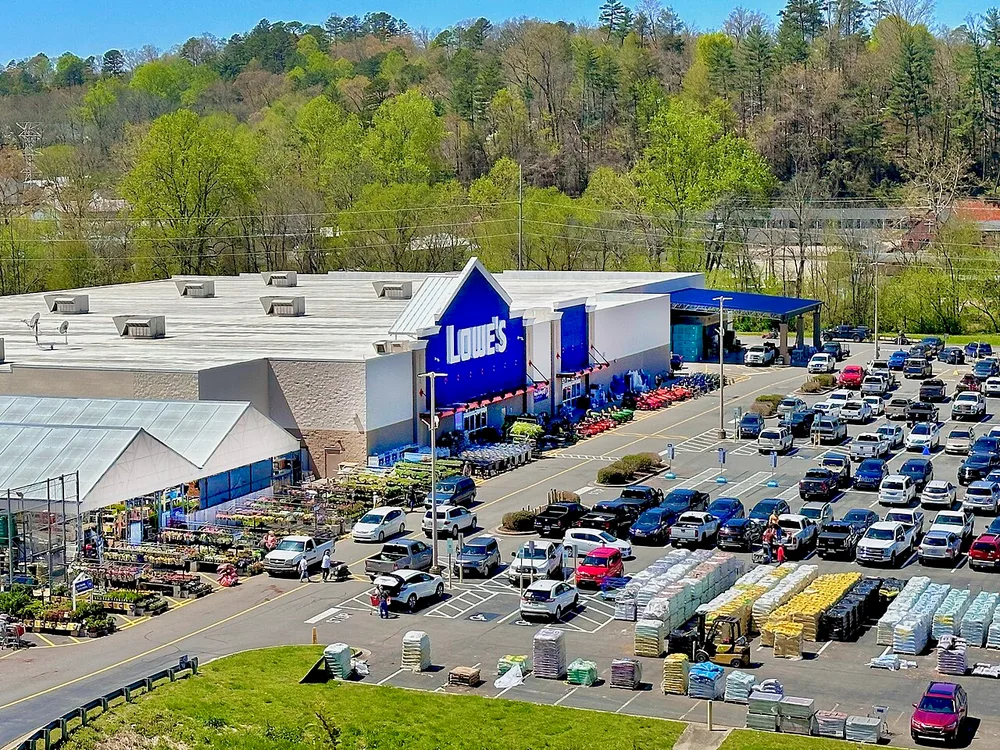
Lowe’s supplies home-improvement products, appliances and services to household and professional customers. Its stores support projects that range from gardening and decoration to repairs and more substantial renovation work.
The business depends on having useful stock, advice and fulfilment available when a project needs them. Its place beside other retailers shows the scale of spending connected to maintaining and improving buildings, while the equity figure values the retailer rather than the construction work carried out by its customers.
The ranking continues: 11–100
CompaniesMarketCap · ranking and methodology
- Market capitalisation: US$74,017,030,144.00
- Market capitalisation: US$70,793,060,352.00
- Market capitalisation: US$59,334,877,607.00
- Market capitalisation: US$53,301,785,490.00
- Market capitalisation: US$51,079,615,952.00
- Market capitalisation: US$47,589,470,208.00
- Market capitalisation: US$46,322,421,760.00
- Market capitalisation: US$39,214,959,925.00
- Market capitalisation: US$36,544,528,384.00
- Market capitalisation: US$35,833,741,312.00
- Market capitalisation: US$34,247,145,716.00
- Market capitalisation: US$33,788,298,980.00
- Market capitalisation: US$31,213,752,216.00
- Market capitalisation: US$29,621,254,052.00
- Market capitalisation: US$27,484,438,528.00
- Market capitalisation: US$27,178,377,216.00
- Market capitalisation: US$27,068,303,207.00
- Market capitalisation: US$26,645,182,464.00
- Market capitalisation: US$25,177,759,350.00
- Market capitalisation: US$23,988,022,267.00
- Market capitalisation: US$23,378,931,712.00
- Market capitalisation: US$22,676,913,010.00
- Market capitalisation: US$22,393,755,360.00
- Market capitalisation: US$22,172,272,640.00
- Market capitalisation: US$19,226,429,440.00
- Market capitalisation: US$19,043,274,752.00
- Market capitalisation: US$17,199,534,080.00
- Market capitalisation: US$16,926,797,362.00
- Market capitalisation: US$16,004,255,754.00
- Market capitalisation: US$15,640,884,443.00
- Market capitalisation: US$15,015,344,128.00
- Market capitalisation: US$14,681,553,157.00
- Market capitalisation: US$14,177,270,784.00
- Market capitalisation: US$14,124,361,316.00
- Market capitalisation: US$13,500,942,336.00
- Market capitalisation: US$13,466,217,472.00
- Market capitalisation: US$13,357,545,208.00
- Market capitalisation: US$13,307,400,419.00
- Market capitalisation: US$12,986,295,008.00
- Market capitalisation: US$12,890,959,278.00
- Market capitalisation: US$12,297,696,766.00
- Market capitalisation: US$11,920,177,486.00
- Market capitalisation: US$11,556,530,176.00
- Market capitalisation: US$11,067,498,496.00
- Market capitalisation: US$10,956,971,008.00
- Market capitalisation: US$10,670,195,712.00
- Market capitalisation: US$10,607,887,050.00
- Market capitalisation: US$10,607,572,753.00
- Market capitalisation: US$10,515,089,800.00
- Market capitalisation: US$10,390,430,560.00
- Market capitalisation: US$10,331,649,466.00
- Market capitalisation: US$10,161,546,240.00
- Market capitalisation: US$10,150,795,851.00
- Market capitalisation: US$9,990,934,763.00
- Market capitalisation: US$9,905,252,352.00
- Market capitalisation: US$9,793,638,783.00
- Market capitalisation: US$9,623,582,720.00
- Market capitalisation: US$9,314,539,577.00
- Market capitalisation: US$8,421,524,602.00
- Market capitalisation: US$7,955,639,856.00
- Market capitalisation: US$7,899,845,263.00
- Market capitalisation: US$7,870,394,880.00
- Market capitalisation: US$7,559,613,570.00
- Market capitalisation: US$7,555,821,056.00
- Market capitalisation: US$7,359,306,459.00
- Market capitalisation: US$7,209,108,902.00
- Market capitalisation: US$7,123,855,659.00
- Market capitalisation: US$6,979,351,685.00
- Market capitalisation: US$6,784,697,344.00
- Market capitalisation: US$6,731,177,472.00
- Market capitalisation: US$6,674,739,665.00
- Market capitalisation: US$6,330,447,169.00
- Market capitalisation: US$6,324,457,187.00
- Market capitalisation: US$6,321,720,361.00
- Market capitalisation: US$6,228,805,444.00
- Market capitalisation: US$6,162,744,320.00
- Market capitalisation: US$6,083,597,312.00
- Market capitalisation: US$6,034,149,888.00
- Market capitalisation: US$5,967,831,120.00
- Market capitalisation: US$5,929,485,312.00
- Market capitalisation: US$5,886,767,809.00
- Market capitalisation: US$5,862,734,336.00
- Market capitalisation: US$5,780,544,000.00
- Market capitalisation: US$5,639,246,336.00
- Market capitalisation: US$5,486,616,402.00
- Market capitalisation: US$5,304,792,142.00
- Market capitalisation: US$5,274,851,352.00
- Market capitalisation: US$5,271,286,272.00
- Market capitalisation: US$5,250,427,404.00
- Market capitalisation: US$5,163,626,573.00
There is always a story.
Retail’s extraordinary numbers begin with ordinary transactions. These hundred market values show the scale of the companies behind them, while their different ways of selling keep the ranking from being a simple contest of who has the most stores.