A new medicine can take many years and large sums to develop, and most candidates fail before they reach patients. The companies that succeed can earn substantial revenue while their products are protected by patents. Those economics shape how investors value the businesses in this list.
The ranking uses CompaniesMarketCap’s pharmaceutical category on 14 October 2026. The category is drawn broadly. Established drug makers appear beside biotechnology companies, makers of generic medicines and some laboratory, research and pharmacy businesses, all ordered by the market value of their shares.
Patents set the clock
A patent gives a company a limited period in which competitors cannot copy a medicine. When it expires, cheaper generic versions can follow and sales of the original often fall. Investors therefore look closely at when protection on today’s best-selling products ends, as well as at the products themselves.
A pipeline is a set of probabilities
Medicines still in development are valued according to their chance of approval and their potential sales. A positive trial result can add billions of dollars to a company’s market value in a day. A failure can remove as much just as quickly. The figures here capture expectations at one moment, including hopes for products that are not yet approved.
Health systems set many prices
In many countries governments or insurers negotiate or regulate what they pay for medicines. Changes to those rules can affect the revenue a company expects even when its products and patents are unchanged. A market-value ranking reflects those expectations without separating them from scientific success.
What this snapshot shows
Eli Lilly leads this captured list at approximately US$1.08tn. The entry at number 100, Kymera Therapeutics, is approximately US$8.79bn. The first ten account for 58.9% of the sum of the hundred reported values. That share is calculated within this list; it is not a share of the whole pharmaceutical industry.
The first ten
Eli Lilly
Listing symbol: LLY ·
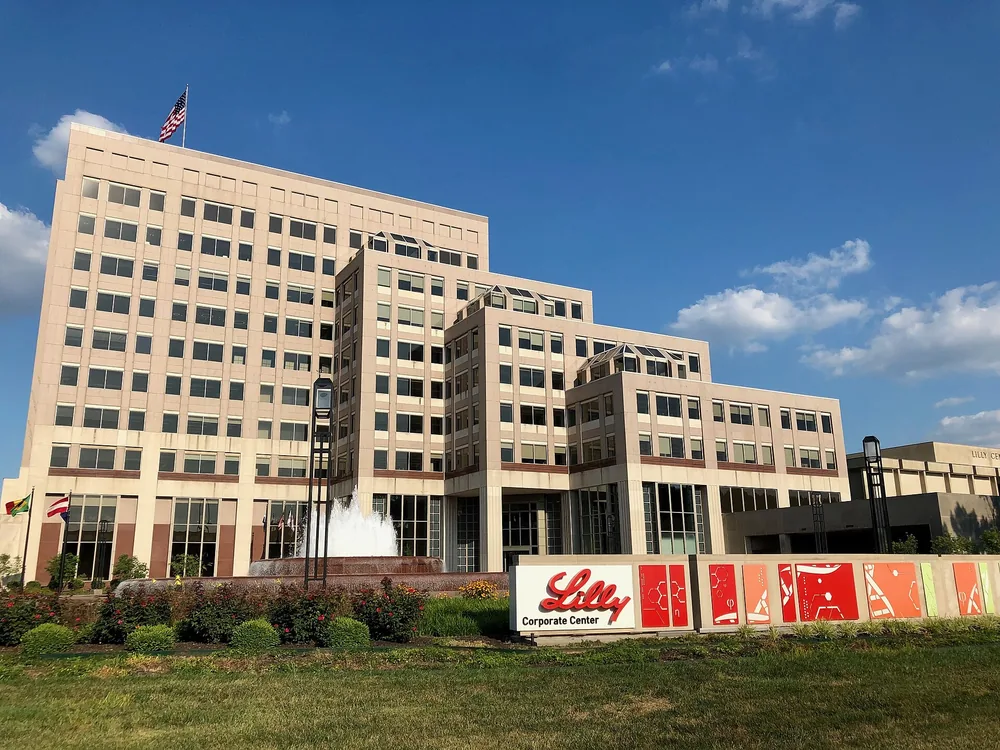
Eli Lilly and Company was founded in Indianapolis in 1876 by Eli Lilly, a pharmaceutical chemist and American Civil War veteran. It was the first company to mass-produce insulin and the polio vaccine. Later successes included the antidepressant Prozac.
Its largest product today is tirzepatide, sold as Mounjaro and Zepbound for type 2 diabetes and weight loss. It provided 56% of revenue in 2025. The Lilly Endowment, a foundation set up by the Lilly family in 1937, still owns almost 10% of the company.
Johnson & Johnson
Listing symbol: JNJ ·
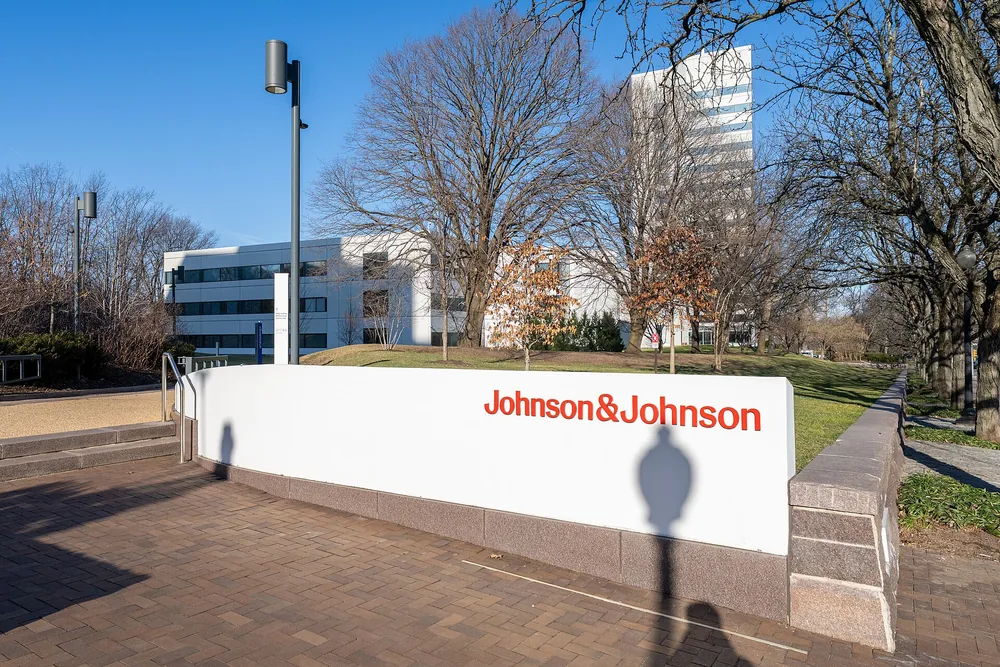
Johnson & Johnson was founded in 1886 by three brothers who made ready-to-use sterile surgical dressings. It is still headquartered in New Brunswick, New Jersey, where it opened its first factory. Band-Aid and Tylenol made it familiar to consumers, and buying Janssen Pharmaceuticals in 1961 expanded its medicines business.
In 2023 it separated its consumer health brands into Kenvue, selling its remaining stake in 2024. The group now has two divisions: Innovative Medicine, which provided 64% of 2025 revenue, and MedTech.
AbbVie
Listing symbol: ABBV ·
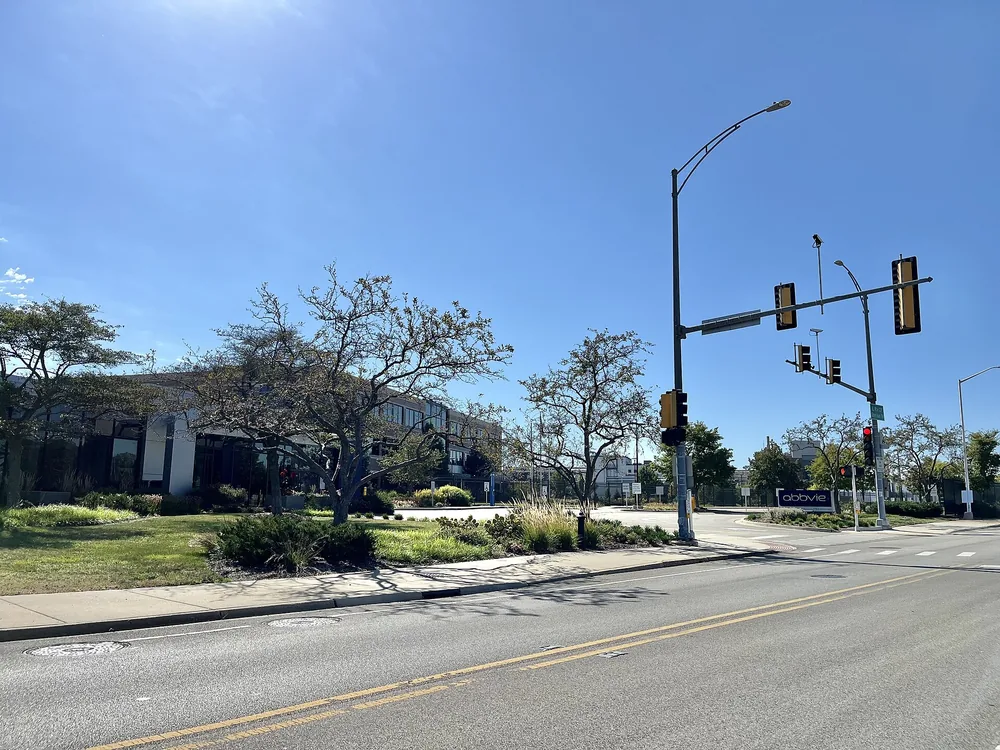
AbbVie was spun off from Abbott Laboratories and listed in January 2013. Based in North Chicago, Illinois, it makes medicines for autoimmune diseases, cancer and psychiatric conditions. Its acquisition of Allergan, announced in 2019, brought Botox.
Humira, an injected treatment for conditions such as rheumatoid arthritis and Crohn’s disease, has been one of its major products. It began facing competition from biosimilars in January 2023. By 2024 Skyrizi, a newer autoimmune medicine, was bringing in more revenue than Humira.
Merck
Listing symbol: MRK ·
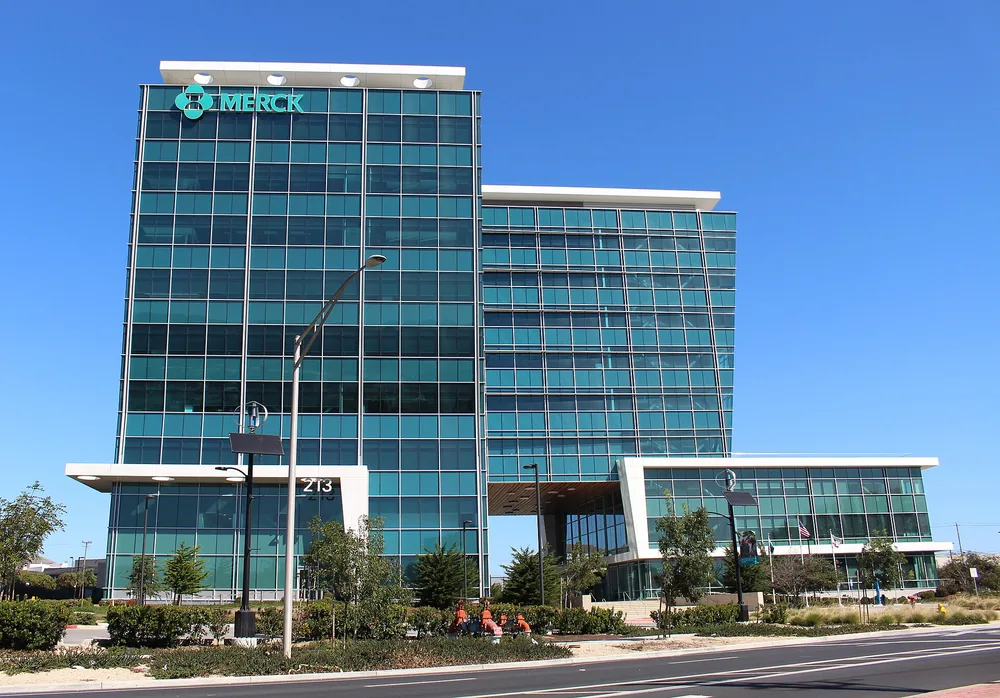
Merck & Co. was the American subsidiary of Germany’s Merck Group from 1891 until 1917, when it was expropriated during the First World War. The two companies still dispute the Merck name in several countries. Outside the US and Canada, it trades as MSD.
Based in Rahway, New Jersey, it earns its revenue mainly from cancer treatments, vaccines and animal health products. In 2024 the cancer drug Keytruda alone provided 46% of revenue, the HPV vaccine Gardasil 13% and animal health 9%.
Roche
Listing symbol: RO.SW ·
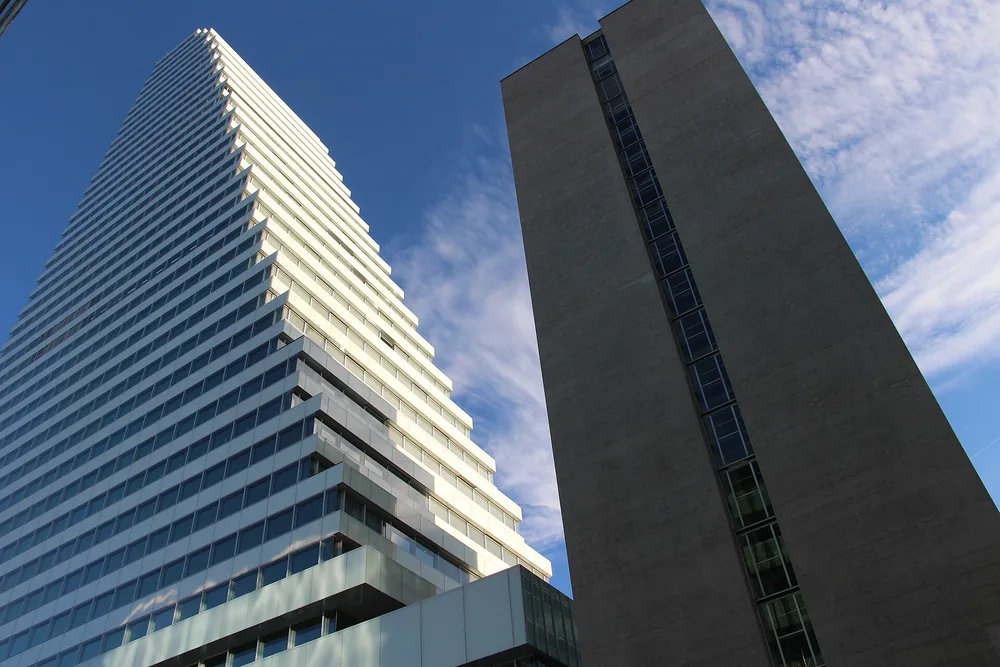
Roche was founded in 1896 by Fritz Hoffmann-La Roche and was known early on for vitamin preparations. It later introduced benzodiazepine tranquillisers, including Valium. Based in Basel, it has Pharmaceuticals and Diagnostics divisions and is the world’s leading provider of cancer treatments.
Roche held a majority stake in the American biotech company Genentech from 1990 and bought the rest in 2009. Japan’s Chugai is also part of the group. A pool of descendants of the founding Hoffmann and Oeri families holds about 65% of the voting shares.
Novartis
Listing symbol: NVS ·
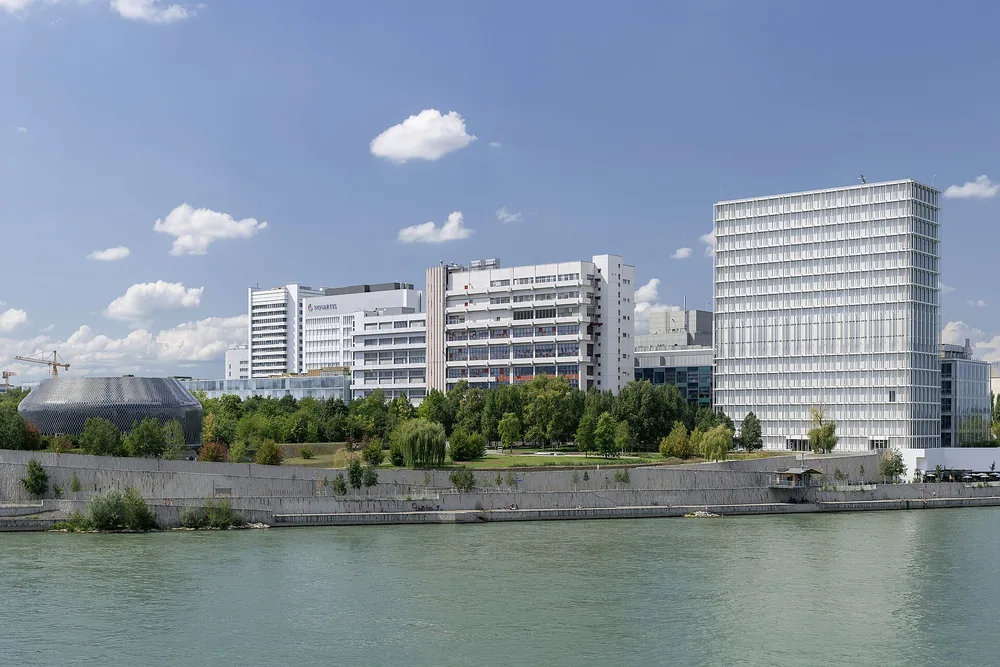
Novartis was created in 1996 by the merger of two Swiss companies, Ciba-Geigy and Sandoz, then regarded as the largest corporate merger in history. Its name comes from the Latin novae artes, meaning new skills. Based in Basel, it sells medicines including the cancer drug Glivec.
It has since narrowed its focus. It spun off its agrochemical business as part of Syngenta in 2000, its eye-care company Alcon in 2019 and its Sandoz generics business in 2023. That left a company concentrated on innovative medicines.
AstraZeneca
Listing symbol: AZN ·
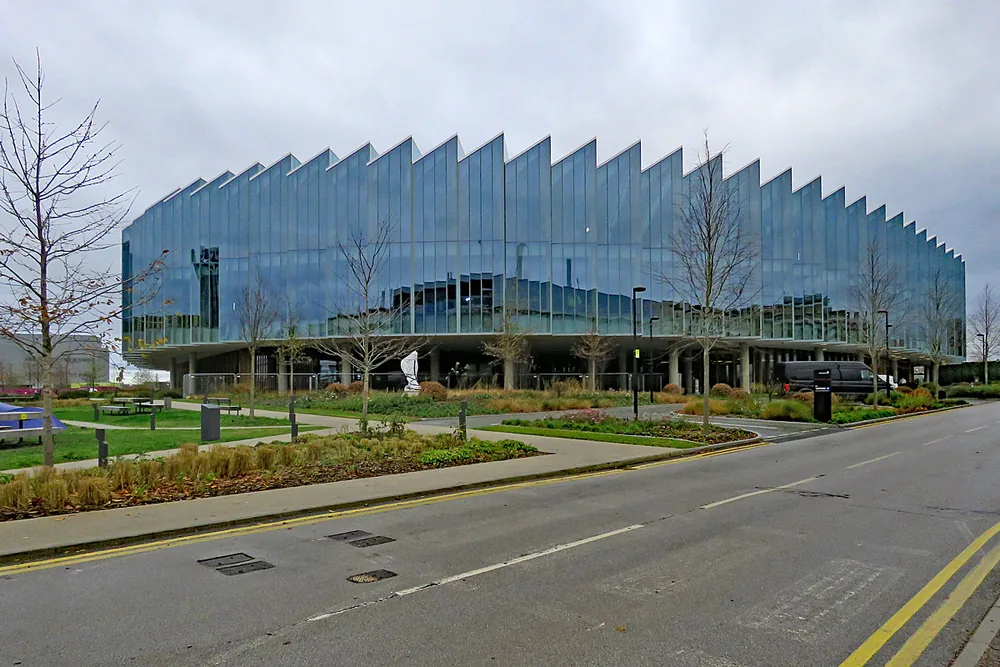
AstraZeneca was formed in 1999 by the merger of Sweden’s Astra and Britain’s Zeneca, which had been separated from Imperial Chemical Industries in 1993. Headquartered in Cambridge, England, it makes medicines for cancer and for cardiovascular, respiratory and other conditions.
Acquisitions including MedImmune in 2007 and Alexion in 2021 have broadened its range. During the pandemic it worked with the University of Oxford on a COVID-19 vaccine, approved for emergency use in the UK at the end of 2020.
Amgen
Listing symbol: AMGN ·
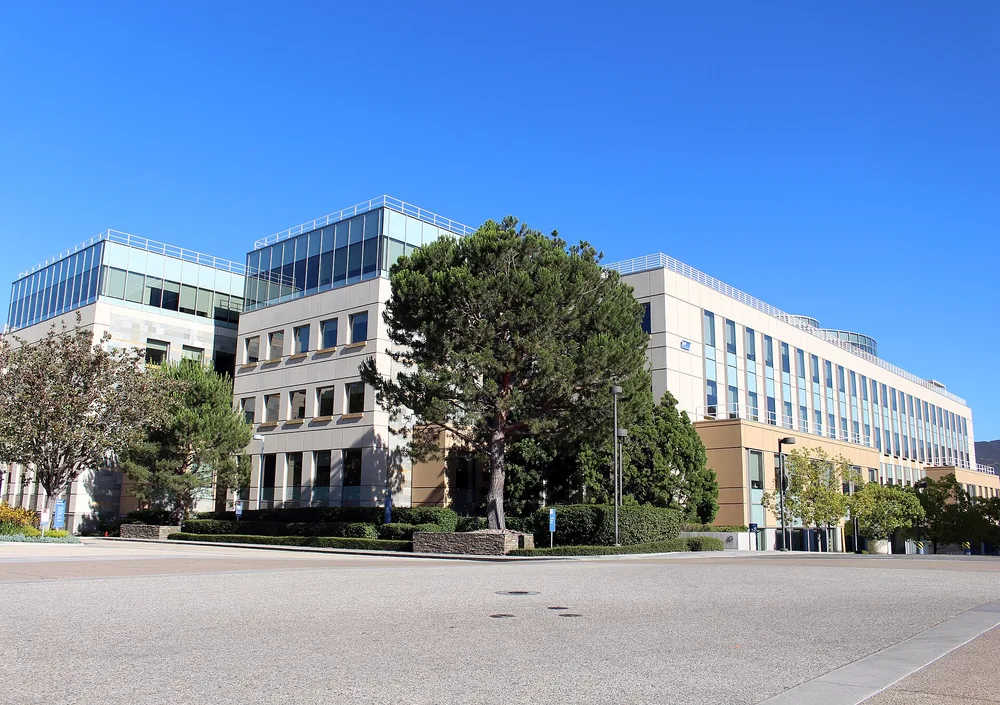
Amgen was founded in Thousand Oaks, California, in 1980 as Applied Molecular Genetics. Its scientists cloned the gene for erythropoietin, a protein that stimulates red blood cell production. That led to Epogen, approved in 1989, and Neupogen, which helps protect chemotherapy patients from infection, followed in 1991.
Its medicines treat osteoporosis, high blood lipids, autoimmune diseases and cancer, and the 2023 purchase of Horizon Therapeutics added rare-disease drugs. Prolia and Repatha were its largest sellers in 2025, and its pipeline includes the once-monthly obesity injection MariTide.
Gilead Sciences
Listing symbol: GILD ·
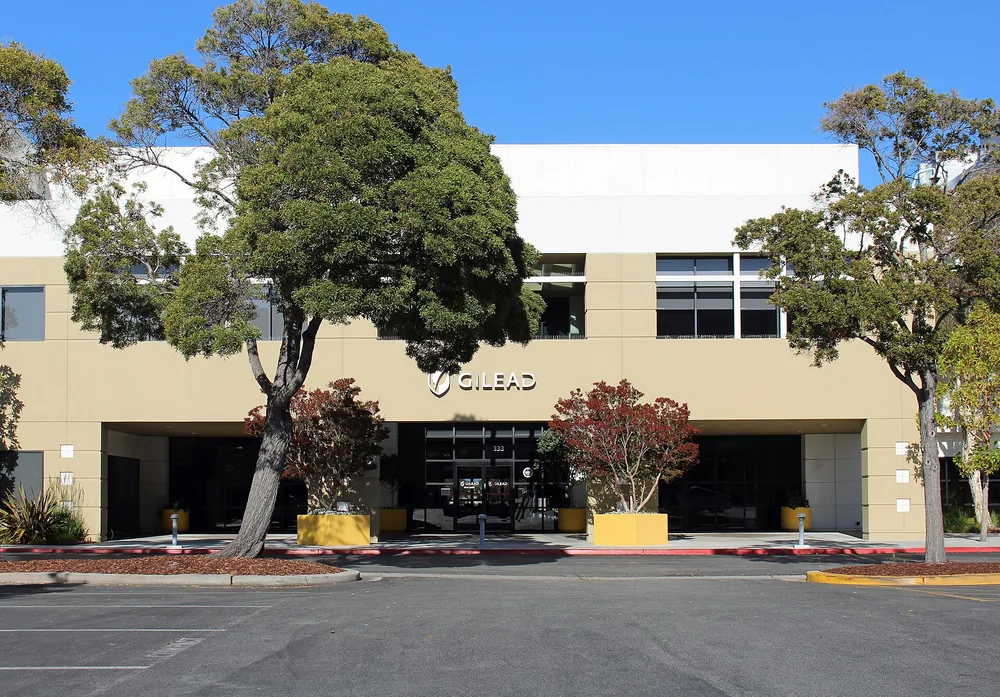
Gilead Sciences was founded in 1987 by Michael Riordan as Oligogen and is based in Foster City, California. It concentrates on antiviral medicines for HIV, hepatitis B and C, influenza and COVID-19. It discovered the influenza drug Tamiflu, licensed to Roche.
HIV medicines are central to its range, and Truvada was approved in 2012 to prevent infection as well as treat it. The 2011 purchase of Pharmasset brought in the hepatitis C drug Sovaldi. Buying Kite Pharma in 2017 took it into cell therapy.
Novo Nordisk
Listing symbol: NVO ·
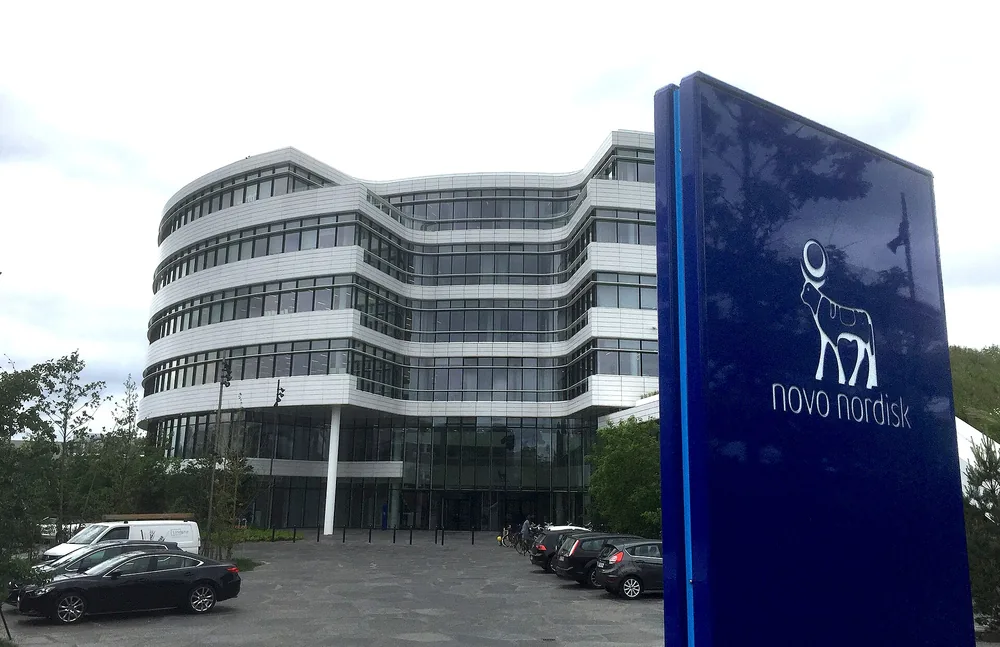
Novo Nordisk traces its origins to two Danish insulin producers founded in the 1920s, Nordisk Insulinlaboratorium and Novo Terapeutisk Laboratorium. They merged in 1989 to form the world’s largest producer of insulin, with headquarters in Bagsværd, near Copenhagen.
Diabetes and obesity remain its focus. Its semaglutide medicines, Ozempic and Wegovy, provided 55% of revenue in 2023 and drove most of its recent growth. Novo Holdings, owned by the Novo Nordisk Foundation, controls the company with 77% of the voting shares.
The ranking continues: 11–100
CompaniesMarketCap · ranking and methodology
- Market capitalisation: US$166,601,457,664.00
- Market capitalisation: US$126,776,647,680.00
- Market capitalisation: US$120,949,129,216.00
- Market capitalisation: US$115,951,460,352.00
- Market capitalisation: US$95,880,028,160.00
- Market capitalisation: US$95,198,543,872.00
- Market capitalisation: US$89,440,821,248.00
- Market capitalisation: US$79,978,012,672.00
- Market capitalisation: US$78,112,635,538.00
- Market capitalisation: US$68,740,926,542.00
- Market capitalisation: US$62,719,078,196.00
- Market capitalisation: US$61,682,223,048.00
- Market capitalisation: US$60,601,032,704.00
- Market capitalisation: US$51,490,484,224.00
- Market capitalisation: US$49,334,657,679.00
- Market capitalisation: US$48,914,111,914.00
- Market capitalisation: US$47,941,144,690.00
- Market capitalisation: US$47,899,635,712.00
- Market capitalisation: US$45,153,248,354.00
- Market capitalisation: US$44,042,448,914.00
- Market capitalisation: US$42,391,885,029.00
- Market capitalisation: US$41,408,724,992.00
- Market capitalisation: US$40,030,015,488.00
- Market capitalisation: US$38,212,405,933.00
- Market capitalisation: US$37,999,119,055.00
- Market capitalisation: US$34,427,420,672.00
- Market capitalisation: US$34,040,287,232.00
- Market capitalisation: US$31,214,911,488.00
- Market capitalisation: US$30,580,337,773.00
- Market capitalisation: US$30,008,033,280.00
- Market capitalisation: US$29,862,378,620.00
- Market capitalisation: US$26,412,726,272.00
- Market capitalisation: US$25,709,512,704.00
- Market capitalisation: US$25,595,735,235.00
- Market capitalisation: US$25,418,342,400.00
- Market capitalisation: US$25,176,823,519.00
- Market capitalisation: US$24,215,879,680.00
- Market capitalisation: US$23,622,759,174.00
- Market capitalisation: US$23,251,472,384.00
- Market capitalisation: US$22,668,382,208.00
- Market capitalisation: US$22,548,097,024.00
- Market capitalisation: US$22,301,923,328.00
- Market capitalisation: US$21,256,163,328.00
- Market capitalisation: US$20,129,054,720.00
- Market capitalisation: US$19,575,534,618.00
- Market capitalisation: US$18,310,751,629.00
- Market capitalisation: US$17,187,301,376.00
- Market capitalisation: US$15,298,172,167.00
- Market capitalisation: US$15,156,259,153.00
- Market capitalisation: US$15,036,632,064.00
- Market capitalisation: US$14,980,165,883.00
- Market capitalisation: US$14,951,245,824.00
- Market capitalisation: US$13,984,745,322.00
- Market capitalisation: US$13,763,299,328.00
- Market capitalisation: US$13,642,447,872.00
- Market capitalisation: US$13,488,192,216.00
- Market capitalisation: US$13,370,386,004.00
- Market capitalisation: US$13,252,026,368.00
- Market capitalisation: US$13,006,270,464.00
- Market capitalisation: US$12,803,047,803.00
- Market capitalisation: US$12,782,726,144.00
- Market capitalisation: US$12,633,460,736.00
- Market capitalisation: US$12,624,937,984.00
- Market capitalisation: US$12,283,008,650.00
- Market capitalisation: US$12,046,019,584.00
- Market capitalisation: US$11,792,016,409.00
- Market capitalisation: US$11,715,951,741.00
- Market capitalisation: US$11,659,771,361.00
- Market capitalisation: US$11,567,814,955.00
- Market capitalisation: US$11,372,457,984.00
- Market capitalisation: US$11,266,471,936.00
- Market capitalisation: US$11,162,777,812.00
- Market capitalisation: US$11,138,284,685.00
- Market capitalisation: US$10,669,785,088.00
- Market capitalisation: US$10,608,109,568.00
- Market capitalisation: US$10,603,340,800.00
- Market capitalisation: US$10,591,046,656.00
- Market capitalisation: US$10,518,875,136.00
- Market capitalisation: US$10,223,142,912.00
- Market capitalisation: US$10,056,716,248.00
- Market capitalisation: US$9,909,676,391.00
- Market capitalisation: US$9,845,009,408.00
- Market capitalisation: US$9,831,591,928.00
- Market capitalisation: US$9,710,193,664.00
- Market capitalisation: US$9,388,047,215.00
- Market capitalisation: US$9,293,208,379.00
- Market capitalisation: US$9,059,789,605.00
- Market capitalisation: US$9,012,787,200.00
- Market capitalisation: US$8,797,402,112.00
- Market capitalisation: US$8,792,345,600.00
There is always a story.
These market values combine today’s medicines with expectations for tomorrow’s. They show which companies investors valued most highly on 14 October 2026. That is a different question from which medicines matter most to patients.