An insurer is paid before it knows what its promises will cost. Customers pay premiums now; claims arrive later, sometimes years later. In the meantime the company invests the money, and the balance between premiums, claims and investment returns decides whether the business makes a profit.
This ranking uses CompaniesMarketCap’s insurance category on 14 October 2026. It includes health insurers, life insurers, property and casualty insurers and specialist groups. They are ordered by the market value of their shares, which is a different thing from the size of the cover they write.
A health insurer leads this snapshot
The company at number one, UnitedHealth, combines US health insurance with healthcare services. Health insurance works differently from car or home cover: claims are frequent and expected, and margins depend on how medical costs are managed. A ranking by market value places it beside insurers whose business looks quite different.
The money managed is not the value
Many large insurers hold investments worth far more than their market capitalisation, because much of that money is set aside to pay future claims. Those assets sit on the balance sheet beside matching liabilities. A market-value ranking measures the shareholders’ claim, which is much smaller than the investments such an insurer manages.
Catastrophes and interest rates
Insurers are exposed to events they cannot control, from storms and floods to pandemics, and to changes in interest rates that alter the return on their investments. A single bad year of claims can reduce profits sharply. The values in this table record how investors weighed those risks on the day of capture.
What this snapshot shows
UnitedHealth leads this captured list at approximately US$353.4bn. The entry at number 100, Beazley, is approximately US$10.28bn. The first ten account for 35.8% of the sum of the hundred reported values. That share is calculated within this list; it is not a share of the whole insurance industry.
The first ten
UnitedHealth
Listing symbol: UNH ·

UnitedHealth Group grew from Charter Med, a Minnesota business founded in 1974 to process doctors’ claims. UnitedHealthcare Corporation was formed in 1977 to buy it, went public in 1984 and became UnitedHealth Group in 1998.
It is now the largest health insurer in the United States. UnitedHealthcare provides health plans for employers, individuals, older people and state programmes. Optum provides care, pharmacy and data services. The group has also faced investigations and lawsuits over billing and claims.
Allianz SE
Listing symbol: ALV.DE ·
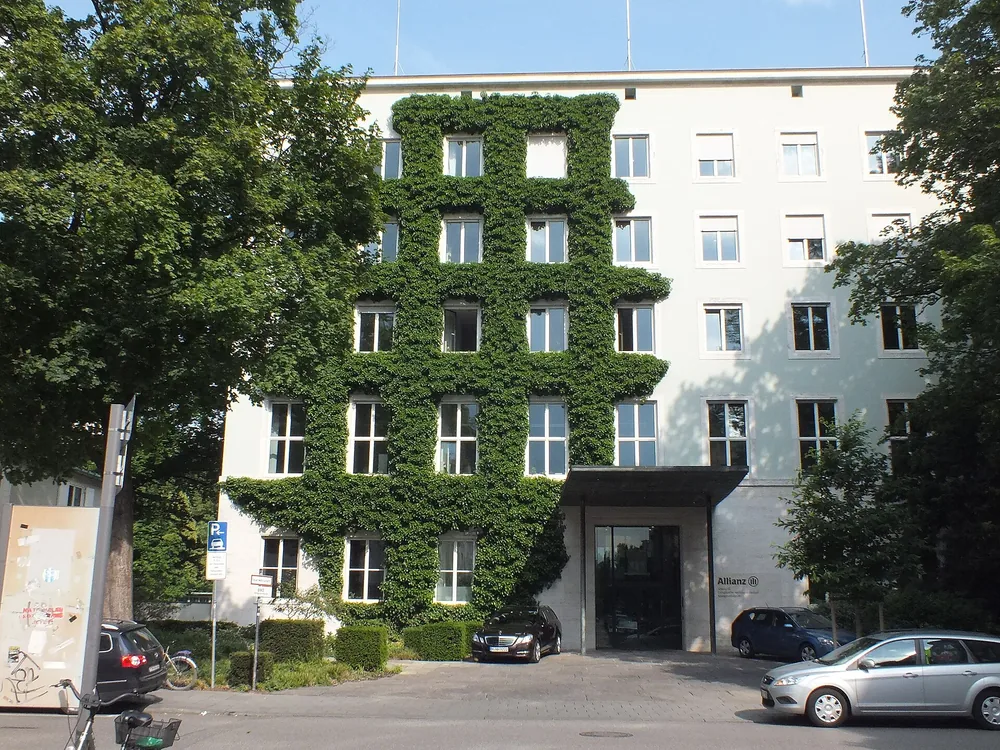
Allianz was founded in 1889 and began business in Berlin in 1890, selling marine and accident insurance. Fire, motor and life cover followed. After the Second World War it moved its headquarters to Munich, and later acquisitions in the United States and France widened its reach.
Its core businesses are insurance and asset management. Alongside its insurers, Allianz owns the fund managers PIMCO and Allianz Global Investors, which manage money for outside clients as well as for the group. It is one of the world’s largest insurers.
China Life Insurance
Listing symbol: 601628.SS ·
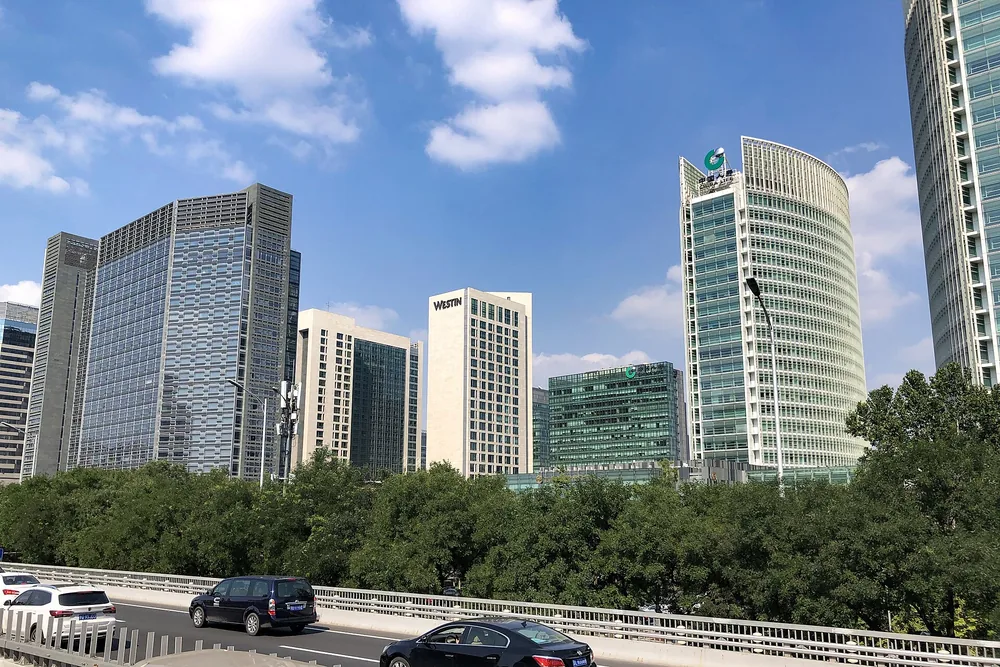
China Life Insurance Company was established in Beijing in 2003. It listed in Hong Kong and New York that December and added Shanghai shares in 2007. It withdrew its New York listing in 2022.
Its controlling shareholder is the state-owned China Life Insurance (Group) Company. The company sells life, health, accident and annuity products and is China’s largest life insurer by market share. It also holds majority stakes in China Life Asset Management and China Life Pension.
Ping An Insurance
Listing symbol: 601318.SS ·
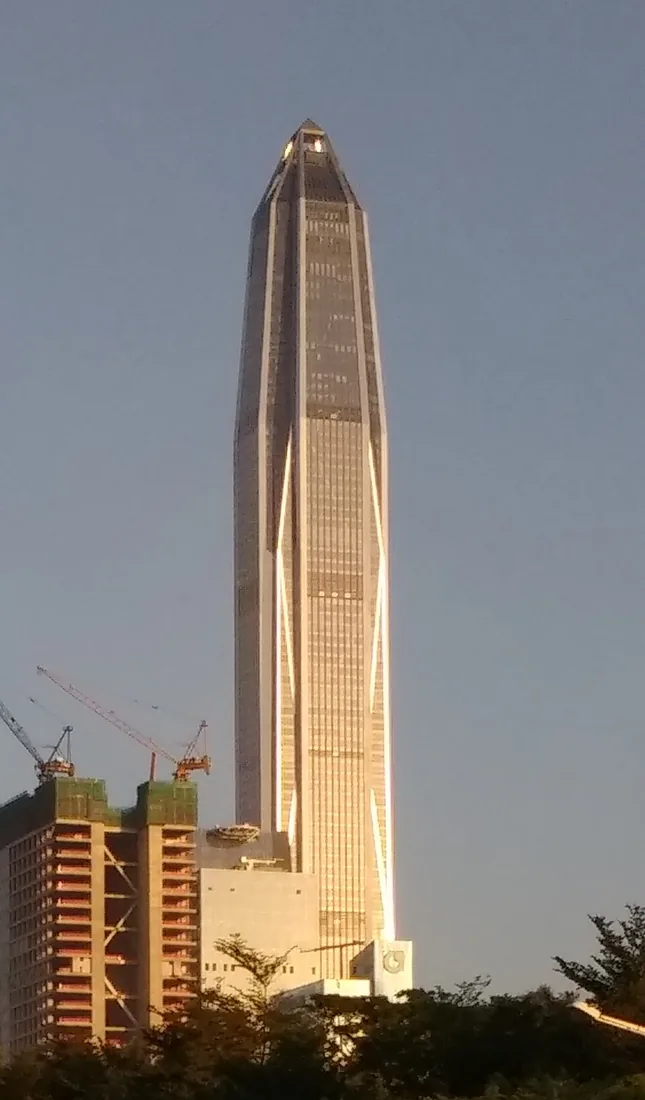
Ping An was founded in Shenzhen in 1988 as a property and casualty insurer; its name means ‘safe and well’. It later diversified into life insurance, banking, asset management and other financial services.
Today the group combines insurance with Ping An Bank and technology businesses such as the fintech company OneConnect. It has also built a healthcare network of partner hospitals, doctors and pharmacies in China. Its headquarters are in the Ping An Finance Centre, Shenzhen’s tallest building.
Chubb
Listing symbol: CB ·
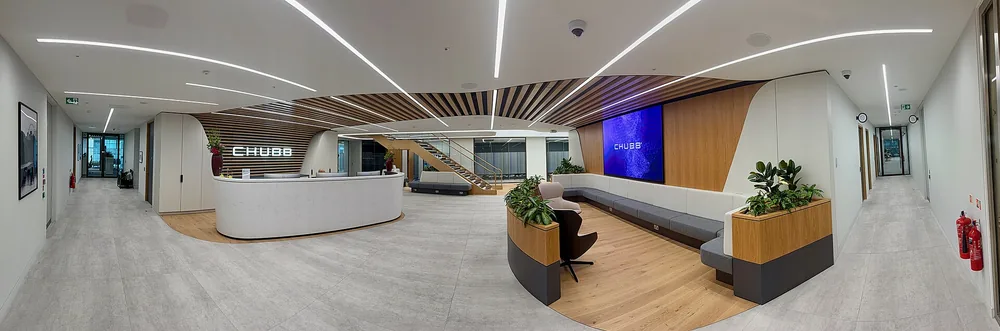
Chubb’s name goes back to a marine underwriting business started in New York in 1882 by Thomas Caldecot Chubb and his son Percy. The present group took shape in 2016, when ACE Limited, a Bermuda-based insurer created in 1985, bought the Chubb Corporation and adopted its name.
Incorporated in Zürich and listed in New York, Chubb is the largest publicly traded property and casualty insurer in the world. It operates in 54 countries and territories. It also writes accident and health insurance, reinsurance and life cover.
Progressive
Listing symbol: PGR ·
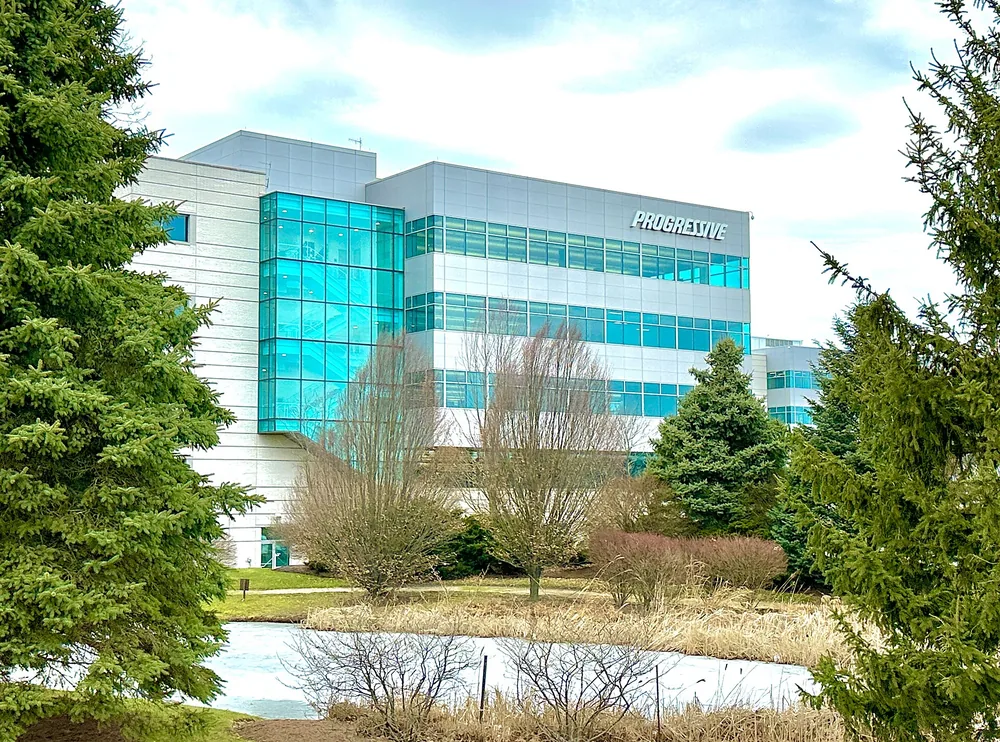
Jack Green and Joseph M. Lewis founded Progressive in Cleveland, Ohio, in 1937. In 1956 it found a niche insuring higher-risk drivers. Peter B. Lewis, a co-founder’s son, led a buyout in 1965, and the company went public in 1971.
Car insurance remains its core business, alongside cover for motorcycles, boats and commercial vehicles. It sells online, by phone and through independent agents. Its Snapshot programme uses driving data to set discounts. It is one of the largest car insurers in the United States.
Zurich Insurance Group
Listing symbol: ZURN.SW ·
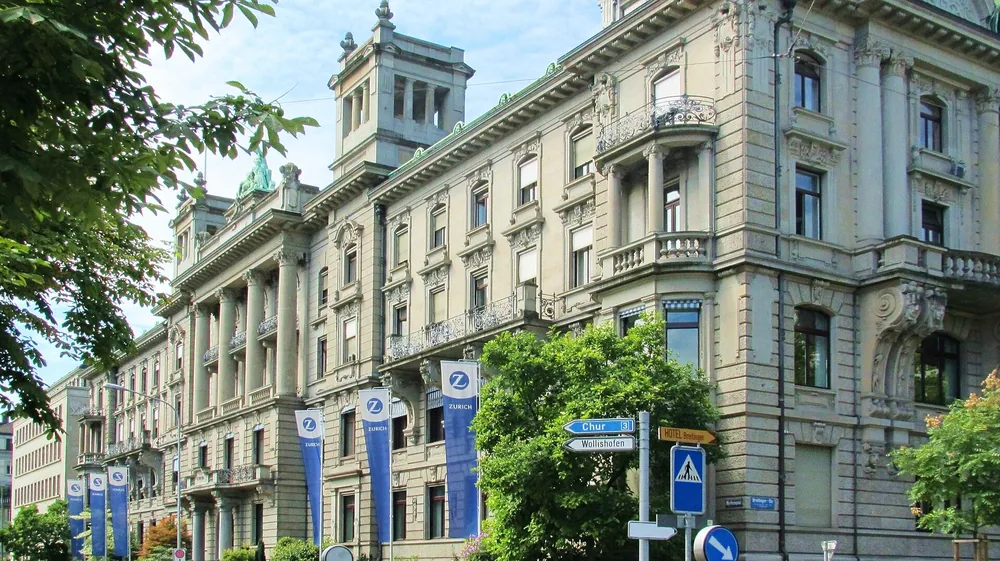
Zurich was founded in 1872 as a reinsurer, at the request of a Swiss marine insurance company. It soon moved into accident and liability insurance, gained licences across much of Europe in the 1890s and entered the United States in 1912.
Now Switzerland’s largest insurer, it is organised into general insurance, life insurance and Farmers. It has customers in more than 200 countries and territories. Through Farmers it provides management services to the US Farmers Exchanges, which it does not own.
AXA
Listing symbol: CS.PA ·
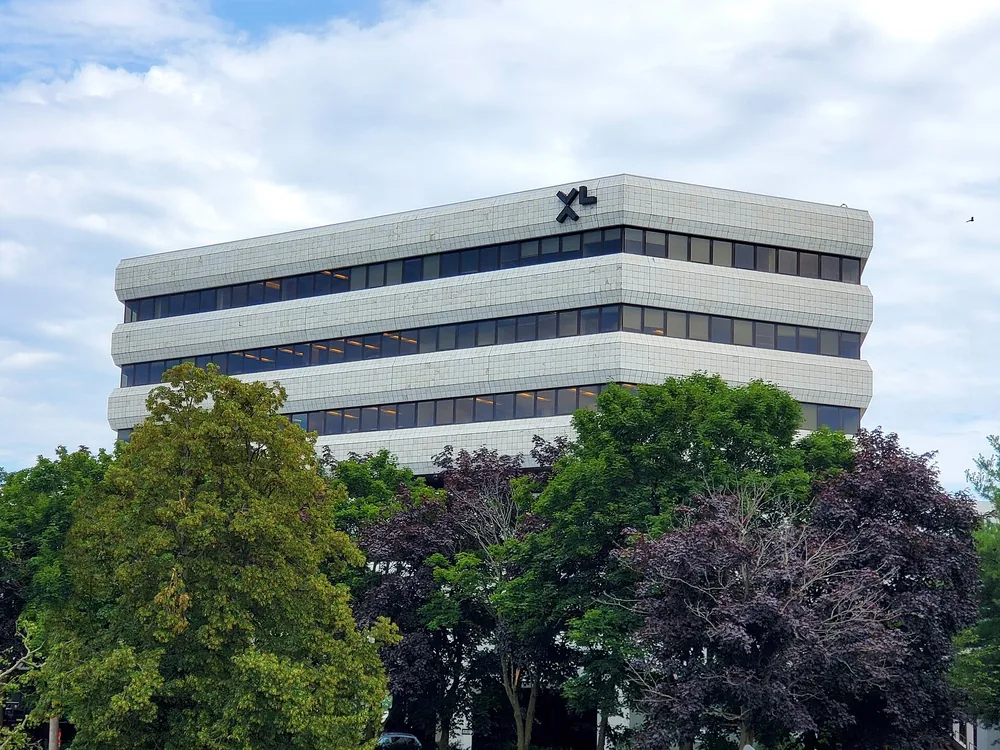
AXA grew from a mutual fire insurer founded in Rouen in 1817. In the 1980s Claude Bébéar turned the regional mutual group into France’s largest private insurer, and the AXA name was adopted in 1985. Deals involving The Equitable, UAP and Winterthur then made it global.
Since 2016, under chief executive Thomas Buberl, AXA has moved away from capital-intensive savings products. It now leans towards property and casualty, commercial and health insurance. Its purchase of XL Group in 2018 marked that change.
AIA
Listing symbol: 1299.HK ·
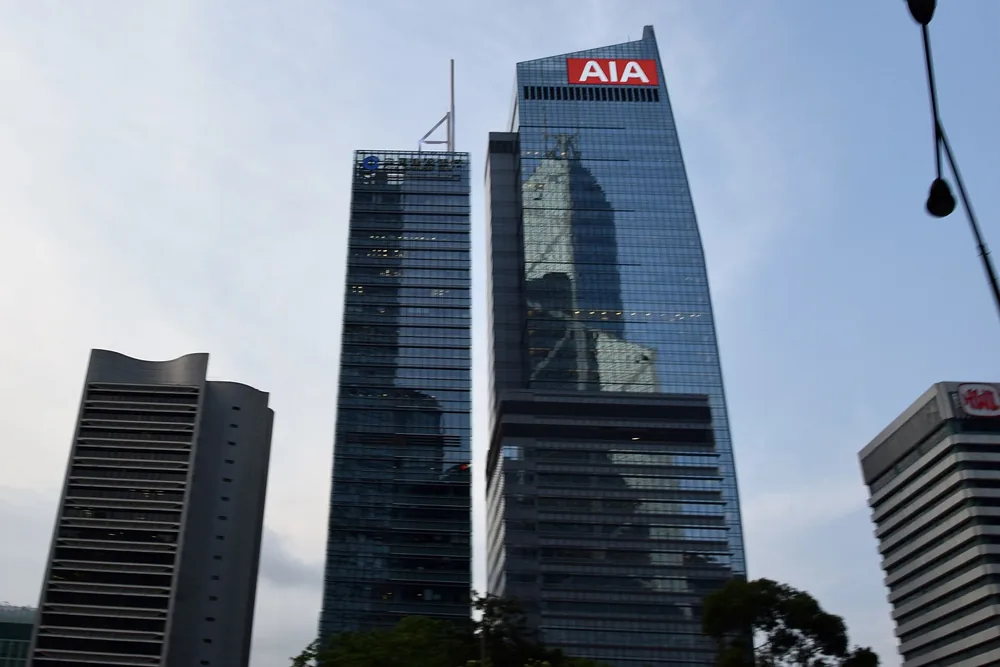
AIA traces its origins to an insurance business founded in Shanghai in 1919 by the American Cornelius Vander Starr. That business also became the founding member of AIG. After the communist takeover of mainland China, its headquarters moved to Hong Kong.
AIG floated AIA in Hong Kong in 2010 to help repay its US government rescue. The group now sells life, accident and health insurance and retirement savings products in 18 markets across Asia-Pacific. It serves the holders of more than 43 million individual policies.
Tokio Marine
Listing symbol: 8766.T ·
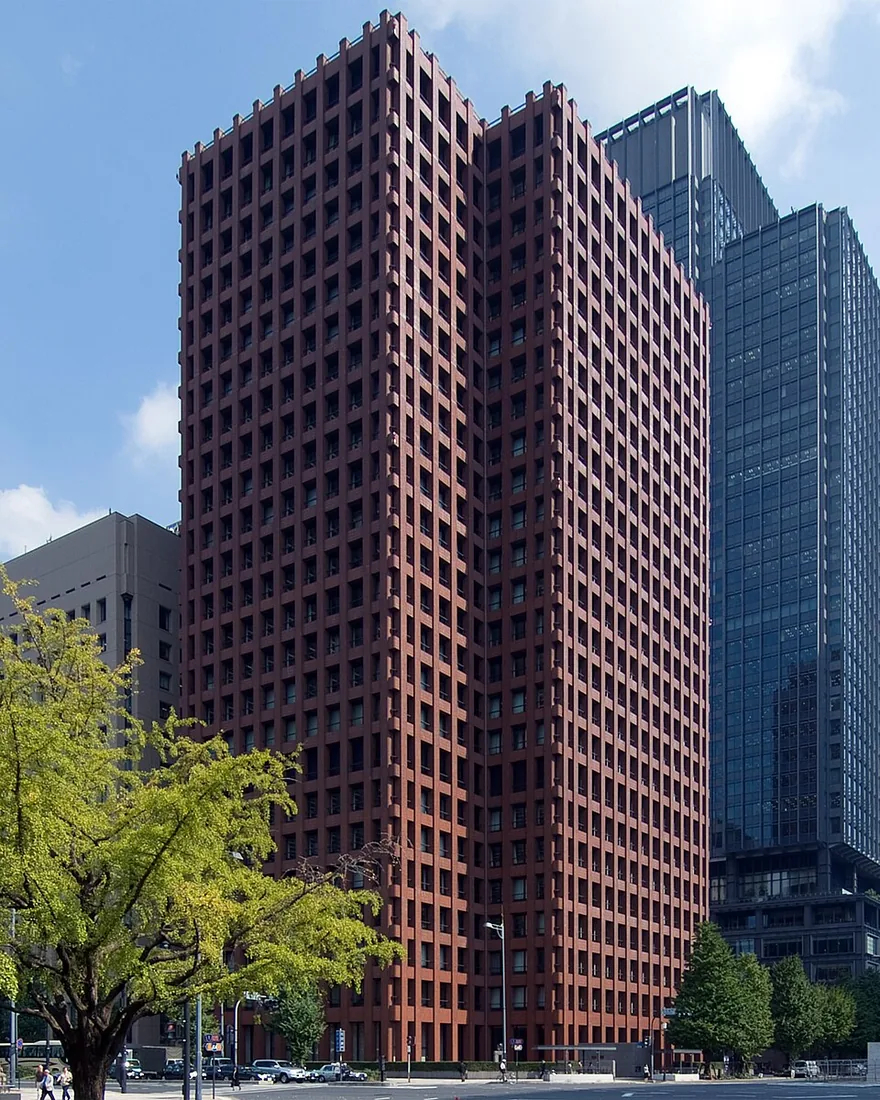
Tokio Marine dates from 1879, when Tokio Marine Insurance, Japan’s oldest insurer, was founded. The holding company was created in 2002 as Millea Holdings to bring Tokio Marine and Nichido Fire together. It took the Tokio Marine name in 2008.
It is Japan’s largest property and casualty insurance group by revenue and also runs life insurance businesses. Purchases in the United States, including Philadelphia Insurance, Delphi Financial and HCC Insurance, have built a sizeable business outside Japan.
The ranking continues: 11–100
CompaniesMarketCap · ranking and methodology
- Market capitalisation: US$92,251,865,088.00
- Market capitalisation: US$85,249,024,000.00
- Market capitalisation: US$78,672,412,672.00
- Market capitalisation: US$76,513,476,608.00
- Market capitalisation: US$74,773,748,239.00
- Market capitalisation: US$71,258,824,704.00
- Market capitalisation: US$70,633,082,344.00
- Market capitalisation: US$63,204,536,320.00
- Market capitalisation: US$60,851,503,104.00
- Market capitalisation: US$59,596,091,392.00
- Market capitalisation: US$58,612,379,648.00
- Market capitalisation: US$56,613,093,376.00
- Market capitalisation: US$56,478,327,310.00
- Market capitalisation: US$52,039,518,674.00
- Market capitalisation: US$51,847,052,562.00
- Market capitalisation: US$51,418,984,448.00
- Market capitalisation: US$50,528,857,801.00
- Market capitalisation: US$44,675,090,305.00
- Market capitalisation: US$43,328,294,912.00
- Market capitalisation: US$42,183,502,200.00
- Market capitalisation: US$41,183,229,816.00
- Market capitalisation: US$40,545,136,640.00
- Market capitalisation: US$39,002,251,264.00
- Market capitalisation: US$37,468,155,505.00
- Market capitalisation: US$36,064,927,169.00
- Market capitalisation: US$35,775,191,924.00
- Market capitalisation: US$35,719,888,896.00
- Market capitalisation: US$35,648,549,933.00
- Market capitalisation: US$34,505,551,872.00
- Market capitalisation: US$33,298,651,136.00
- Market capitalisation: US$33,016,472,341.00
- Market capitalisation: US$30,336,224,054.00
- Market capitalisation: US$30,292,068,720.00
- Market capitalisation: US$29,215,092,736.00
- Market capitalisation: US$27,710,199,808.00
- Market capitalisation: US$27,419,142,608.00
- Market capitalisation: US$27,389,165,568.00
- Market capitalisation: US$26,277,643,325.00
- Market capitalisation: US$26,208,307,655.00
- Market capitalisation: US$26,193,496,195.00
- Market capitalisation: US$25,546,420,224.00
- Market capitalisation: US$24,866,052,203.00
- Market capitalisation: US$24,401,735,529.00
- Market capitalisation: US$22,855,669,760.00
- Market capitalisation: US$22,215,815,168.00
- Market capitalisation: US$22,054,733,399.00
- Market capitalisation: US$21,676,058,624.00
- Market capitalisation: US$20,726,061,706.00
- Market capitalisation: US$18,453,449,133.00
- Market capitalisation: US$17,401,988,971.00
- Market capitalisation: US$17,157,832,932.00
- Market capitalisation: US$17,112,627,200.00
- Market capitalisation: US$16,451,835,402.00
- Market capitalisation: US$16,113,255,239.00
- Market capitalisation: US$16,085,113,625.00
- Market capitalisation: US$15,720,983,707.00
- Market capitalisation: US$15,149,579,264.00
- Market capitalisation: US$14,732,739,597.00
- Market capitalisation: US$14,474,146,940.00
- Market capitalisation: US$14,470,032,384.00
- Market capitalisation: US$14,393,480,192.00
- Market capitalisation: US$14,392,486,912.00
- Market capitalisation: US$14,348,002,562.00
- Market capitalisation: US$14,328,811,032.00
- Market capitalisation: US$14,185,816,064.00
- Market capitalisation: US$14,091,206,825.00
- Market capitalisation: US$13,617,305,600.00
- Market capitalisation: US$13,579,612,586.00
- Market capitalisation: US$13,519,557,990.00
- Market capitalisation: US$13,414,521,056.00
- Market capitalisation: US$13,338,709,058.00
- Market capitalisation: US$12,971,699,287.00
- Market capitalisation: US$12,830,784,512.00
- Market capitalisation: US$12,753,422,336.00
- Market capitalisation: US$12,526,009,987.00
- Market capitalisation: US$12,420,678,449.00
- Market capitalisation: US$12,187,722,752.00
- Market capitalisation: US$12,067,560,448.00
- Market capitalisation: US$12,026,146,816.00
- Market capitalisation: US$11,565,529,795.00
- Market capitalisation: US$10,965,132,288.00
- Market capitalisation: US$10,904,071,109.00
- Market capitalisation: US$10,835,492,864.00
- Market capitalisation: US$10,574,423,600.00
- Market capitalisation: US$10,526,568,448.00
- Market capitalisation: US$10,487,756,800.00
- Market capitalisation: US$10,465,774,298.00
- Market capitalisation: US$10,460,399,500.00
- Market capitalisation: US$10,432,668,584.00
- Market capitalisation: US$10,284,596,391.00
There is always a story.
Insurance is a business of promises, priced in advance and settled later. These hundred market values show how investors valued the companies making those promises on 14 October 2026, which is different from measuring the cover they provide.