France’s 1,800 richest households face the Zucman tax again
A 2 per cent minimum tax on fortunes above €100mn has lost in parliament twice and wins in every poll. On 16 September the Socialists put it back on the table for the 2027 budget.
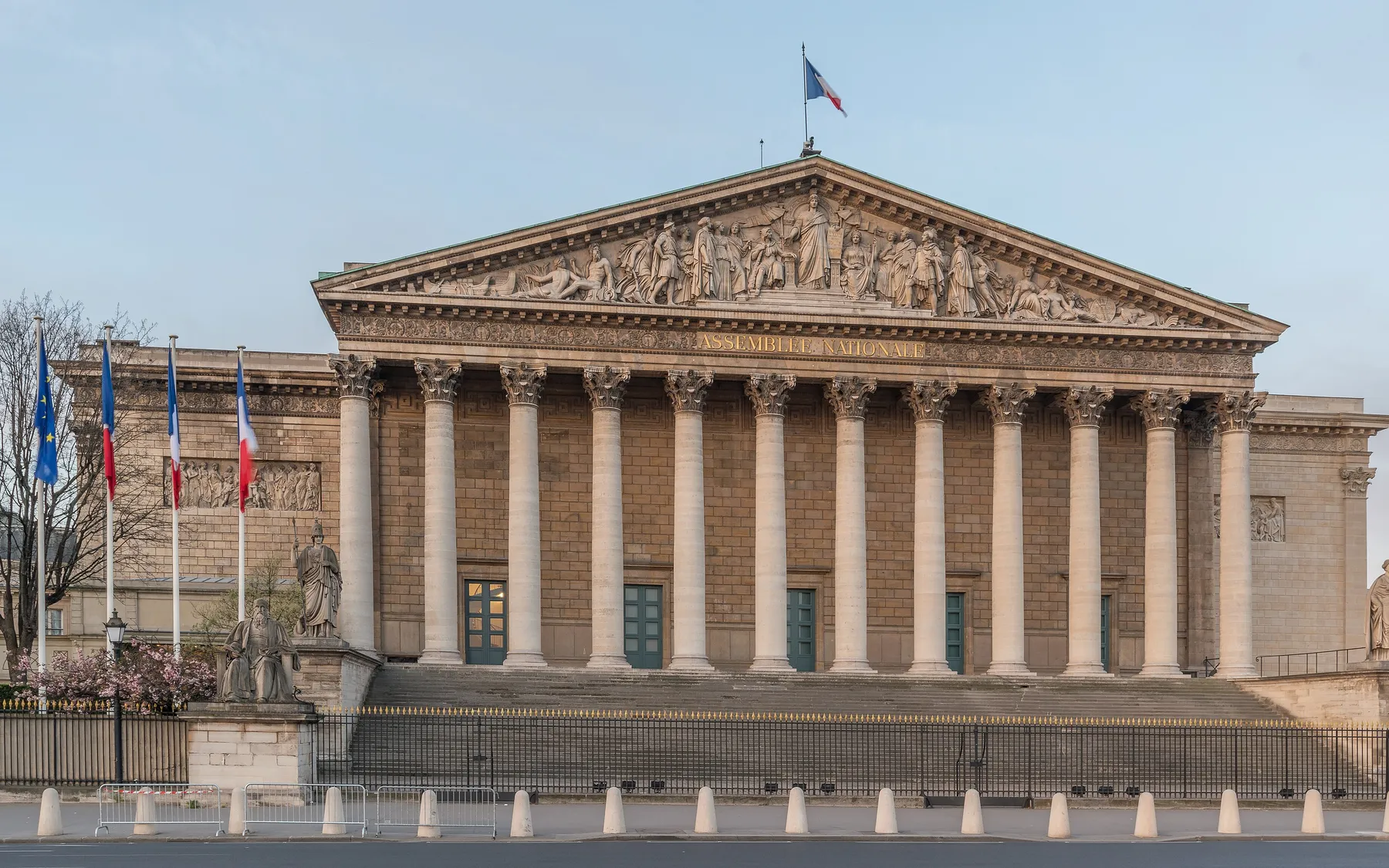
On 16 September Boris Vallaud, who leads the Socialist group in France’s National Assembly, presented his party’s alternative to the 2027 budget. At the top of the list, again, was the Zucman tax.
The proposal, named after the economist Gabriel Zucman, is a minimum tax of 2 per cent a year on net wealth above €100mn. It is a floor rather than a new levy: a household would pay the difference between 2 per cent of its fortune and what it already pays in income tax, social charges and the tax on high-value property.
The Socialists put the yield at €15bn a year.
About 1,800 households would be affected. That is the whole point, and the whole problem.
Popular, and defeated
The tax has an unusual record. The National Assembly adopted it on first reading in February 2025. The Senate threw it out in June.
In October 2025, during the fraught debate over the 2026 budget, deputies rejected it again, along with a Socialist variant that would have taxed fortunes above €10mn at 3 per cent.
The polls point the other way. Surveys since the summer of 2025 have shown around 80 per cent of voters in favour, including large majorities of those who back President Macron’s camp, the conservative right and the far right.
Few fiscal measures in France command that kind of agreement. Fewer still are so reliably defeated.
Who the 1,800 are
France’s largest fortunes are mostly held as stakes in family companies: luxury houses, cosmetics, defence, retail. That is why opponents argue the tax would force owners to sell shares, or borrow against them, to pay a bill on assets that produce no cash of their own.
Bernard Arnault called it “deadly for our economy” when it was first debated. Gérard Larcher, president of the Senate, has described it as unconstitutional and predicted a wave of tax exile. The revived text answers that with an anti-exile clause: people who have been resident for ten years or more would remain liable after leaving.
Supporters reply that 2 per cent is less than the long-run return on large fortunes, so the tax slows their growth rather than shrinking them, and that the richest French households currently pay a lower effective rate than many salaried workers.
The calendar
The Socialists’ counter-budget will not become law as written. Prime Minister Sébastien Lecornu’s minority government has argued for spending restraint, and the centre-right Senate has not changed its mind.
But the government has relied on Socialist abstentions to survive censure votes, which gives the idea leverage it would not otherwise have.
Behind that sits a larger date. France chooses a new president in the spring of 2027. A tax that 80 per cent of voters say they want, and that affects 1,800 households, is unlikely to be absent from the campaign.
Sources
- Franceinfo: the Socialists’ counter-budget brings back the Zucman tax
- Kohen Avocats: what the relaunched Zucman text actually says (September 2026)
- LCP: the Zucman tax at the centre of the budget equation
- France 24: National Assembly rejects proposals for taxing the ultra-wealthy (31 Oct 2025)
- Euronews: Bernard Arnault calls the wealth tax “deadly for our economy”
- Wikipédia: Taxe Zucman
Cover image: DXR, Wikimedia Commons, Public domain. Cropped.

More from OutBragger
View all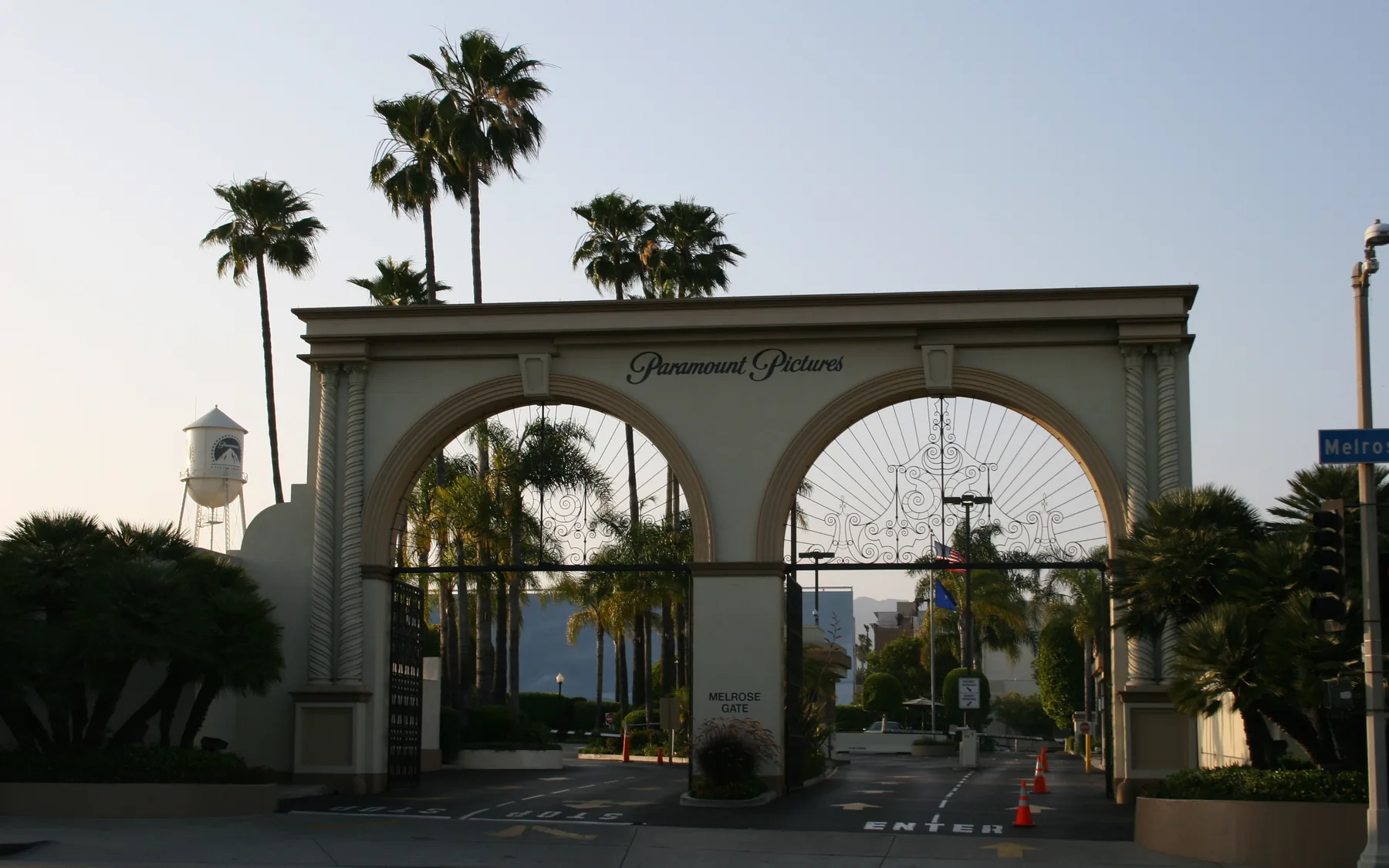 OB / 01
Paramount’s new owners inherited a $400mn tax argument from Viacom
The IRS has proposed up to $400mn in extra tax on Viacom’s returns for 2017 to 2019. Paramount Skydance says it disagrees and will book any change in its third-quarter results.
 OB / 02
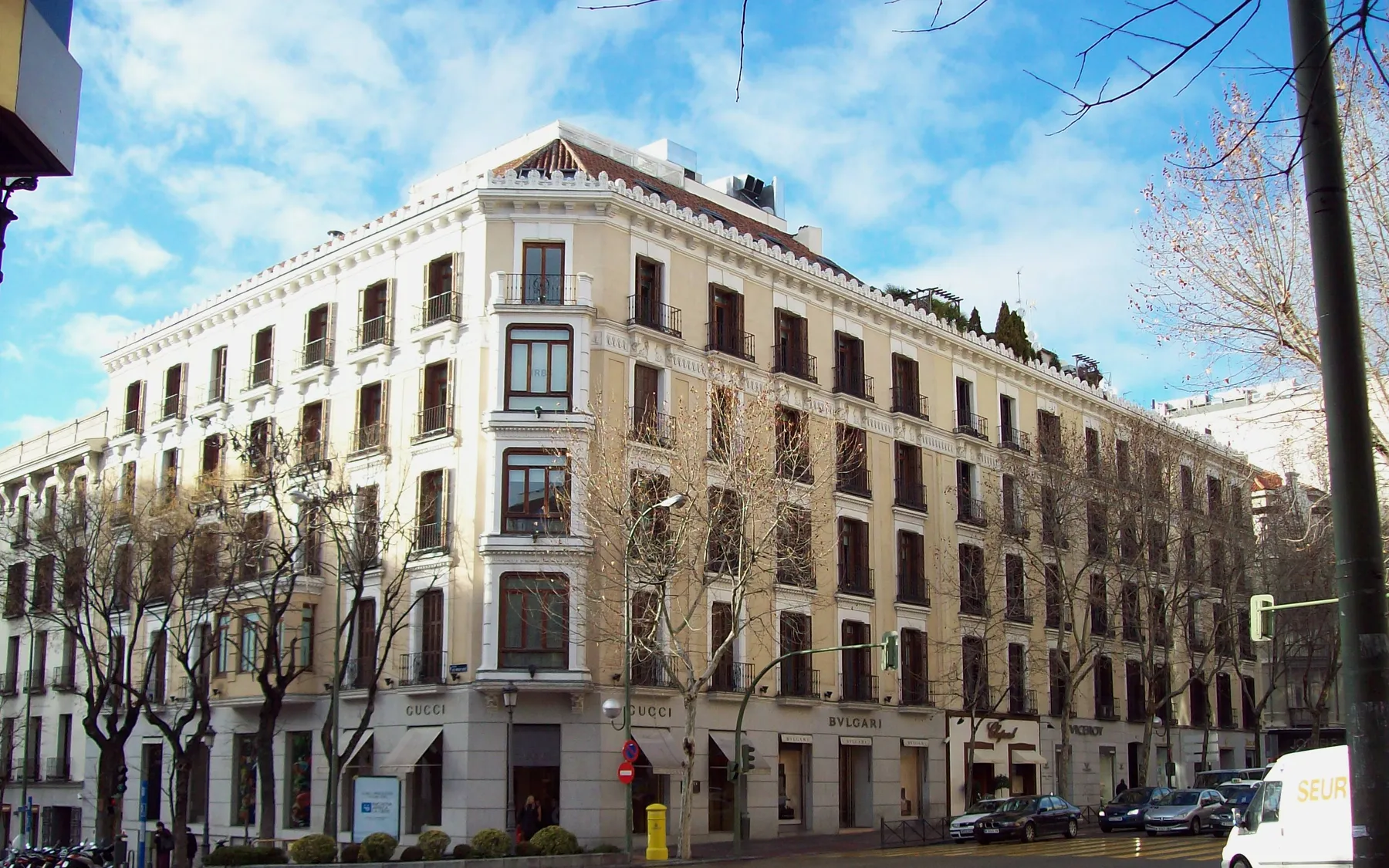
Madrid scrapped its wealth tax. Its millionaires paid it €643mn anyway
Spain’s wealth tax raised a record €2.15bn in 2024, and the number of people declaring more than €30mn has doubled since 2013. The region famous for not charging it has become one of its biggest collectors.
 OB / 03
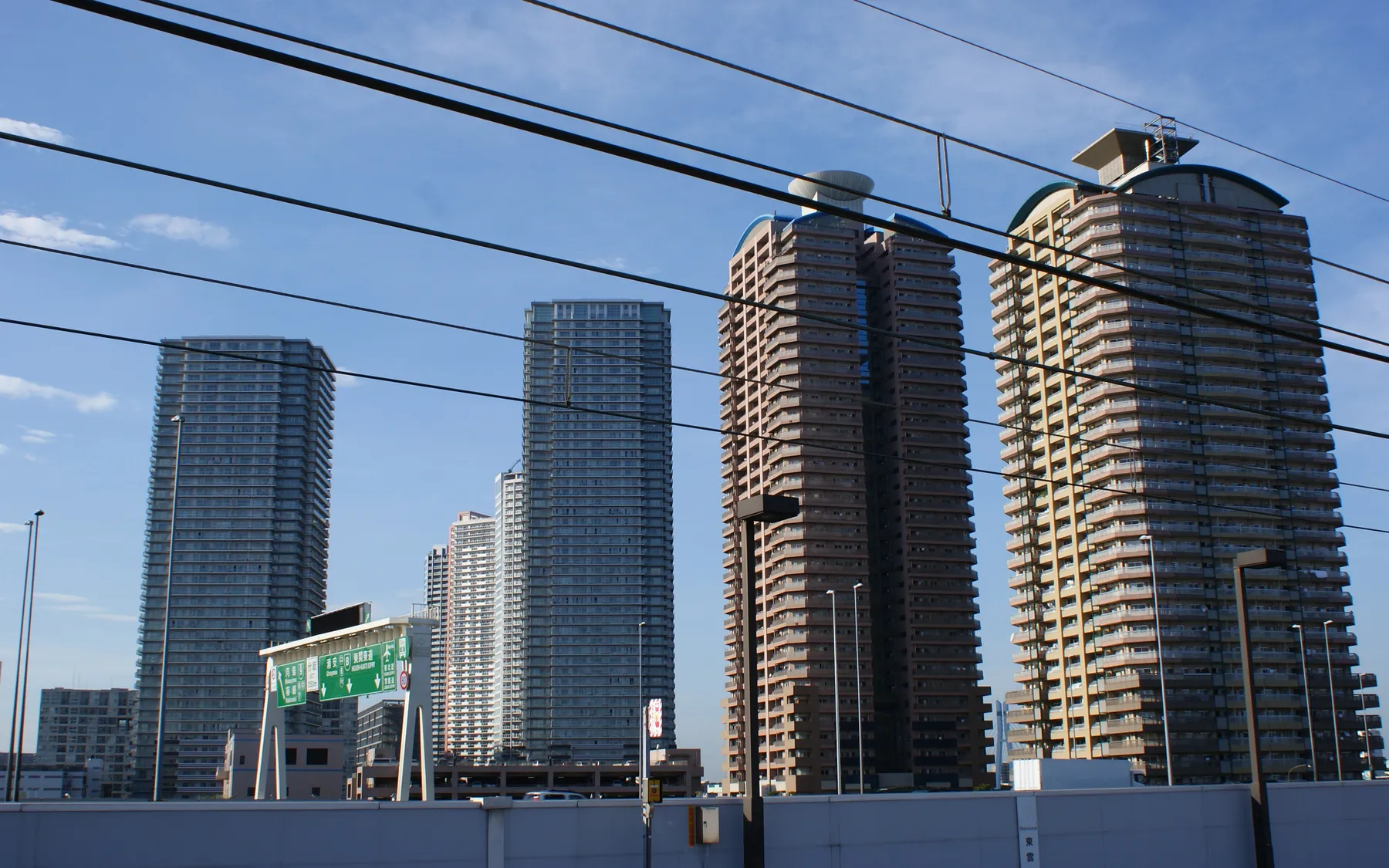
Tokyo’s ¥100mn flat has become ordinary. Look at the builders before the foreigners
New flats now average more than ¥100mn in 19 of Tokyo’s 23 wards. The buyers are mostly Japanese, and the cause is a building industry that can no longer build very much.
Discussion
Join this article’s en edition thread. Replies in other language editions stay separate.