Six figures to walk in: 2026 repriced the world’s scarcest seats
The Met Gala broke $100,000 a ticket, Wimbledon’s best seats cost £116,000 for five years, and FIFA let the price of the World Cup final float. The people who run exclusive events have stopped leaving money on the table.
For most of its history, the price of getting into the Met Gala was an awkward number that nobody much discussed. In May it became a headline. Tickets for the 2026 gala cost $100,000 each, up from $75,000 a year earlier, the first six-figure ticket in the event’s history. A table started at $350,000.
The buyers did not flinch. Amazon, Meta, OpenAI, Snapchat and Shopify all took tables, Fortune reported, and Jeff Bezos and Lauren Sánchez Bezos, the evening’s honorary chairs, were reported to have contributed $10mn. The gala raised a record $42mn for the Costume Institute, against $31mn in 2025, itself a record at the time.
The Met is not alone. This year the organisers of several of the world’s most exclusive events raised the price of being in the room, sharply and in public. The rich have always paid for access. What changed in 2026 is who collects the money.
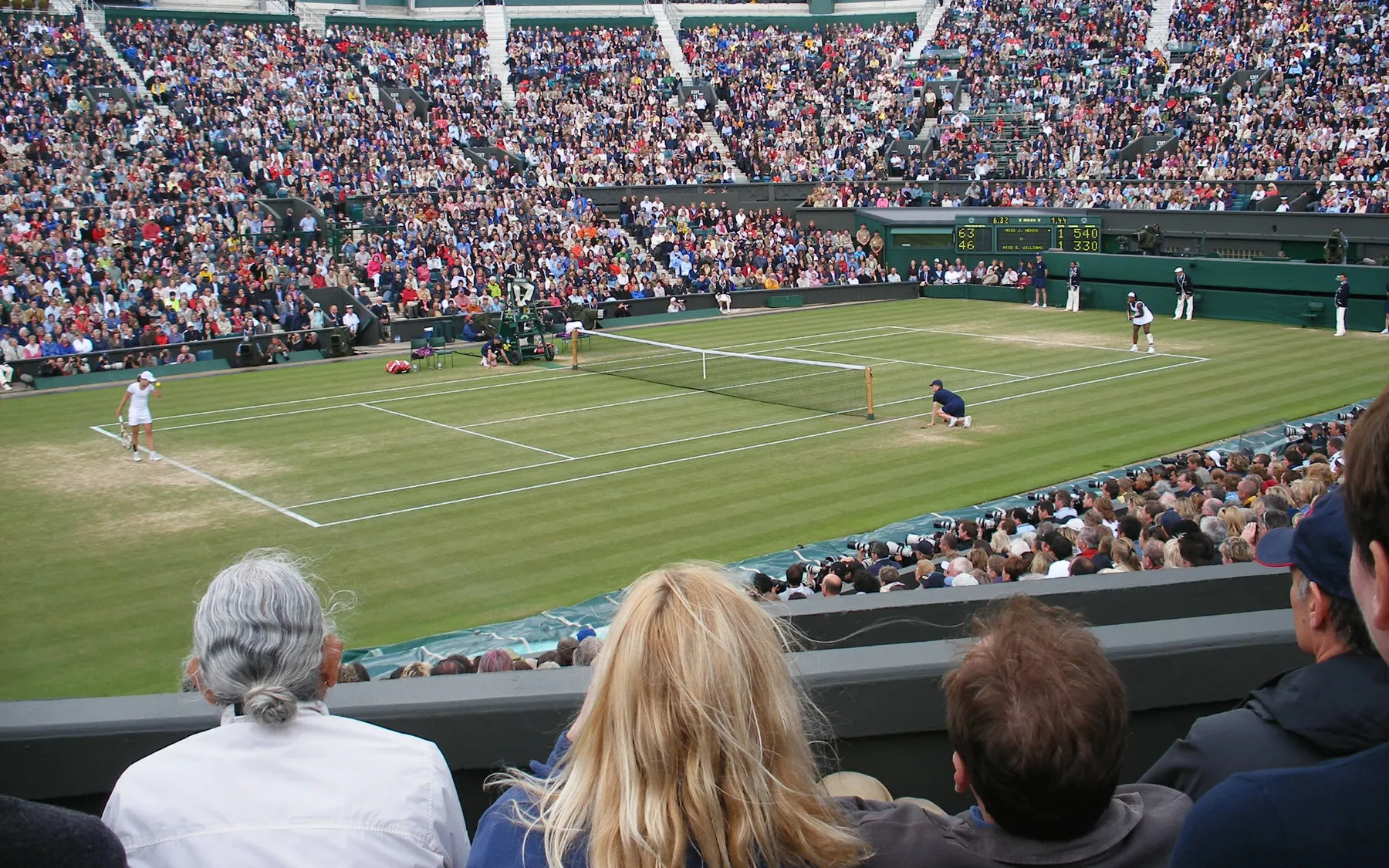
Five years on Centre Court
This summer’s Wimbledon was the first played under a new set of Centre Court debentures, the five-year bonds that entitle their holders to a seat for every day of the Championships. The All England Club issued the 2026–2030 series at £116,000 each, 45 per cent more than the £80,000 charged for the previous cycle. The issue was fully subscribed.
Debentures are an old British device for funding a sports ground: a supporter lends the club money and receives seats in return. They are also, unusually for tickets, tradeable, and the best seats in tennis have long changed hands in a quiet secondary market. By raising the issue price so steeply, the club took a larger share of that value for itself before any of it reached the resale market.
A final with a floating price
FIFA went further. For the World Cup in North America it adopted variable pricing, adjusting face values as demand changed. For the final at MetLife Stadium on 19 July, the top category rose from $8,680 in the December sales phase to $10,990 in April, according to figures reported by AFP. The second category rose from $5,575 to $7,380.
FIFA also ran its own resale platform and took 15 per cent from both buyer and seller on every transaction. Before the final between Spain and Argentina, some seats were listed on that platform at close to $2.3mn each, Al Jazeera reported.
The approach drew protest. Sixty-nine Democratic members of Congress wrote that it “will make the 2026 FWC the most financially exclusionary and inaccessible to date.” Gianni Infantino, FIFA’s president, described the demand as “the request for 1,000 years of World Cups at once.”
Who collects
The three cases differ, but the logic is the same. For decades the gap between what a scarce seat was sold for and what it was worth went to someone else: a tout, a broker, a well-connected friend, a company that bought a table and gave the seats away. The organisers set a price that looked respectable and let the market sort out the rest.
In 2026 they decided to keep more of it. The Met priced its tickets closer to what technology companies were willing to pay for their executives to be photographed on its steps. Wimbledon charged its most devoted supporters something closer to what their seats would fetch. FIFA let the price move until it found its level, then took a fee on the resale as well.
None of this is much of a burden for the people in the room. A $100,000 ticket is a rounding error for a company that spends billions on computing power, and a Centre Court debenture is, for its holders, a five-year asset that can be sold on.
The cost falls on those just outside. The seats that used to reach a fan, a club member or a lucky ballot winner at something like a normal price are fewer each year. The events are as glamorous as ever. They are simply being run, now, as if their organisers had finally read their own guest lists.
Sources
- CBS News: how much a 2026 Met Gala ticket costs
- Fortune: the Met Gala raised a record $42mn as Silicon Valley picked up the tab (5 May 2026)
- WWD: Met Gala 2026 raises a record $42mn
- Wimbledon: Centre Court 2026–2030 debenture issue fully subscribed
- Business Standard: the Wimbledon debenture at £116,000 (30 Jun 2026)
- AFP via Gulf News: FIFA raises top World Cup final price to $10,990 (4 Apr 2026)
- Al Jazeera: World Cup final tickets near the $2.3mn mark on FIFA’s resale platform (18 Jul 2026)
Cover image: Clavecin, Wikimedia Commons, Public domain. Cropped.

More from OutBragger
View all OB / 01
Europe’s great inheritance fights are being settled in Swiss villages and Hong Kong banks
The Agnelli, Delon, Hermès and Wahaha fortunes are all tied up in court. In each case the argument turns on a Swiss address, a Swiss will or a Hong Kong trust.
 OB / 02
Paramount’s new owners inherited a $400mn tax argument from Viacom
The IRS has proposed up to $400mn in extra tax on Viacom’s returns for 2017 to 2019. Paramount Skydance says it disagrees and will book any change in its third-quarter results.
 OB / 03
Madrid scrapped its wealth tax. Its millionaires paid it €643mn anyway
Spain’s wealth tax raised a record €2.15bn in 2024, and the number of people declaring more than €30mn has doubled since 2013. The region famous for not charging it has become one of its biggest collectors.
Discussion
Join this article’s en edition thread. Replies in other language editions stay separate.